
2026 bitcoin rollup limits and technical limits to account for
Bitcoin rollups in 2026 face a unique bottleneck: the lack of native smart contract support on the main chain. Unlike Ethereum, which processes transactions through EVM-compatible execution layers, Bitcoin relies on a conservative scripting language designed for security, not complexity. This fundamental difference forces developers to build rollups that operate outside the base layer, creating a complex web of bridges and sidechains.
The primary challenge is achieving "security finality" without compromising decentralization. In 2026, most rollups use optimistic or zero-knowledge proofs that settle on Bitcoin via wrapped assets or sidechains. This introduces trust assumptions that purists argue undermine Bitcoin’s original value proposition. The trade-off is clear: you gain speed and low fees, but you sacrifice the absolute security of the base layer.
Market sentiment reflects this tension. While Bitcoin Suisse projects significant price appreciation, the infrastructure for rollups remains fragmented. Developers are currently testing various interoperability standards, but no single solution has emerged as the definitive standard. This uncertainty creates both risk and opportunity for early adopters willing to manage the technical landscape.
Bitcoin Rollup 2026: Key Architectural Choices
Choosing a Bitcoin rollup in 2026 requires balancing security guarantees against transaction costs and finality speed. The market is fragmenting into distinct models, each solving the scalability trilemma differently. Understanding these tradeoffs helps you select the right infrastructure for your specific use case, whether that is high-frequency trading or long-term settlement.
Settlement Layer Choice
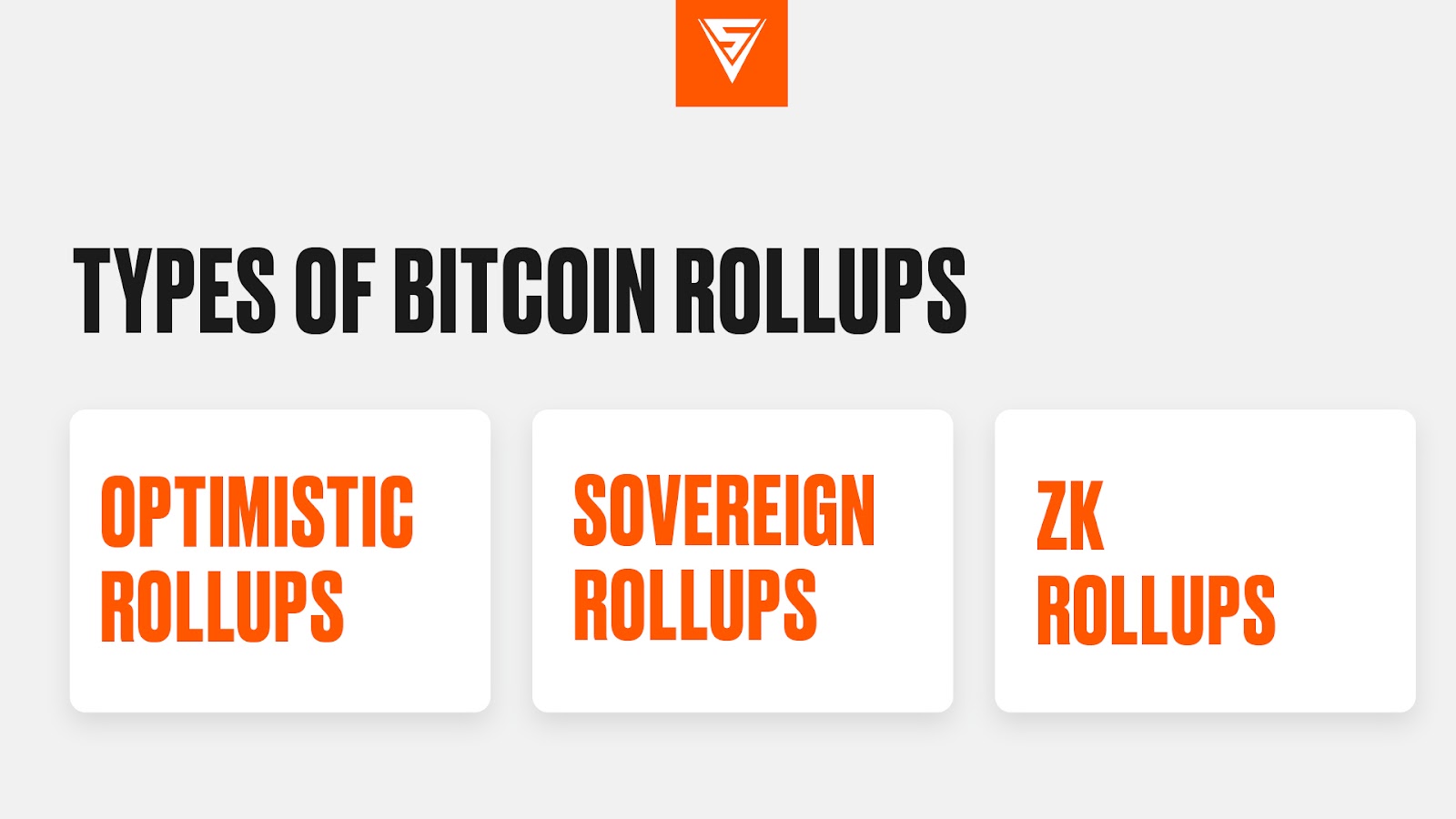
The foundation of any Bitcoin rollup is where it posts its data and resolves disputes. Optimistic rollups post data to Bitcoin but assume validity by default, relying on a challenge period (typically 7 days) for fraud proofs. This offers lower data costs but slower finality. ZK-rollups generate cryptographic proofs submitted on-chain, enabling near-instant finality but requiring significantly more computational overhead to generate those proofs. The choice here dictates whether you prioritize cost efficiency or speed.
Data Availability Strategy
How rollups store transaction data directly impacts security and price. Some projects use raw Ethereum blobs or Bitcoin OP_RETURN for maximal decentralization, ensuring the data is permanently available on the main chains. Others use Data Availability Committees (DACs) or cheaper, centralized storage solutions to reduce fees. While DACs offer cheaper transactions, they introduce a trust assumption; if the committee colludes, the rollup’s security is compromised. For institutional capital, on-chain data availability remains the standard for trust minimization.
Execution Environment
The virtual machine determining how smart contracts execute affects developer experience and ecosystem compatibility. Most Bitcoin rollups aim for EVM equivalence to tap into Ethereum’s existing liquidity and developer base, making migration straightforward. However, some projects are experimenting with novel execution environments like BitVM or custom zkEVMs that optimize for Bitcoin-specific logic. EVM compatibility offers immediate utility, while native environments may offer better performance but require building an ecosystem from scratch.
| Model | Security Level | Finality Speed | Relative Cost |
|---|---|---|---|
| Optimistic Rollup | High (Fraud Proofs) | Slow (7+ days) | Low |
| ZK-Rollup | Very High (Validity Proofs) | Fast (Minutes) | Medium |
| Hybrid Rollup | Medium-High | Medium | Low-Medium |
How to Evaluate Bitcoin L2 Options
Choosing a Bitcoin Layer 2 isn't about finding the fastest chain; it's about finding the one that best preserves Bitcoin's security model while fitting your specific use case. The market is fragmented, with different rollups prioritizing speed, cost, or decentralization. Use this framework to narrow your choices before locking in capital.
Not all L2s secure their state on Bitcoin mainnet. Some use optimistic fraud proofs or rely on centralized sequencers. For high-stakes storage, prioritize rollups that publish validity proofs (ZK) directly to Bitcoin. Check if the protocol uses a trusted setup or relies on decentralized validators to ensure no single point of failure.
A fast chain with no liquidity is useless. Look for protocols with at least $50M in total value locked (TVL) and active trading volumes. Deep liquidity ensures you can exit positions without significant slippage. Avoid newer rollups with thin order books, as they are vulnerable to price manipulation during volatility.
Moving funds back to Bitcoin mainnet can take days if the network is congested or the bridge is congested. Check the withdrawal time and fees for each L2. Some protocols offer faster exits for a premium, while others require waiting for a challenge period. Ensure the exit mechanism aligns with your timeline.
Watch Out for Weak Bitcoin Rollup Options
Not every "Bitcoin L2" solves the security problem. Many projects use optimistic fraud proofs that rely on a single challenger or a small, centralized operator. If that operator goes offline or acts maliciously, your funds are at risk. Always check the fraud proof mechanism and the size of the challenge window.
Some rollups promise high throughput by sacrificing decentralization. They use a small set of validators who are not economically bonded to the Bitcoin mainnet. This creates a trust assumption that defeats the purpose of using Bitcoin. Look for projects that use zero-knowledge proofs or have a robust, decentralized validator set.
Be wary of projects that lack a clear path to security. If a rollup cannot prove its state on Bitcoin mainnet, it is not truly a Bitcoin L2. It is just a sidechain. Verify that the project has a working testnet and a clear roadmap for mainnet deployment with real security audits.
Check the economic model. Some rollups rely on token inflation to pay validators, which can lead to sell pressure and price instability. A sustainable model uses transaction fees from users, not token emissions, to secure the network. This aligns the incentives of users, validators, and the Bitcoin network.
No comments yet. Be the first to share your thoughts!