
Bitcoin rollups 2026 limits to account for
The 2026 constraint for Bitcoin rollups is no longer theoretical. It is a concrete technical bottleneck that determines whether these Layer 2 solutions can scale or remain niche experiments. The core issue involves the settlement of rollup data on the Bitcoin mainnet. As rollup activity increases, the cost and speed of this settlement become the primary limiting factor.
Bitcoin’s block size and block time create a hard ceiling on how much data can be posted per second. Rollups that rely on full data availability face high fees during peak demand. This directly impacts transaction throughput and user experience. The constraint forces developers to choose between security, decentralization, and scalability.
Current solutions like data availability sampling and compressed blobs attempt to mitigate this. However, they introduce new tradeoffs. Users must trust additional validators or pay higher premiums for faster inclusion. The 2026 landscape will likely see a split between rollups that prioritize low cost and those that prioritize maximum security.
Understanding this constraint is essential for evaluating any Bitcoin rollup project today. It dictates the viable use cases and long-term sustainability of each platform.
Bitcoin rollups 2026 choices that change the plan
Choosing a Bitcoin rollup in 2026 means balancing speed, security, and cost. No single solution offers all three without compromise. The landscape has shifted from experimental prototypes to production-ready networks, but each carries distinct technical constraints.
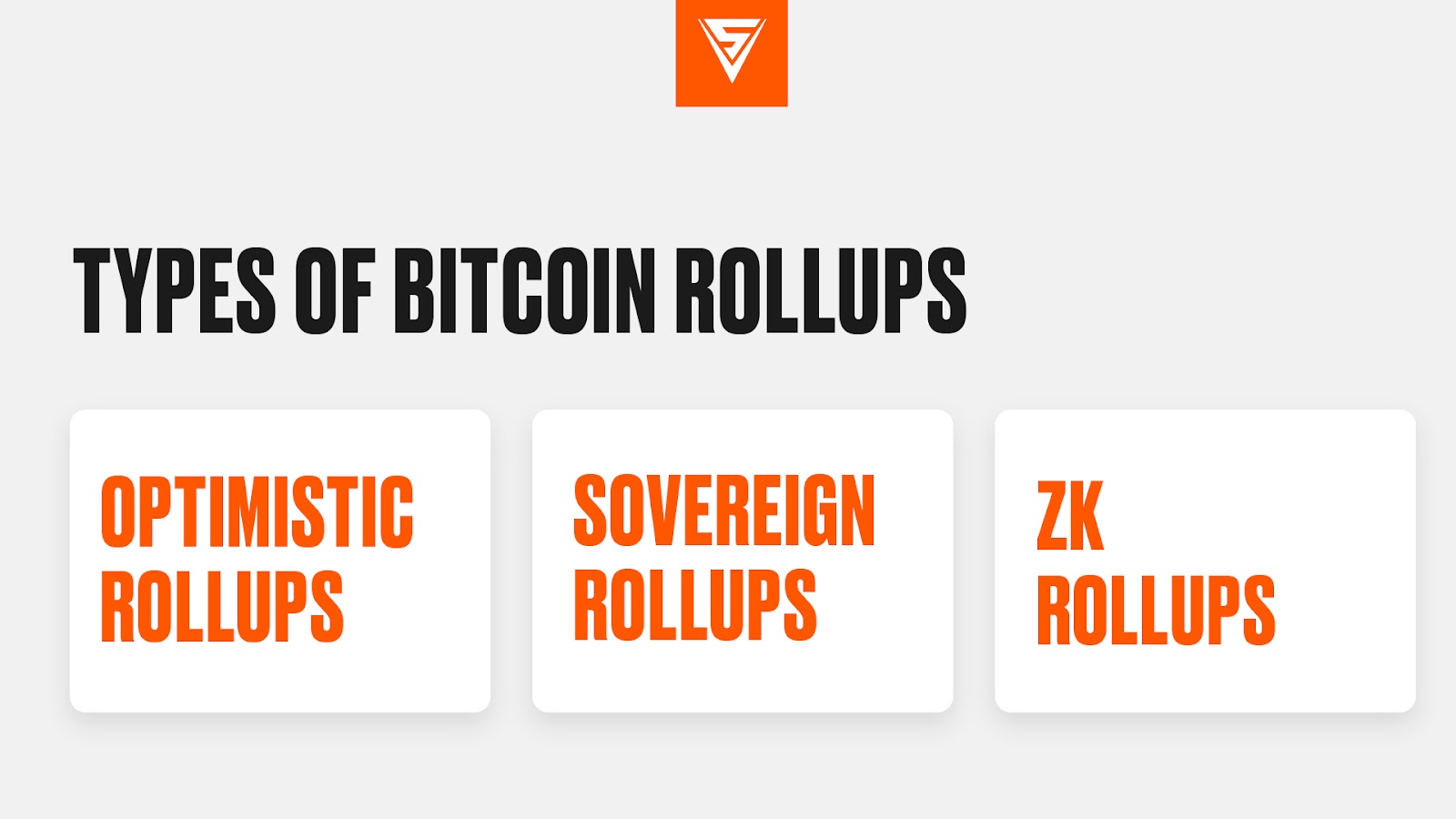
Bitcoin rollups generally fall into two categories: optimistic rollups and zero-knowledge (ZK) rollups. Optimistic rollups assume transactions are valid unless challenged, offering faster development cycles but slower withdrawal times. ZK rollups generate cryptographic proofs for every batch, enabling instant finality but requiring more complex infrastructure and higher computational costs.
| Feature | Optimistic Rollup | ZK Rollup |
|---|---|---|
| Transaction Finality | 7-day challenge period | Immediate after proof |
| Security Model | Economic slashing of challengers | Cryptographic proof verification |
| Development Complexity | Lower; familiar EVM tools | Higher; specialized proving systems |
| Throughput | High; limited by data availability | Very high; compressed proofs |
| Withdrawal Time | Slow; requires waiting period | Fast; instant bridge transfers |
The security model is the most critical differentiator. Optimistic rollups rely on economic incentives and watchdogs to detect fraud. If no one challenges a fraudulent state within the challenge window, the transaction becomes final. This creates a vulnerability window where users must wait days to withdraw funds safely. ZK rollups eliminate this window by mathematically proving validity. The cost of attacking a ZK rollup is prohibitively high, but the technology remains complex and harder to audit.
Throughput and data availability also vary significantly. Optimistic rollups often publish transaction data on Ethereum mainnet, which can be expensive during network congestion. ZK rollups compress this data into small proofs, reducing costs dramatically. However, ZK proof generation is computationally intensive and can create bottlenecks during peak usage. Optimistic rollups scale more linearly with user demand but face higher data fees.
For most users, the choice depends on their risk tolerance and time horizon. If you need immediate access to your funds and can afford higher fees, ZK rollups are superior. If you are comfortable waiting a week for withdrawals and want lower costs, optimistic rollups offer a practical alternative. The market is still evolving, and hybrid models may emerge to combine the best of both approaches.
How to Choose the Right Bitcoin Rollup
Bitcoin rollups are no longer just theoretical experiments. As the network matures, the distinction between viable infrastructure and speculative noise is sharpening. Choosing a rollup today requires looking past marketing claims to the underlying security model and economic incentives. This framework helps you evaluate options based on what matters most for your specific use case.
Not all rollups offer the same level of protection. ZK-rollups (zero-knowledge) generally provide stronger security guarantees because validity proofs are verified on-chain. Optimistic rollups rely on fraud proofs and challenge periods, which can delay withdrawals. For high-value transactions, prioritize protocols that post cryptographic proofs directly to the Bitcoin mainnet.
The primary value of a rollup is reduced cost and increased throughput. Compare the effective gas fees for similar transactions across different networks. Some rollups achieve this through advanced data compression techniques like data availability sampling, while others rely on cheaper sequencers. Look for transparent fee structures that don’t hide costs in complex tokenomics.
A rollup is only as useful as the liquidity it holds. Thin liquidity leads to high slippage and failed trades. Check the total value locked (TVL) and the depth of order books for major pairs. If you are planning to move large volumes, ensure the protocol has sufficient liquidity buffers to handle market volatility without significant price impact.
Speed matters for active traders and developers. Some rollups offer near-instant withdrawals through liquidity pools, while others require waiting for the full challenge period to expire. If you need quick access to your funds, verify the withdrawal mechanism. Protocols that support “fast exits” via centralized or semi-centralized bridges may offer speed at the cost of some decentralization.
| Security Model | Withdrawal Speed | Avg. Fee |
|---|---|---|
| ZK Proofs | Fast | Low |
| Fraud Proofs | Slow | Medium |
| Sidechain | Variable | Very Low |
Bitcoin Rollup Watchouts: Spotting Weak Options
The promise of Bitcoin Layer 2s is clear: scalable, cheap transactions that settle on-chain. The reality in 2026 is a fragmented market where many projects overpromise on finality while underdelivering on security. For investors and developers, distinguishing between robust infrastructure and speculative vaporware requires rigorous scrutiny.
Weak Security Models
Many rollups rely on optimistic fraud proofs with long challenge periods, leaving users exposed to potential exploits during the dispute window. Always verify the security model: does the rollup use ZK proofs for immediate finality, or does it rely on decentralized sequencers? If the sequencer is centralized, you are not getting true decentralization. Check for audit reports from reputable firms like Trail of Bits or OpenZeppelin.
Misleading "Bitcoin-Native" Claims
Some projects claim to be "Bitcoin-native" while actually using wrapped BTC or sidechains with separate consensus mechanisms. True Bitcoin rollups must settle state roots directly on the Bitcoin blockchain. Verify that the bridge is trust-minimized and that the rollup's validity proofs are verified on-chain. If the project uses a separate validator set that doesn't align with Bitcoin's hash power, it's not a Bitcoin rollup.
Hidden Liquidity Risks
Liquidity fragmentation is a major risk. Many rollups have thin order books, leading to high slippage and poor user experience. Check the total value locked (TVL) and daily trading volume. A project with high TVL but low volume may be artificially inflated. Look for integrations with major DEXs and bridges that ensure deep liquidity pools.
Regulatory Uncertainty
Regulatory scrutiny is intensifying. Projects that don't comply with KYC/AML requirements for fiat on-ramps may face shutdowns. Ensure the project has a clear legal structure and compliance framework. Avoid projects that operate in regulatory gray areas, as they pose significant long-term risks.
Bitcoin rollups 2026: what to check next
Bitcoin rollups are moving from experimental testnets to production-ready infrastructure in 2026. As the ecosystem matures, practical concerns around security, cost, and interoperability are taking center stage. Here are the most common questions readers ask before committing capital or building applications on these Layer 2 networks.
No comments yet. Be the first to share your thoughts!