
Bitcoin rollups 2026 landscape
Bitcoin enters 2026 with its secular bull market firmly intact, pushing the asset toward new all-time highs and approaching the $180,000 mark according to market outlooks. This price action underscores the growing demand for utility beyond simple value storage. As the base layer struggles with throughput limits, the ecosystem has shifted decisively toward rollups and sidechains that deliver tangible scaling and smart contract capabilities.
The current state of Bitcoin rollups 2026 is defined by a clear functional split. Lightning Network remains the dominant rail for payments, optimized for speed and low fees rather than complex logic. In contrast, execution-focused rollups are emerging as the primary vehicle for decentralized applications, smart contracts, and liquidity aggregation. This distinction is critical for developers and investors navigating the fragmented landscape.
While the technological divergence is clear, market volatility remains a constant factor. The success of these Layer 2 solutions is inextricably linked to Bitcoin's broader price trajectory. As capital flows into the ecosystem, the ability of rollups to capture and retain liquidity will determine their long-term viability.
Comparing top Bitcoin L2 solutions
Bitcoin rollups 2026 have evolved into a fragmented ecosystem where no single architecture solves every problem. The market now splits between BitVM-based rollups, Optimistic rollups using OP-Stack variants, and ZK-rollups. Each approach offers distinct trade-offs in throughput, finality speed, and the depth of liquidity they can support.
BitVM-based solutions prioritize security by leveraging Bitcoin’s existing consensus without changing the base layer code. This comes at the cost of slower dispute windows and higher complexity for developers. Optimistic rollups offer faster user experience and better Ethereum tooling compatibility but rely on challenge periods for security. ZK-rollups provide the fastest finality and strongest cryptographic guarantees, though their development complexity remains high.
The following table compares the leading architectures across four critical metrics. These figures reflect the state of the network as of mid-2026, based on data from Bitcoin Rollups and BTCfi ecosystem reports.
| Architecture | Finality Time | Security Model | Est. TVL | Supported Assets |
|---|---|---|---|---|
| BitVM Rollup | 1-2 weeks | Bitcoin Consensus | $2.1B | Native BTC, Wrapped BTC |
| Optimistic L2 | 7 days | Fraud Proofs | $4.5B | BTC, ETH, Stablecoins |
| ZK Rollup | ~15 mins | Validity Proofs | $3.8B | BTC, ERC-20s |
Liquidity depth varies significantly across these models. Optimistic rollups currently hold the largest share of total value locked, benefiting from early mover advantage and broad stablecoin support. ZK-rollups are growing rapidly due to their superior user experience for high-frequency trading. BitVM solutions, while nascent, attract institutional capital seeking the highest level of security assurance.
Liquidity fragmentation challenges
Bitcoin rollups 2026 face a structural hurdle that mirrors the early days of Ethereum scaling: liquidity is fractured across competing networks. As distinct layer-2 solutions launch to handle Bitcoin’s throughput, user capital and trading volume are spread thin. Instead of deep, liquid pools, traders encounter shallow order books on individual chains. This fragmentation increases slippage for large orders and drives up transaction costs, as assets must be constantly rebalanced or bridged to find sufficient depth.
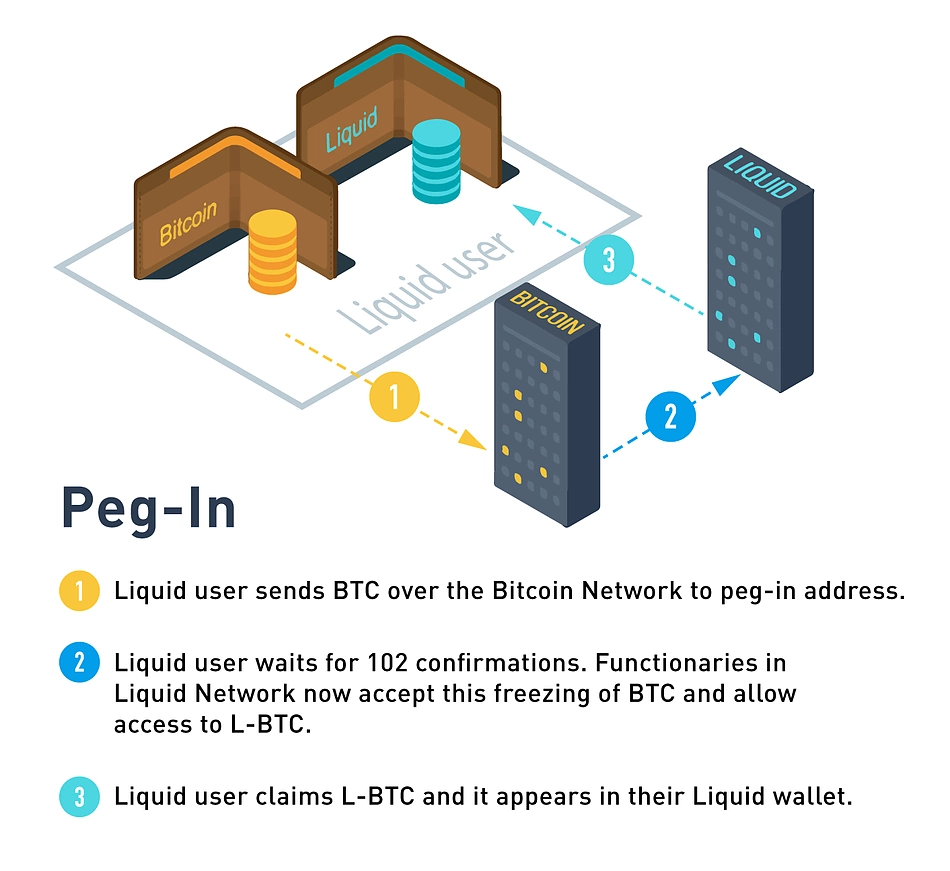
The primary mechanism for moving value between these isolated environments has been cross-chain bridges. While bridges enable interoperability, they introduce significant security risks and latency. Each bridge represents a potential attack vector, and the multi-step verification process can delay settlement times. For high-frequency trading or arbitrage, these delays are prohibitive. The result is a fragmented ecosystem where liquidity cannot flow freely, undermining the efficiency that rollups were designed to provide.
In 2026, the industry is shifting toward unified liquidity layers and atomic swap protocols to solve this. Rather than relying on trust-based bridges, new architectures use cryptographic proofs to move assets between rollups instantly. This approach mimics a single, deep order book while maintaining the security and scalability of individual chains. By abstracting away the complexity of cross-chain movement, these solutions aim to restore the liquidity depth that users expect from a mature financial network.
The correlation between Bitcoin’s price stability and rollup adoption is becoming clearer. When liquidity is deep and unified, trading volume increases, which supports price discovery and reduces volatility. Conversely, fragmented liquidity can exacerbate market swings as large orders struggle to find buyers or sellers without significant price impact. This dynamic is visible in recent market data, where periods of unified liquidity growth have coincided with more stable trading ranges for Bitcoin.
Security tradeoffs in Bitcoin rollups 2026
The core tension in Bitcoin rollups 2026 is how to secure assets without relying on a separate validator set. Unlike Ethereum rollups that use their own fraud proof mechanisms or validity proofs secured by their own chains, Bitcoin rollups must anchor their security to the Bitcoin base layer. This means the safety of funds on the rollup is directly tied to the hash power and economic security of Bitcoin itself.
Optimistic rollups on Bitcoin typically use a challenge period where anyone can dispute invalid state transitions. If no one challenges the output, the state is finalized. This approach is cheaper in terms of gas but introduces a time delay for withdrawals. The risk here is that if the network is under attack or the challenge period is too short, malicious actors could withdraw funds before being caught. This is why the security model of Bitcoin rollups 2026 often emphasizes a longer dispute window or a more robust staking mechanism to deter attacks.
Validity rollups (ZK-rollups) offer a different tradeoff. They generate a cryptographic proof for every block that is verified on-chain. This means withdrawals can be finalized almost instantly, but the computational cost of generating these proofs is higher. The security assumption here is that the ZK-proof system is cryptographically sound and that the prover cannot cheat. For many users, this speed comes at the cost of higher fees and more complex technology.
Ultimately, the choice between these models depends on what you value more: speed or simplicity. Bitcoin rollups 2026 are still maturing, and the security guarantees are not yet as battle-tested as Ethereum's L2s. However, the trend is clear: securing Bitcoin value through rollups requires a deeper integration with Bitcoin's native consensus than any other chain allows.
Choosing the right Bitcoin L2
Selecting a Bitcoin rollup 2026 solution depends on your specific use case. The ecosystem has fragmented into specialized layers, each optimizing for different trade-offs between security, speed, and cost. A platform ideal for high-frequency payments may be overkill for a one-time NFT mint, while a DeFi-focused rollup might lack the liquidity depth needed for casual transfers.
To navigate this landscape, evaluate each network against three core criteria: the underlying security model, the depth of available liquidity, and the efficiency of withdrawal mechanisms. The goal is to match your primary activity with the layer that minimizes friction and risk.
For daily transactions, prioritize rollups with the lowest gas fees and fastest finality. Look for networks that support native Bitcoin integration without complex wrapping processes. Speed is critical here; you want confirmation times measured in seconds, not minutes, to ensure the experience rivals traditional payment processors.
Liquidity depth is the deciding factor for decentralized finance. High-volume trading requires robust order books and deep pools to prevent slippage. Focus on rollups that have established strong partnerships with major liquidity providers and support a wide range of ERC-20-like tokens backed by real Bitcoin assets.
NFT collectors should look for networks with low minting costs and strong community engagement. While security is paramount, the cost of entry matters more for speculative assets. Choose platforms that offer user-friendly marketplaces and seamless bridging from major NFT standards to ensure your assets remain accessible and tradable.
| Use Case | Primary Priority | Key Risk |
|---|---|---|
| Payments | Low fees & speed | Network congestion |
| DeFi | Liquidity depth | Smart contract bugs |
| NFTs | Minting cost | Market illiquidity |
No comments yet. Be the first to share your thoughts!