

Bitcoin rollups 2026 limits to account for
The 2026 Bitcoin rollup landscape is defined by a single, hard constraint: finality. Unlike Ethereum, which relies on a decentralized validator set for consensus, Bitcoin’s security model is anchored by proof-of-work. Rollups that settle on Bitcoin must bridge the gap between their internal state and Bitcoin’s immutable ledger without compromising the network’s decentralization or security guarantees.
This constraint forces a trade-off between speed and trust. Layer-2 solutions like BitVM (Bitcoin Virtual Machine) attempt to solve this by using interactive fraud proofs, allowing for near-instant execution while maintaining Bitcoin’s security assumptions. However, these systems often require significant capital lockups and longer withdrawal periods for users seeking to exit the rollup. The result is a fragmented ecosystem where different rollups prioritize different aspects of this trade-off.
For real-world asset (RWA) tokenization, this constraint matters deeply. Institutional investors require predictable settlement times and clear legal recourse in case of fraud. Rollups that offer faster finality but rely on centralized validators are less attractive for high-value assets. Conversely, those with robust fraud-proof mechanisms provide the necessary assurance but may suffer from slower user experiences. The 2026 winner will likely be the rollup that best balances these competing demands, offering institutional-grade security without sacrificing usability.
The market is already pricing in these realities. Bitcoin’s price action reflects investor sentiment toward these scaling solutions, with spikes in activity often correlating with major rollup upgrades or partnerships. As we move through 2026, the focus will shift from technical feasibility to practical adoption. The rollups that succeed will be those that solve the finality constraint in a way that is invisible to the end-user, providing the speed of Ethereum with the security of Bitcoin.
Bitcoin l2 scaling in 2026: the choices that change the plan
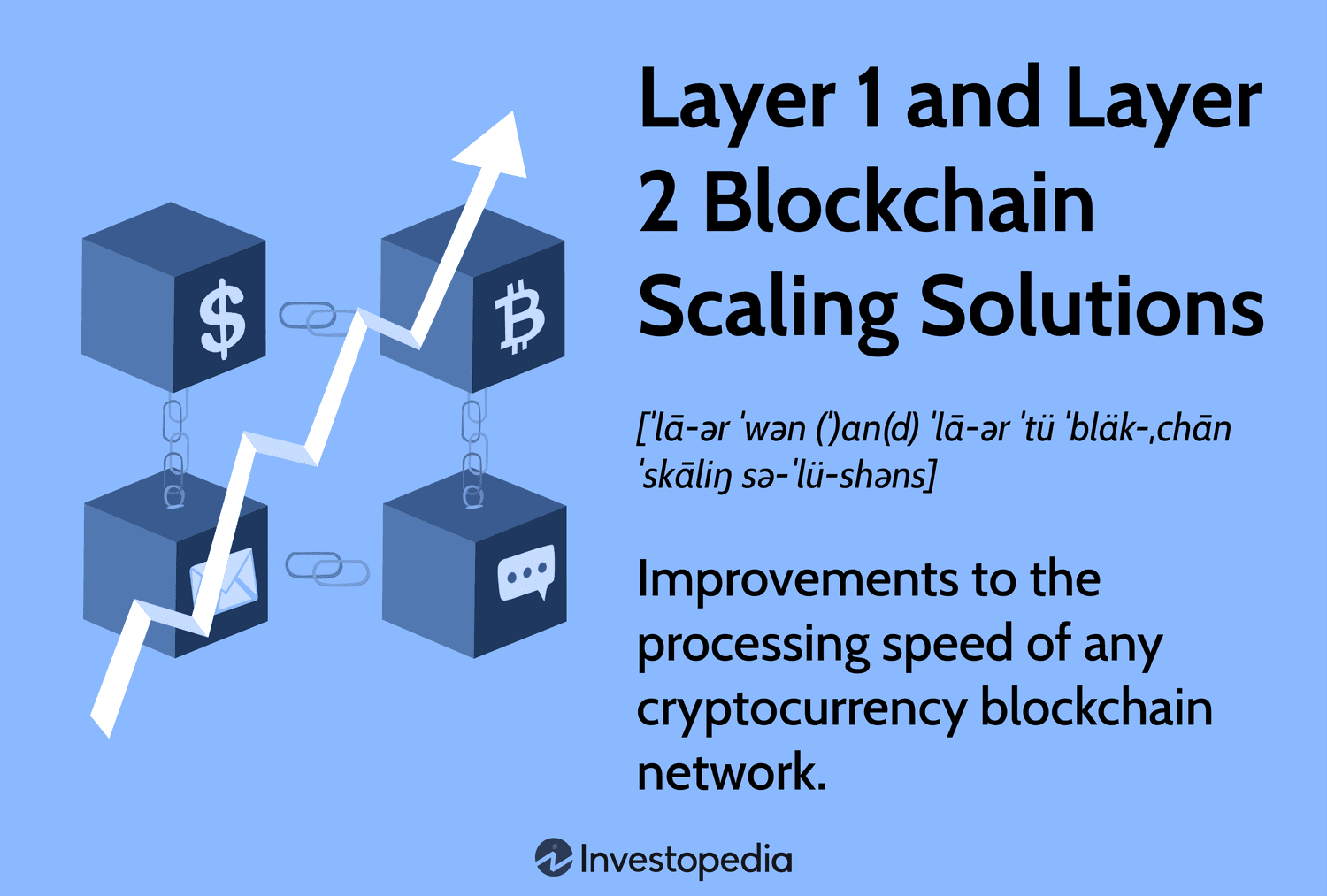
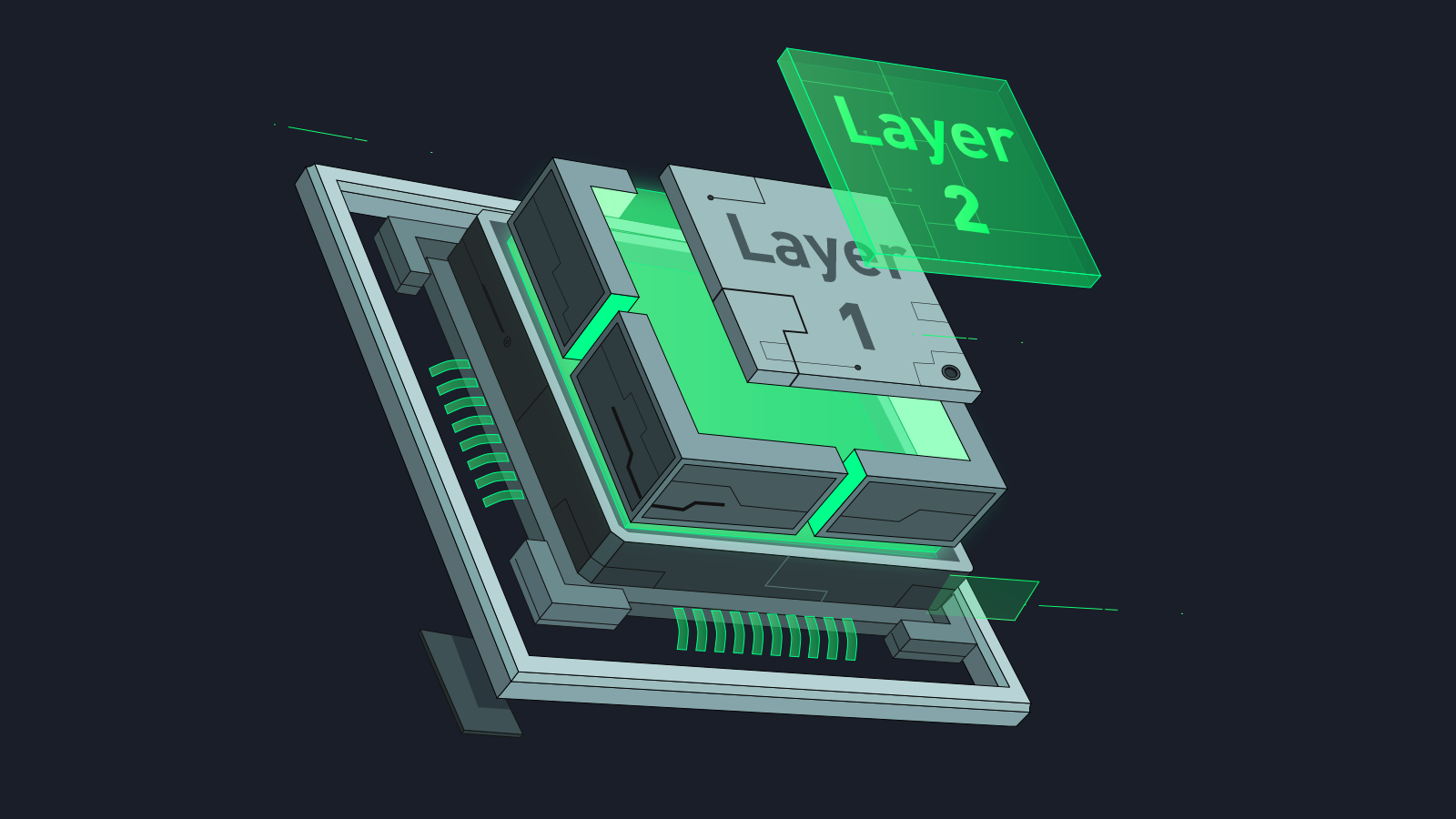
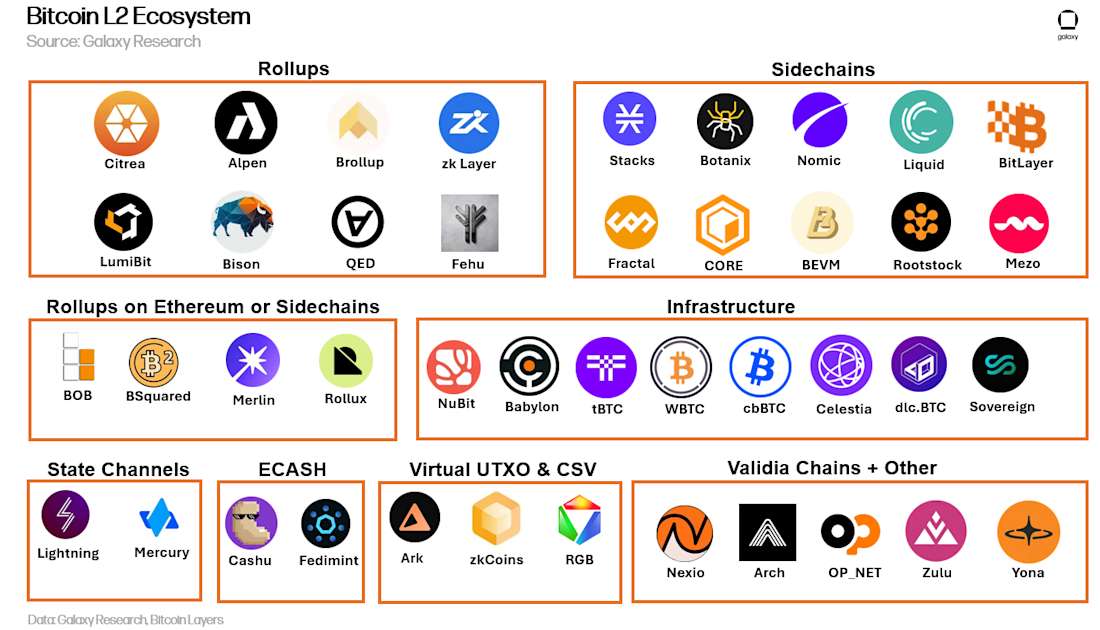
Choosing a Bitcoin Layer 2 rollup in 2026 isn't just about finding the fastest network. It is about balancing security, capital efficiency, and decentralization. As the ecosystem matures, the "one-size-fits-all" approach is fading. Builders now select rollups based on specific use cases, particularly for Real-World Asset (RWA) tokenization, where regulatory compliance and auditability matter more than sheer transaction speed.
To evaluate these options, you need to look at the technical architecture and economic incentives behind each chain. The table below compares the primary tradeoffs across the leading Bitcoin L2 architectures. Use this as a checklist when assessing which network aligns with your operational needs.
| Feature | Optimistic Rollup | ZK Rollup | BitVM |
|---|---|---|---|
| Security Model | Ethereum L1 finality; fraud proofs | Zero-knowledge proofs; immediate finality | Bitcoin consensus; no new trust assumptions |
| Transaction Speed | Fast; ~seconds to minutes | Fast; ~minutes (proof generation) | Slow; ~weeks (challenge period) |
| Capital Efficiency | High; no funds locked for long | High; no withdrawal delays | Moderate; requires bonding |
| Developer Complexity | Low; EVM-compatible tooling | High; requires ZK-circuits | Very High; custom logic engines |
| Best For | High-frequency trading; DeFi | Payments; tokenized assets | Institutional RWA; complex contracts |
Security vs. Speed
The most significant tradeoff lies between security guarantees and transaction finality. Optimistic rollups assume transactions are valid unless proven otherwise. This allows for near-instant user experience but requires a 7-day withdrawal window to allow for fraud proofs. For RWA tokenization, this delay can be a bottleneck for liquidity providers who need immediate access to their capital.
ZK rollups, by contrast, generate cryptographic proofs that verify every transaction on-chain. This eliminates the withdrawal wait time, offering immediate finality. However, generating these proofs is computationally expensive and technically complex. For high-volume, low-value transactions like micro-payments or small asset splits, the gas costs and latency of ZK proof generation can become prohibitive.
Decentralization and Trust Assumptions
BitVM introduces a different paradigm: it allows complex computations on Bitcoin without changing the protocol. Instead of relying on a new consensus layer, it uses a "fraud-proof" system anchored in Bitcoin's own security model. This is the most decentralized approach, as it inherits Bitcoin's immutability directly.
However, this comes at the cost of speed. The challenge period for fraud proofs can take weeks. While this is too slow for trading, it is ideal for institutional RWA settlements where the transaction volume is low, but the legal and compliance requirements are high. The slow finality ensures that every step of the asset lifecycle is cryptographically verifiable on the base layer.
Developer Experience and Ecosystem
The choice of rollup also dictates the developer tooling available. Optimistic rollups often support EVM-compatible environments, meaning developers can port existing Ethereum smart contracts with minimal changes. This lowers the barrier to entry and accelerates deployment for standard DeFi applications.
ZK rollups require specialized knowledge of zero-knowledge circuit design. This creates a steeper learning curve but results in more efficient and secure code for specific use cases. BitVM projects require entirely new programming models, limiting the pool of available developers but offering unparalleled flexibility for custom institutional logic.
How to Choose a Bitcoin L2 for RWA Tokenization
Selecting a Layer 2 solution for real-world assets requires balancing settlement security with asset-specific compliance needs. In 2026, the landscape shifts from experimental rollups to institutional-grade infrastructure. The decision framework below focuses on four concrete tradeoffs that determine whether a chain can handle regulated assets at scale.
Real-world assets demand the same finality as traditional finance. Prioritize L2s that settle directly on Bitcoin mainnet or use a trusted, decentralized bridge with a proven audit history. Avoid chains that rely on single-validator fraud proofs or opaque bridge mechanisms. The security of your tokenized asset is only as strong as its settlement layer.
RWA tokenization requires embedded identity checks. Look for L2s with native account abstraction or built-in KYC modules that allow issuers to enforce transfer restrictions at the protocol level. If compliance requires external smart contract integration, verify that the L2’s developer ecosystem supports standard, audited identity contracts. Native support reduces legal overhead significantly.
Speed matters, but exit liquidity determines real-world viability. Choose an L2 with deep, established liquidity pools on major decentralized exchanges. Ensure that bridging assets back to the mainnet or other chains is frictionless and cost-effective. High gas fees or illiquid bridges can trap institutional capital, making the asset unusable for secondary markets.
A mature ecosystem reduces development risk. Check for active, audited smart contract libraries for token standards (ERC-20, ERC-3643, etc.). A strong developer presence ensures faster bug fixes, better documentation, and community support. Avoid L2s with niche or unproven tooling, as these often lack the security rigor required for institutional adoption.
Watch Out for Weak Options in Bitcoin L2s
As rollups mature in 2026, the market is flooded with projects making bold promises. Not all of them deliver. Distinguishing between genuine scaling infrastructure and speculative wrappers requires looking past marketing decks. This section highlights the most common pitfalls to avoid when evaluating Bitcoin Layer 2 solutions for real-world asset (RWA) tokenization.
The "Bitcoin Native" Buzzword Trap
Many projects claim to be "Bitcoin native" while actually relying on third-party custodians or sidechains that require separate security models. True Bitcoin L2s leverage Bitcoin’s base layer security through techniques like federated pegs, threshold signatures, or optimistic verification. If a project’s whitepaper doesn’t explicitly detail how it maintains finality without relying on a trusted third party, treat it with skepticism. The difference between a secure L2 and a custodial wrapper is the difference between a vault and a safety deposit box.
Ignoring Liquidity Fragmentation
Tokenizing RWAs requires deep, consolidated liquidity. Some L2s launch with impressive TVL but suffer from fragmented order books across multiple bridges and DEXs. This fragmentation leads to poor slippage and higher execution costs for large RWA trades. Before committing capital, check if the L2 has a unified liquidity layer or if users must navigate a maze of cross-chain bridges. A fragmented ecosystem is a weak foundation for institutional-grade asset trading.
Overlooking Regulatory Compliance Layers
RWA tokenization is heavily regulated. Some L2s prioritize speed and anonymity, which can be a liability for compliant asset issuance. Ensure the L2 supports necessary compliance features like whitelisting, KYC/AML integration, and legal wrapper support. Without these, your tokenized assets may be locked out of traditional finance channels. The best L2s for RWA are not just fast; they are legally interoperable.
Final Check: Verify the Tech Stack
Always verify the underlying technology. Is it a ZK-rollup, an optimistic rollup, or a plasma chain? Each has different trade-offs in terms of finality time and security assumptions. For RWAs, finality is often more important than raw throughput. A slower but final settlement on Bitcoin’s base layer is preferable to a fast, reversible transaction on a less secure sidechain.
Bitcoin rollups 2026: what to check next
Are Bitcoin rollups secure?
Bitcoin rollups inherit the security of the Bitcoin base layer. By posting transaction data or proofs on-chain, they rely on Bitcoin’s proof-of-work consensus rather than a separate validator set. This design means you get Ethereum-like throughput with settlement guarantees backed by the most secure blockchain network.
Can I move assets between L1 and L2 instantly?
Withdrawals are not instant. Moving assets from a Bitcoin rollup back to the main chain requires a challenge period, typically ranging from 24 to 48 hours, to allow for dispute resolution. This delay is a necessary trade-off for the enhanced security model, ensuring that fraudulent state transitions cannot be finalized without scrutiny.
How does this affect Bitcoin’s price?
Bitcoin rollups do not create new supply. They simply increase the utility of existing BTC by enabling faster, cheaper transactions for tokenized real-world assets. As noted by analysts, 2026 may see institutional money driven by compliance and utility rather than hype, potentially stabilizing volatility as the asset finds broader practical use.
Are Bitcoin rollups regulated?
Regulatory clarity is improving for 2026. With clearer frameworks emerging, rollups handling tokenized assets must adhere to strict compliance standards. This shift toward real compliance positions Bitcoin rollups as serious infrastructure for institutional finance, moving the industry away from speculative assets toward regulated, auditable financial instruments.
No comments yet. Be the first to share your thoughts!