
Bitcoin rollups 2026 limits to account for
The 2026 Bitcoin rollup narrative is defined by a single bottleneck: finality. While Ethereum L2s have spent years refining sequencer decentralization and data availability layers like EIP-4844, Bitcoin’s ecosystem is still bridging the gap between theoretical throughput and practical settlement. The constraint isn’t just about speed; it’s about trust minimization. Users need to know that their assets on a Bitcoin L2 are backed by Bitcoin’s security, not just a centralized operator’s promise.
This year marks the transition from experimental testnets to mainnet deployments that prioritize compliance and institutional custody. Firms like Pantera Capital note that 2026 will focus on consolidation and real compliance, driven by institutional money rather than retail hype. For Bitcoin rollups, this means integrating with existing regulatory frameworks while maintaining the permissionless nature of the base layer. The technology must prove it can handle high-frequency trading and DeFi interactions without compromising the security model that makes Bitcoin valuable.
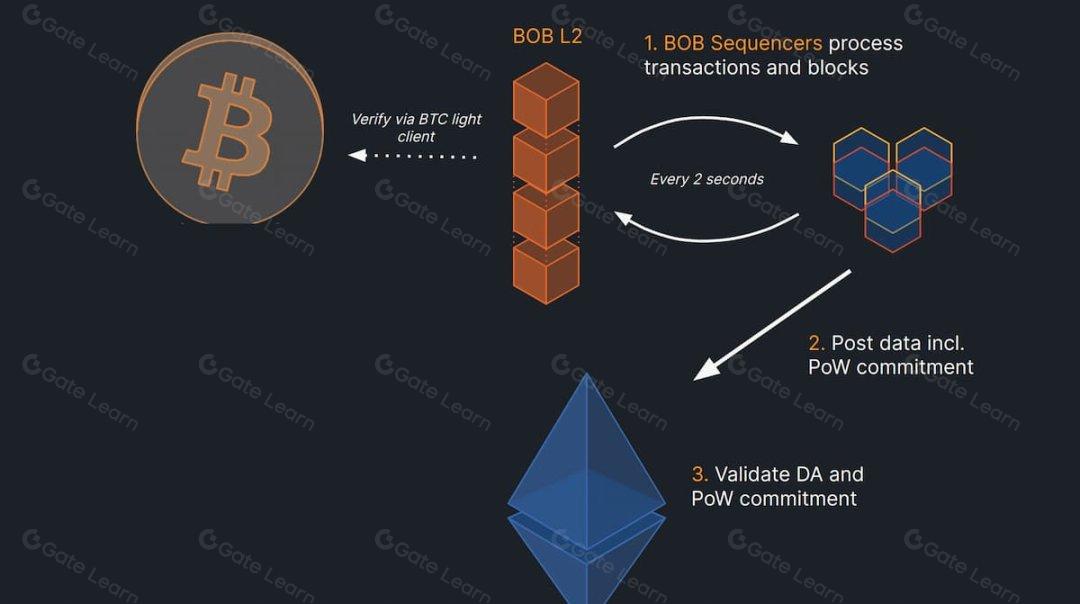
The challenge lies in the trade-off between decentralization and efficiency. Most current Bitcoin L2 solutions rely on optimistic or zero-knowledge proofs to batch transactions off-chain, but the settlement layer remains the primary point of contention. Can these rollups settle directly on-chain with minimal data bloat? Or do they rely on secondary data availability layers that introduce new risks? The answer will determine which protocols survive the 2026 consolidation phase. Investors and developers are watching for solutions that offer clear, auditable paths to finality without sacrificing the core ethos of Bitcoin’s immutability.
Bitcoin rollups 2026 choices that change the plan
Choosing a Bitcoin rollup in 2026 requires balancing security assumptions against transaction speed and cost. You are not just picking a chain; you are selecting a security model that determines how your funds are protected if the network experiences stress or exploits. The tradeoffs are rarely one-sided. Each architecture sacrifices something in decentralization or finality to gain throughput.
Security vs. Throughput
The most significant tradeoff is between inheriting Bitcoin’s full security and achieving high throughput. ZK-Rollups that settle directly to Bitcoin via OP_RETURN or Taproot assets often sacrifice speed for the strongest possible security guarantee. They do not rely on a separate validator set. Optimistic Rollups, by contrast, allow for faster user experiences by assuming transactions are valid unless challenged. However, this introduces a 7-day withdrawal delay for safety, meaning your funds are locked longer if you need to exit to Bitcoin mainnet. You must decide if speed is worth the temporary loss of liquidity.
Finality and Withdrawal Delays
Withdrawal mechanisms vary drastically across rollup types. ZK-Rollups offer immediate finality once the zero-knowledge proof is verified on Bitcoin. This means you can withdraw your assets almost instantly after the block is confirmed. Optimistic Rollups require a fraud-proof window, typically 7 days, before funds are released. For DeFi users, this delay can be a bottleneck, preventing efficient capital rotation. If you are building yield strategies that require rapid rebalancing, the withdrawal time becomes a critical operational constraint rather than a minor inconvenience.
Decentralization and Trust Assumptions
Not all rollups are equally decentralized. Some rely on a small set of sequencers or guardians to order transactions. If these operators collude or go offline, user funds may be frozen or censored. Fully decentralized sequencers exist but often reduce throughput. You should evaluate the governance model of the rollup. Does it have a multi-sig treasury? Is the code audited by independent firms? Trusting a centralized sequencer is a short-term convenience that adds significant counterparty risk to your position.
Cost Efficiency
Gas fees on Bitcoin rollups are generally lower than on Ethereum L2s, but they are not free. ZK-Rollups pay for proof generation, which can be expensive during high congestion. Optimistic Rollups save on computation but pay for data availability. When comparing costs, look at the total cost of a swap or transfer, including the Bitcoin base layer fee if you are bridging. Sometimes the "cheap" rollup becomes expensive when you factor in the cost of settling the final state on Bitcoin.
| Rollup Type | Security Model | Withdrawal Time | Avg. Tx Cost | Decentralization |
|---|---|---|---|---|
| ZK-Rollup | High (Proof-based) | Minutes | Medium | Decentralized |
| Optimistic | Medium (Fraud-proof) | 7 Days | Low | Centralized |
| Hybrid | Variable | Variable | Low | Semi-Centralized |
The 2026 landscape favors rollups that can prove their security assumptions without sacrificing too much usability. As institutional money enters the space, compliance and transparency will drive adoption. Choose the rollup that aligns with your risk tolerance and liquidity needs.
Choose the next step
The Bitcoin L2 Boom works best as a clear sequence: define the constraint, compare the realistic options, test the tradeoff, and choose the path with the fewest hidden costs. That order keeps the advice usable instead of decorative. After each step, pause long enough to check whether the recommendation still fits the reader's actual situation. If it depends on perfect timing, unusual access, or a best-case budget, include a simpler fallback.

Spotting Weak Bitcoin L2 Options
The 2026 Bitcoin L2 narrative is crowded with projects promising native DeFi and scalability. However, not all rollups deliver on their technical promises. Investors must distinguish between genuine innovation and misleading marketing claims.
Over-Reliance on Bridge Security
Many Bitcoin L2s depend on centralized bridges to move assets between Bitcoin and the rollup. This creates a single point of failure. If the bridge is compromised, funds are at risk. Look for protocols using decentralized bridge architectures or native settlement layers that minimize trust assumptions.
Unrealistic Throughput Claims
Some projects advertise thousands of transactions per second (TPS) without explaining the trade-offs. High throughput often comes at the cost of decentralization or data availability. Verify if the rollup uses validium or optimistic rollup models that might delay finality. Real-world performance rarely matches theoretical maximums.
Lack of Native DeFi Ecosystem
A Bitcoin L2 is only as strong as its ecosystem. Many projects launch with empty liquidity pools and no real users. Check for active developers, total value locked (TVL), and genuine usage. Avoid projects that rely on incentivized farming to artificially inflate metrics.
Regulatory Ambiguity
Bitcoin L2s operate in a gray area regarding securities laws. Some projects have not clarified their regulatory stance. This uncertainty can lead to sudden delistings or legal challenges. Prioritize projects with transparent governance and clear compliance frameworks.
Poor User Experience
Complex bridging processes and high gas fees can drive users away. A good Bitcoin L2 should offer seamless asset transfers and low costs. Test the user journey before investing. If the experience is frustrating, adoption will suffer.
Conclusion
The Bitcoin L2 space is evolving rapidly. While the potential is significant, the risks are equally high. Conduct thorough due diligence and avoid projects with weak fundamentals. The 2026 market will likely reward those who prioritize security and usability over hype.
Bitcoin rollups 2026: answering your: what to check next
As Bitcoin rollups mature in 2026, practical concerns about market timing and asset utility replace speculative hype. Institutional flows and technical upgrades are reshaping how we evaluate Bitcoin's trajectory and its role in DeFi.
No comments yet. Be the first to share your thoughts!