
Bitcoin rollups 2026 limits to account for
The primary hurdle for Bitcoin rollups in 2026 is not technical feasibility, but the inherent tension between Bitcoin’s security model and the flexibility required for Layer 2 scaling. Unlike Ethereum, which has native EVM compatibility and a robust developer ecosystem, Bitcoin relies on a conservative proof-of-work consensus that prioritizes immutability over speed. This creates a structural constraint: rollups must find ways to settle transactions off-chain while anchoring proofs to the main chain without compromising the network’s decentralized security.
In 2026, the market is shifting from speculative hype to institutional consolidation. As noted by Pantera Capital, the focus is moving toward real compliance and institutional-grade infrastructure. This means Bitcoin rollups must solve the EVM compatibility issue not just for developer convenience, but to meet the rigorous audit and security standards required by traditional finance. The constraint is no longer whether a rollup can exist, but whether it can operate within Bitcoin’s strict security boundaries while offering the throughput users expect.
The path forward involves specialized architectures like OP_CAT or BitVM, which allow for complex smart contracts without changing Bitcoin’s base layer. These solutions aim to balance the tradeoff between security and scalability. For investors and developers, the key is identifying which rollups can navigate this constraint effectively. The 2026 landscape will likely separate those who merely wrap Bitcoin in an EVM shell from those who build genuine, secure interoperability.
Bitcoin rollups 2026 choices that change the plan
Choosing a Bitcoin rollup in 2026 means balancing three competing needs: security, speed, and ecosystem compatibility. The market has moved past experimental prototypes, but no single solution dominates all use cases. You must evaluate each layer against your specific requirements for finality time, transaction cost, and developer tooling.
The primary decision point is the settlement method. ZK-rollups offer near-instant finality with cryptographic proofs, making them ideal for high-frequency trading or payments. Optimistic rollups rely on dispute periods, which lowers costs but introduces delays for withdrawals. The tradeoff is clear: speed versus cost, with security guaranteed by different mechanisms.
EVM compatibility remains a critical filter. Bitcoin rollups that support Solidity allow developers to port existing Ethereum applications with minimal changes. However, this compatibility often comes with higher gas fees or reduced throughput compared to native Bitcoin-script rollups. If you are building a DeFi protocol, compatibility might outweigh raw performance.
| Feature | ZK-Rollup | Optimistic Rollup | Native BTC Script |
|---|---|---|---|
| Finality | Minutes | Days (7-day challenge) | Block confirmation |
| Gas Cost | Medium | Low | Very Low |
| EVM Support | Yes (via EVM zkEVM) | Yes | No (Native) |
| Security Model | Cryptographic Proofs | Dispute Periods | Bitcoin Consensus |
| Feature | ZK-Rollup | Optimistic | Native BTC |
|---|---|---|---|
| Finality | Minutes | Days | Block confirmation |
| Gas Cost | Medium | Low | Very Low |
| EVM Support | Yes | Yes | No |
| Security | Cryptographic | Dispute | BTC Consensus |
The choice also depends on your risk tolerance. ZK-rollups require complex cryptographic infrastructure, which can introduce new attack vectors if not audited rigorously. Optimistic rollups are simpler to build but rely on economic incentives to deter fraud. Native BTC scripts are the simplest but lack the flexibility of EVM. Evaluate each rollup’s audit history and community size before committing funds.
How to choose a Bitcoin rollup
Bitcoin rollups are moving from experimental code to production infrastructure. The market is shifting from hype to consolidation, with institutional capital favoring platforms that offer real compliance and EVM compatibility. Choosing the right rollup requires a practical checklist rather than speculation.
Most Bitcoin rollups aim to bridge the gap by supporting the Ethereum Virtual Machine (EVM). This allows developers to deploy existing Solidity smart contracts without rewriting them. Check if the rollup supports standard EVM opcodes and if major wallets like MetaMask can connect directly. If you are a developer, this compatibility is the primary driver for adoption.
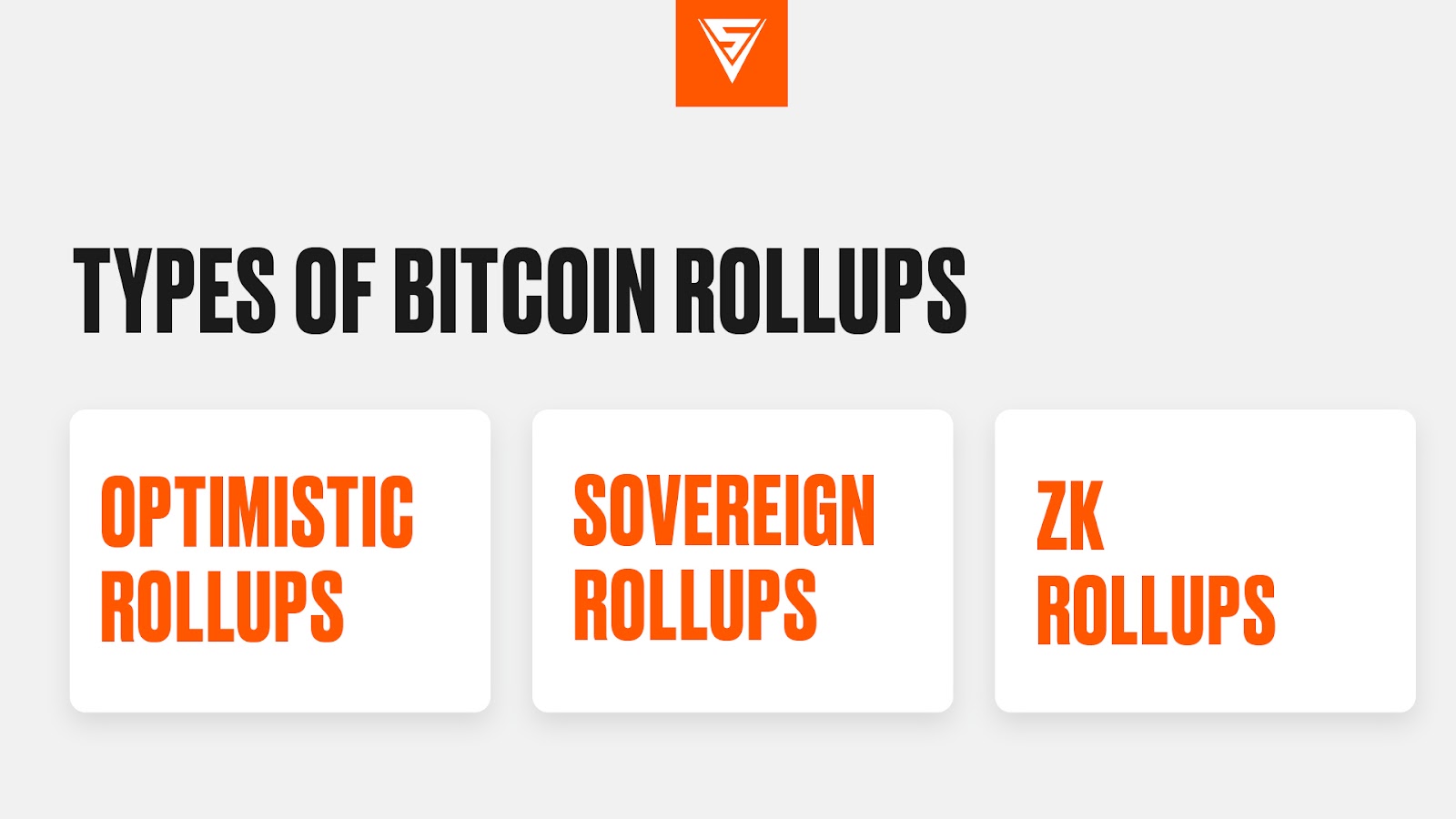
Security models vary significantly between rollups. Some rely on optimistic fraud proofs, while others use zero-knowledge (ZK) proofs for immediate finality. For high-value transactions, ZK-rollups generally offer stronger guarantees. Look for audits from reputable firms and verify if the rollup uses Bitcoin’s base layer for settlement or a separate bridge contract.

A rollup is only as useful as its liquidity. Check the total value locked (TVL) and the number of active decentralized exchanges (DEXs) or lending protocols. A mature ecosystem means lower slippage and better pricing. Avoid rollups with thin liquidity, as this can lead to significant costs during high-volatility periods.
Compare the average gas fees for simple transfers and complex smart contract interactions. While rollups are cheaper than Bitcoin’s base layer, costs can spike during congestion. Look for platforms that offer predictable pricing or fee markets that adjust dynamically. Lower fees are essential for micro-transactions and high-frequency trading.
Watchouts for Bitcoin Rollups
Bitcoin rollups promise EVM compatibility and scalability, but the market is flooded with weak options and misleading claims. Before committing capital, you must distinguish between infrastructure that solves actual settlement problems and projects that merely rebrand existing chains. The 2026 landscape demands rigorous scrutiny of technical architecture and economic security models.
Ignoring Settlement Finality
Many rollups claim to be "Bitcoin-native" but rely on optimistic rollup assumptions that require waiting periods for dispute resolution. This introduces latency and counterparty risk that defeats the purpose of Bitcoin’s security. If a rollup does not post data to Bitcoin’s UTXO set or use a trusted sequencer with no fallback, it is not truly decentralized. Always verify the dispute window and the role of Bitcoin nodes in the finality process.
Vague Tokenomics and Vesting
Projects often hide dilution risks behind complex token schedules. A rollup with a large, unlocked token supply creates constant sell pressure that can undermine the ecosystem’s stability. Check the vesting schedules for team and investor tokens. If more than 20% of the total supply is unlockable within the next 12 months without clear utility-driven burn mechanisms, the token model is likely unsustainable.
Overpromising EVM Parity
Not all EVM implementations are created equal. Some rollups support only a subset of opcodes or lack critical tooling support, making development difficult and prone to bugs. Ensure the rollup supports the full EVM standard, including precompiles like ecrecover and ecrecover256. Without full parity, you cannot port existing DeFi or NFT applications seamlessly, limiting the network’s utility and liquidity.
Bitcoin rollups 2026: what to check next
Investors are weighing the potential of Bitcoin rollups against broader market volatility. Here are the most common questions about price targets and timing.
No comments yet. Be the first to share your thoughts!