
Bitcoin rollups 2026: the scaling limits to account for
The narrative around Bitcoin rollups in 2026 is shifting from speculative promise to technical reality. While early optimism focused on simple transaction throughput, the 2026 landscape is defined by a tighter constraint: proving security without sacrificing the decentralization that makes Bitcoin valuable. Rollups are no longer just about moving money faster; they are about creating a verifiable layer that sits atop Bitcoin’s base settlement.
This shift is driven by institutional demand. As noted in Pantera Capital’s 2026 outlook, the market is moving away from hype toward consolidation and compliance. Bitcoin rollups are becoming the infrastructure for this new era, offering the privacy and scalability that institutional capital requires while maintaining a direct link to Bitcoin’s security model. This isn’t just an upgrade; it’s a structural evolution of how value moves on the network.
The technical challenge remains significant. Implementing zero-knowledge proofs for Bitcoin’s UTXO model is computationally expensive. In 2026, the focus is on optimizing these proof systems to reduce latency and cost. The result is a more robust layer that can handle complex smart contracts and private transactions without overwhelming the base chain. This is the core constraint that will determine which rollups survive and which fade into obscurity.
As we look toward 2026, the key metric isn’t just price, but adoption of these scaling solutions. The rollups that succeed will be those that offer genuine utility, not just speculative gains. This means focusing on real-world use cases like cross-chain interoperability and institutional-grade compliance. The technology is maturing, and the market is beginning to price in the long-term value of a scalable Bitcoin ecosystem.
Bitcoin rollups 2026 choices that change the plan
Choosing a Bitcoin rollup in 2026 requires balancing three competing constraints: security, cost, and composability. No single layer handles all three perfectly. The tradeoffs depend on whether you prioritize institutional-grade settlement or consumer-grade speed.
Security vs. Cost
Optimistic rollups offer lower fees by assuming transactions are valid unless challenged. This model keeps costs down but introduces a 7-day withdrawal window for disputed transactions. Users must trust the sequencer or wait for the challenge period. ZK-rollups provide immediate finality with cryptographic proofs. The tradeoff is higher computational overhead, which currently translates to slightly higher gas fees per transaction.
Composability and Liquidity
Bitcoin’s base layer is not EVM-native. Most rollups use Ethereum Virtual Machine (EVM) compatibility to borrow Ethereum’s developer ecosystem and liquidity. This creates a "shared security" model where the rollup inherits Ethereum’s security. However, it also means rollups are subject to Ethereum’s congestion and fee spikes. Some newer architectures use Bitcoin-specific execution environments to reduce this dependency, but they sacrifice the vast liquidity pools found on Ethereum L2s.
Sequencer Centralization
Many rollups rely on a single sequencer to order transactions. This centralization point is a bottleneck for censorship resistance. If the sequencer goes offline or censors a transaction, users are locked out until the sequencer recovers. Decentralized sequencer networks are emerging in 2026, but they often sacrifice throughput for decentralization. For high-frequency trading, centralized sequencers remain the standard. For long-term holdings, decentralization is non-negotiable.
| Rollup Type | Security Model | Relative Cost | Finality Time | Primary Risk |
|---|---|---|---|---|
| Optimistic | Ethereum Shared | Low | 7 Days | Sequencer Censorship |
| ZK-Rollup | Cryptographic Proof | Medium | Instant | Proof Generation Cost |
| Validium | Off-Chain Data | Very Low | Instant | Data Availability |
| BitVM | Bitcoin Native | High | Variable | Complexity & Adoption |
The market is consolidating around these models. Institutional capital prefers the security of Optimistic and ZK-rollups, while retail users often gravitate toward the lower fees of Validiums. Understanding these tradeoffs is essential for selecting the right layer for your Bitcoin strategy in 2026.
How to choose a Bitcoin L2 today
The 2026 landscape is shifting from speculative hype to institutional consolidation. As Pantera Capital notes, this year prioritizes compliance and real utility over meme-driven volatility. Choosing the right layer-2 solution requires moving past marketing claims and evaluating tangible infrastructure. Use this framework to assess risk and fit before committing capital.
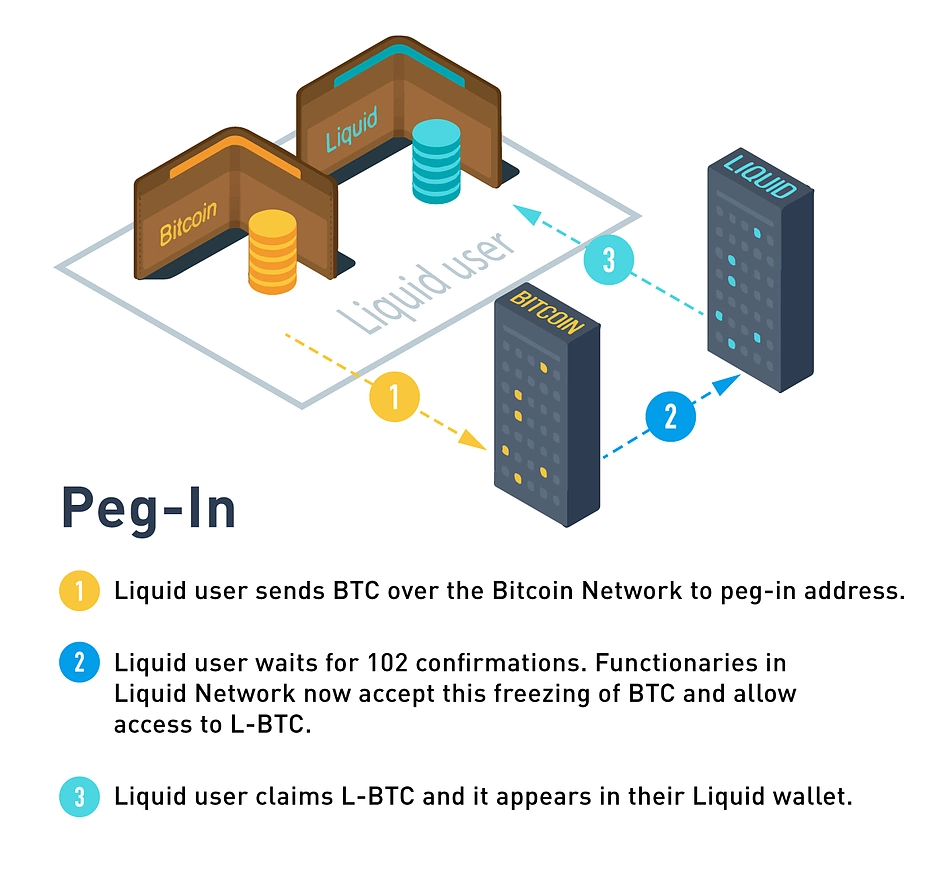
Bitcoin L2s differ fundamentally from Ethereum rollups. Most rely on OP_RETURN data blobs or sidechains that settle on Bitcoin’s main chain. Check if the protocol uses a trusted multi-sig or a decentralized bridge. If the security model depends on a single operator or a small committee, the risk of censorship or fraud is high. Prioritize solutions with transparent, on-chain verification mechanisms.
A fast network is useless without capital to move. Look at the total value locked (TVL) and daily trading volume on the L2. Thin liquidity leads to high slippage and volatile fees during congestion. If the L2 is primarily a testnet or has minimal active users, your transactions may get stuck or executed at unfavorable rates. Depth indicates real-world adoption and resilience.
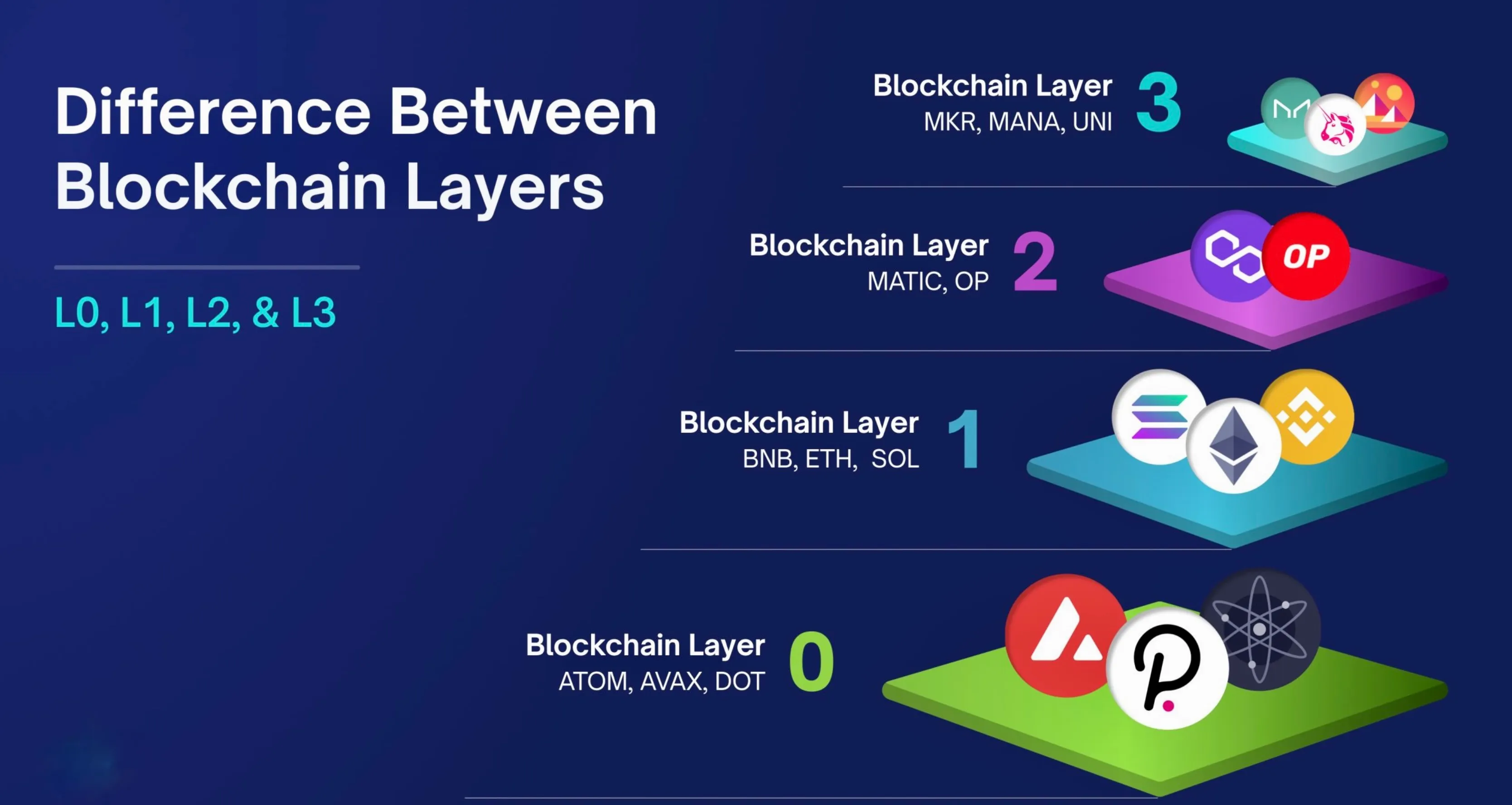
The hardest part of any L2 is getting your Bitcoin back. Evaluate the time required for withdrawals. Some solutions offer instant exits via trusted relayers, while others require a 7-30 day challenge period for security. If you need liquidity quickly, avoid L2s with long, trustless withdrawal windows. If you prioritize maximum security, accept the delay. There is no free lunch between speed and safety.
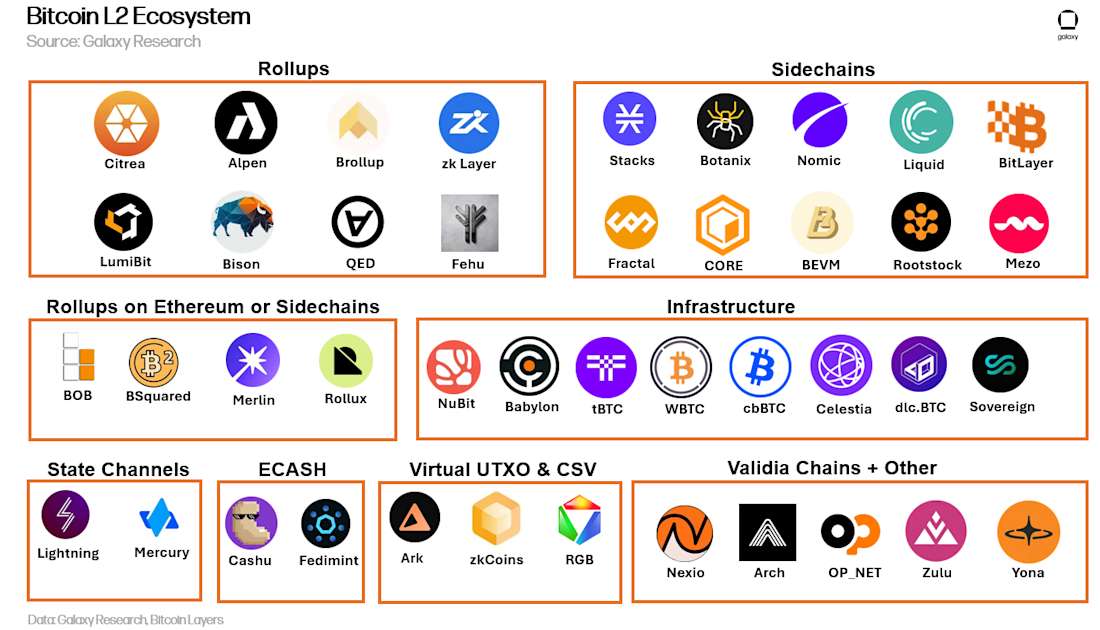
Institutional adoption in 2026 hinges on compliance. Investigate whether the L2 protocol implements KYC/AML checks for large withdrawals or integrates with regulated custodians. Protocols that ignore regulatory frameworks risk being shut down or blacklisted by major exchanges. Choose a solution that explicitly addresses legal requirements to ensure your assets remain accessible.
Watchouts: Avoid the weak options
Not every Bitcoin L2 is built to last. Several projects promise zero-knowledge privacy or instant finality but lack the security guarantees or user base to sustain them. Before committing capital or development effort, you need to separate marketing hype from on-chain reality.
The "Bitcoin-Only" Fallacy
Some L2s claim to inherit Bitcoin’s security by anchoring only to the main chain. While this sounds robust, it often sacrifices speed and privacy for minimal gain. If the base layer is slow, a simple anchor doesn't make the L2 fast. Look for projects that use validiums or optimistic rollups with active fraud proofs, not just static bridges.
Privacy Claims vs. Reality
Many L2s tout "private by default" features. In practice, this often means transaction data is hidden from the public mempool but visible to the operator. If you need true privacy, check if the protocol uses zk-SNARKs or STARKs with verified proofs. Otherwise, you are just hiding your activity from everyone except the sequencer—a single point of failure.
The Liquidity Mirage
High Total Value Locked (TVL) numbers can be misleading. Many L2s inflate their metrics with incentivized liquidity that disappears once rewards dry up. Check the daily active users (DAU) and transaction volume relative to TVL. A healthy L2 should have organic usage, not just yield farmers chasing temporary APYs.
Regulatory Gray Zones
2026 brings stricter compliance requirements. Avoid L2s that operate in legal gray areas or rely on centralized multisig wallets for critical functions. The best projects are transparent about their governance and have legal frameworks in place. As Pantera Capital noted, 2026 is about consolidation and real compliance, not hype [src-serp-2].
Frequently asked questions about bitcoin rollups and market outlook
Is Bitcoin going to skyrocket in 2026?
Most analysts expect continued growth rather than a sudden, unsustainable spike. Institutions are driving demand through regulated products, while bitcoin rollups solve the scalability issues that previously limited adoption. The market is shifting from hype to real utility, which supports steady price discovery rather than erratic volatility. Expect a maturing market where rollups enable faster, cheaper transactions for everyday use.
What will $10,000 worth of Bitcoin be worth in 2030?
Predicting the exact value of a $10,000 investment in 2030 is impossible due to market volatility. However, if Bitcoin follows historical post-halving cycles and achieves wider institutional adoption via L2 solutions, many models suggest significant appreciation. The value will depend on global liquidity, regulatory clarity, and the successful integration of privacy-preserving rollups into the broader financial system.
Which coin will reach $1 in 2026?
Bitcoin rollups do not determine the price of other altcoins, but the infrastructure improvements they bring can boost confidence in the entire ecosystem. While specific coins like XRP or Cardano have historically hovered near the $1 mark, predicting which will hold that level in 2026 requires analyzing individual project utility, tokenomics, and competitive positioning in a rollup-heavy landscape.
How much will 1 Bitcoin be worth in 2027?
Historical data suggests 2027 could be a peak year following the 2024 halving, with some forecasts targeting $150,000 to $200,000. This timeline aligns with the typical four-year market cycle, assuming macroeconomic conditions remain favorable. The widespread adoption of bitcoin L2s by 2027 will likely reduce transaction costs, making the asset more accessible and potentially driving further price appreciation.
No comments yet. Be the first to share your thoughts!