
Bitcoin Rollups 2026 Market Context
The macro backdrop for Bitcoin in 2026 marks a decisive shift from speculative volatility to institutional consolidation. As Pantera Capital notes, the year is defined not by hype, but by real compliance and the steady inflow of public capital. This maturation creates a structural bottleneck: legacy Bitcoin infrastructure, designed for simple value transfer, cannot efficiently handle the transaction volume required by a modern, yield-bearing asset class.
Price stability is the prerequisite for scalable infrastructure. With institutional players demanding predictable fees and settlement finality, the network’s congestion becomes a liability rather than a feature. Bitcoin rollups emerge as the necessary layer to absorb this demand, decoupling execution from settlement. Without this shift, the network risks ceding utility to competitors that natively support high-throughput applications.
Outlook reports from firms like Bitcoin Suisse suggest Bitcoin approaching significant valuation milestones, such as $180K, while simultaneously beginning its journey toward quantum resistance. These technical and economic pressures are converging. The market is no longer just buying the asset; it is demanding the infrastructure to use it at scale. Rollups provide the throughput that allows Bitcoin to function as a global settlement layer without overwhelming the base chain.
How Optimistic and ZK Rollups Secure Bitcoin
Bitcoin rollups solve the throughput bottleneck by batching transactions off-chain, but they rely on two fundamentally different cryptographic methods to prove that data is valid. Understanding the distinction between optimistic and zero-knowledge (ZK) rollups is essential for assessing which model will dominate the 2026 infrastructure landscape.
Optimistic rollups operate on the assumption that all transactions are valid unless proven otherwise. They post transaction data to the Bitcoin base layer but do not include immediate cryptographic proof. Instead, they allow a "challenge period"—typically seven days—during which any network participant can submit a fraud proof if they detect invalid state changes. This model is computationally inexpensive for the rollup operator, as it avoids generating complex proofs for every batch. However, the security guarantee relies on the economic incentive of vigilant watchers and the liquidity locked in the challenge window. If no one detects fraud, the funds are released. This approach prioritizes developer ease and compatibility with existing Ethereum Virtual Machine (EVM) logic, but it introduces latency for finality.
Zero-knowledge rollups, by contrast, generate a mathematical validity proof for every batch of transactions before submitting it to Bitcoin. This proof, often a Zero-Knowledge Succinct Non-Interactive Argument of Knowledge (zk-SNARK) or a STARK, cryptographically guarantees that the state transition is correct. Because the proof is verified on-chain, finality is nearly instantaneous—typically within seconds or minutes rather than days. The trade-off is computational complexity; generating these proofs requires significant processing power, which can lead to higher operational costs for the sequencer. However, ZK rollups offer stronger security assumptions, as they do not rely on the threat of economic penalties or the vigilance of third-party watchers.
The choice between these models dictates the user experience and security profile of Bitcoin-native applications. Optimistic rollups may initially attract developers due to their simplicity and EVM equivalence, while ZK rollups are positioned for long-term scalability and instant finality as proof-generation hardware becomes more efficient.
Bitcoin L2 adoption trends and metrics
The narrative around Bitcoin Layer 2s has shifted from speculative testing to measurable infrastructure growth. By 2026, the primary metric for success is no longer just transaction throughput, but the actual value locked and the volume of settlement activity moving off the main chain. This shift is driven by the maturation of rollup technologies and the integration of Bitcoin-backed stablecoins, which provide the liquidity necessary for decentralized finance to function on secondary layers.
Transaction volume on major Bitcoin L2s has seen a steady climb, correlating with the broader market's acceptance of Bitcoin as a settlement layer for high-frequency applications. While Ethereum L2s continue to dominate in raw transaction counts due to their EVM compatibility, Bitcoin L2s are capturing a significant share of value transfer volume. This is particularly evident in the growth of Bitcoin-backed stablecoins, which analysts expect to balloon in market capitalization as regulatory clarity improves. The ability to move value quickly and cheaply on L2s is becoming a key utility for both retail users and institutional players looking to hedge exposure without leaving the Bitcoin ecosystem.
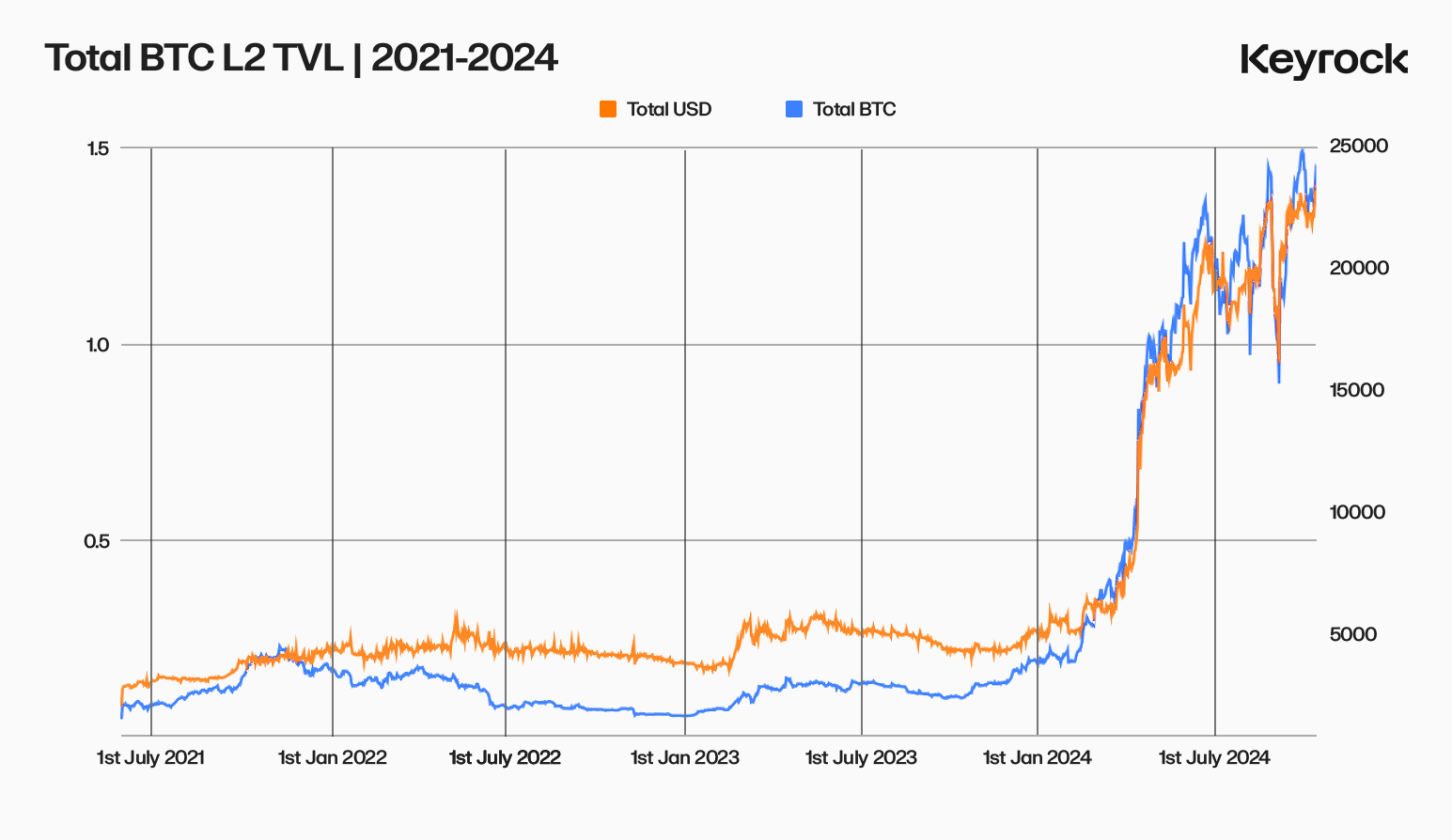
Active addresses and total value locked (TVL) remain the two most critical indicators of L2 health. TVL growth in 2026 is not just a reflection of price appreciation but of genuine utility. Users are locking assets in L2 protocols to earn yields, provide liquidity, or access leveraged positions, creating a sticky economic layer on top of Bitcoin's base security. This trend suggests that Bitcoin is evolving from a store of value into a productive financial asset, with L2s serving as the engine for that productivity.
To contextualize the value being locked and moved, it is essential to look at the current market price of Bitcoin. The volatility of BTC directly impacts the USD value of TVL and the incentives for users to participate in L2 ecosystems.
Bitcoin DeFi infrastructure evolution
Bitcoin rollups are shifting the narrative from passive storage to active financial utility. By operating as layer-2 networks, they introduce complex DeFi primitives directly onto the Bitcoin ecosystem without compromising the base layer's security model. This evolution moves Bitcoin beyond simple value transfer, enabling lending protocols and derivatives that were previously impossible due to the base layer's limited scripting capabilities.
Institutional capital is increasingly viewing this infrastructure shift as the primary driver for the next market cycle. Analysts suggest that the integration of these rollups creates a new liquidity pool, attracting institutional buyers who require sophisticated financial instruments rather than simple spot exposure. This structural change transforms Bitcoin from a digital gold reserve into a productive financial asset.
The technical foundation relies on optimistic or zero-knowledge rollups that settle finality on Bitcoin. This architecture allows for high-throughput transactions while maintaining the trust assumptions of the main chain. As these networks mature, they facilitate automated market makers and leveraged trading positions, effectively creating a parallel financial system anchored by Bitcoin's hash power.
How to evaluate Bitcoin L2 viability
Evaluating a Bitcoin Layer 2 requires looking past whitepapers to the infrastructure that actually secures user funds. As institutional capital seeks compliant on-chain exposure, the difference between a robust protocol and a fragile experiment comes down to three measurable factors: security, liquidity, and developer momentum.
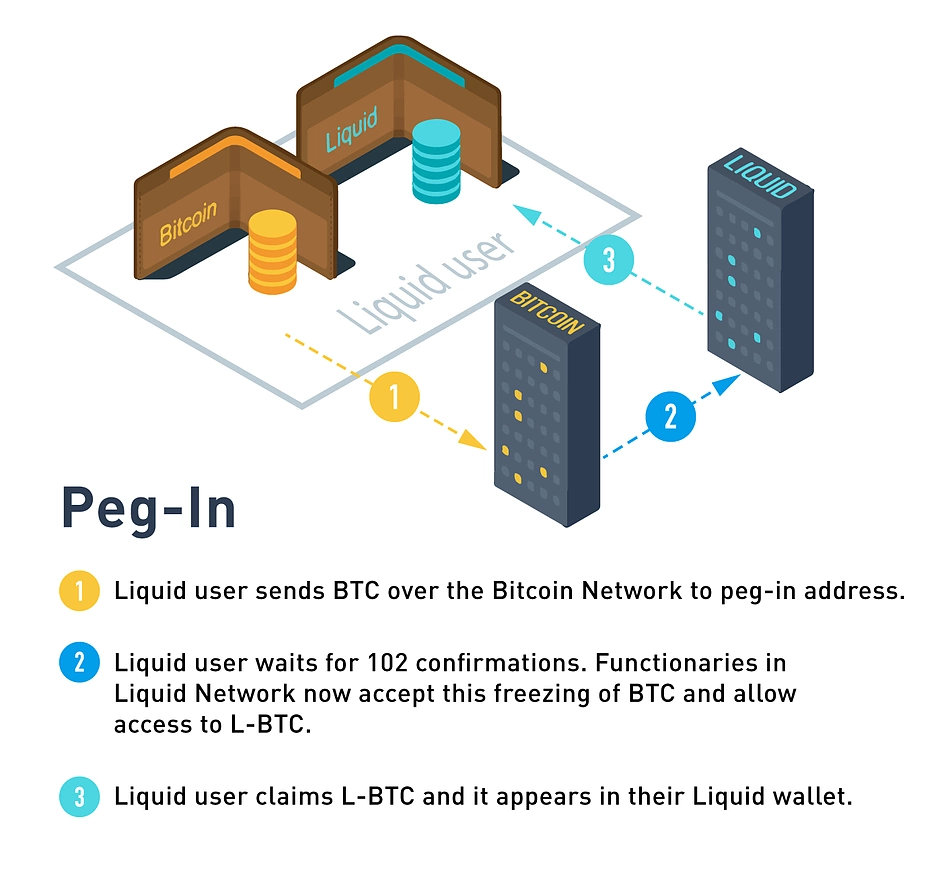
Do not rely on internal claims. Look for third-party audits from firms like Trail of Bits or OpenZeppelin, specifically for the bridge mechanism. The bridge is the primary attack vector; ensure the code has been battle-tested and that multi-sig or MPC (Multi-Party Computation) keys are publicly verifiable. Check if the project has a bug bounty program with a live dashboard.
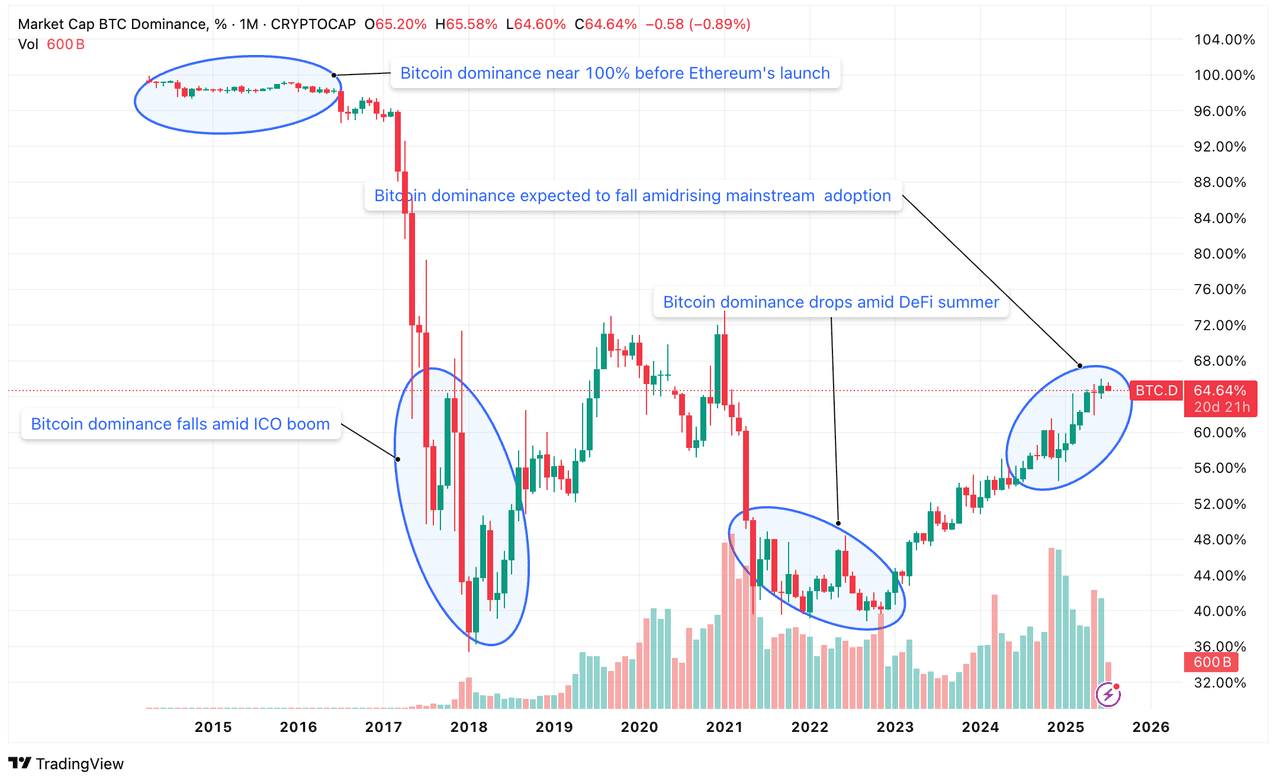
Liquidity is the lifeblood of any L2. Use a provider-backed chart to track Total Value Locked (TVL) over time. Look for sustained growth rather than short-term incentives that cause sudden spikes and drops. Verify that the liquidity is locked in reputable pools and that the protocol can handle reasonable withdrawal volumes without significant slippage.
Active development is a leading indicator of longevity. Review the GitHub repository for consistent commits, issue resolution, and active contributors. A healthy project has multiple maintainers, not just a single founder. Look for integration with existing Bitcoin wallets and DeFi protocols, which signals real-world utility beyond speculation.
| Factor | What to check | Warning Sign |
|---|---|---|
| Security | Third-party audits | No public audit reports |
| Liquidity | TVL consistency | Sudden TVL drops |
| Development | GitHub commits | Stale repository |
The infrastructure shift in 2026 favors protocols that prioritize transparency and security over hype. By focusing on these concrete metrics, you can separate viable Bitcoin L2s from experimental projects that may not survive the coming consolidation.
Bitcoin price and L2 outlook 2026
Bitcoin has retreated more than 50% from its 2026 peak, yet institutional analysis remains divided on the recovery timeline. Standard Chartered and Bernstein maintain bullish stances, forecasting a return above previous highs as Layer 2 infrastructure matures. This divergence highlights the tension between short-term volatility and long-term utility in the Bitcoin ecosystem.
The role of L2s is shifting from speculative hype to essential infrastructure. As transaction costs on mainnet remain prohibitive for daily use, rollups provide the necessary throughput for scalable applications. This structural shift supports long-term growth by anchoring value to actual usage rather than pure speculation.
No comments yet. Be the first to share your thoughts!