
Bitcoin rollups 2026 explained
Bitcoin rollups represent the latest evolution in scaling Bitcoin’s utility. Unlike earlier Layer 2 attempts such as Stacks, which rely on sidechains or distinct consensus mechanisms, rollups settle their final state and security proofs directly on the Bitcoin blockchain. This architecture allows developers to inherit Bitcoin’s unmatched security while achieving transaction throughput comparable to Ethereum’s Layer 2 ecosystem.
The core value proposition is straightforward: process transactions off-chain and post the results—or the cryptographic proofs verifying those results—to Bitcoin. This approach reduces congestion on the base layer and lowers fees for users, all while maintaining the immutability that defines the Bitcoin network. In 2026, the focus has shifted from experimental sidechains to rollup-specific designs that prioritize finality and composability.
There are three primary architectures emerging in this space. Optimistic rollups assume transactions are valid unless challenged, relying on a dispute period to catch fraud. Zero-Knowledge (ZK) rollups use cryptographic proofs to verify every transaction instantly, offering faster finality at the cost of higher computational complexity. Sovereign rollups, a newer variant, prioritize decentralization by allowing users to independently verify data availability, though they may trade off some immediate security guarantees for greater sovereignty.
Understanding these distinctions is critical for evaluating projects. While Stacks and similar early L2s have paved the way, true Bitcoin rollups offer a more direct path to integrating Bitcoin into the broader decentralized finance ecosystem without compromising its foundational security model.
Three architectural approaches to Bitcoin rollups
Bitcoin rollups generally fall into three categories: Optimistic, Zero-Knowledge (ZK), and Sovereign. Each handles data availability and fraud proofs differently, creating distinct trade-offs for security, speed, and cost.
Optimistic rollups
Optimistic rollups assume transactions are valid by default. They post transaction data to Bitcoin and submit proofs only when challenged. This approach lowers initial costs but requires a waiting period—often a week—before funds can be withdrawn to ensure no fraud proofs are submitted. This delay is the primary friction point for users seeking instant settlement.
Zero-Knowledge (ZK) rollups
ZK rollups generate cryptographic proofs for every batch of transactions. These proofs are verified on-chain before the state is updated. This method offers immediate finality and stronger security guarantees, as validity is proven mathematically rather than assumed. ZK rollups are currently leading the narrative for 2026 because they resolve the withdrawal latency inherent in Optimistic designs.
Sovereign rollups
Sovereign rollups prioritize decentralization and censorship resistance by relying on a dedicated validator set rather than on-chain verification. They often use alternative data availability layers, which can reduce costs but may introduce centralization risks. This model is suited for applications where user sovereignty and resistance to external pressure are more critical than instant on-chain finality.

| Type | Security Model | Finality | Cost |
|---|---|---|---|
| Optimistic | Fraud Proofs | Delayed (7+ days) | Low |
| ZK | Validity Proofs | Immediate | Medium |
| Sovereign | Validator Set | Variable | Low |
Top Bitcoin L2 projects in 2026
The Bitcoin Layer 2 landscape has matured significantly, shifting from experimental testnets to production-grade networks securing billions in value. As of mid-2026, five projects dominate the narrative: Citrea, Spark, Stacks, BOB, and Starknet. Each addresses Bitcoin’s scaling constraints through distinct architectural choices, targeting different segments of the decentralized finance (DeFi) ecosystem.
Citrea: Modular Execution
Citrea operates as a modular execution layer designed to integrate seamlessly with existing Ethereum Virtual Machine (EVM) tooling while settling on Bitcoin. By leveraging optimistic rollup technology, it allows developers to deploy familiar smart contracts without rewriting code for Bitcoin-specific languages. This approach lowers the barrier to entry for mainstream DeFi applications, aiming to capture the bulk of EVM-compatible liquidity migrating to Bitcoin.
Spark: High-Throughput Parallelism
Spark focuses on raw transaction throughput using a parallel execution engine. Unlike traditional sequential processing, Spark’s architecture allows multiple transactions to be validated simultaneously, significantly reducing latency and fees. This makes it particularly attractive for high-frequency trading bots and micro-payment applications that require near-instant finality without compromising on Bitcoin’s security guarantees.
Stacks: Decentralized Smart Contracts
Stacks remains the most established Bitcoin L2, utilizing Proof of Transfer (PoX) to align miner incentives with smart contract execution. Its unique value proposition lies in its direct connection to Bitcoin’s security model, ensuring that contract state is anchored directly to the Bitcoin blockchain. While its throughput is lower than newer competitors, its robust developer community and proven track record make it the default choice for long-term Bitcoin-native applications.
BOB: Bitcoin-Optimized Rollup
Built by BitDAO, BOB (Build on Bitcoin) is a Bitcoin-optimized rollup that emphasizes composability between Bitcoin and Ethereum. It serves as a bridge for cross-chain liquidity, allowing users to leverage Bitcoin as collateral in Ethereum-based DeFi protocols. BOB’s focus on interoperability positions it as a critical infrastructure layer for a multi-chain financial system where Bitcoin acts as the primary reserve asset.
Starknet: ZK-Rollup Scalability
Starknet brings zero-knowledge (ZK) rollup technology to Bitcoin via its Starkex engine. By using STARK proofs, it offers provable security with faster finality times compared to optimistic rollups. This makes Starknet ideal for applications requiring complex computations, such as on-chain gaming or advanced financial derivatives, where data availability and verification speed are paramount.
Side-by-Side Comparison
The following table summarizes the technical specifications and market position of these leading Bitcoin L2s. Note that TVL figures fluctuate daily; the comparison focuses on structural differences in finality and consensus.
| Project | Tech Stack | Finality Type | TVL Tier |
|---|---|---|---|
| Citrea | Optimistic Rollup | ~1 week | High |
| Spark | Parallel Execution | Seconds | Medium |
| Stacks | Proof of Transfer | ~10 mins | High |
| BOB | Bitcoin-Optimized Rollup | ~10 mins | Medium |
| Starknet | ZK-Rollup (STARKs) | Minutes | High |
The Rise of BTCfi and Wrapped BTC
Bitcoin rollups are shifting the ecosystem from simple storage to active financial infrastructure. The emergence of BTCfi—Bitcoin Finance—marks a structural change in how capital is deployed within the Bitcoin network. Rather than sitting idle, BTC is increasingly being wrapped, lent, and utilized as collateral across Layer 2 networks.
The economic impact is measurable. As of May 2026, the total value secured in the BTCfi category sits in the tens of billions of dollars, a figure that expands further when restaking protocols are included. This growth is driven by the integration of wrapped BTC and yield-bearing assets, which allow Layer 2s to capture significant Total Value Locked (TVL).
This shift is supported by broader market momentum. With Bitcoin surging past $94K in early 2026 following major ETF inflows, institutional interest has created a fertile environment for decentralized finance applications built on Bitcoin layers.
Choosing the right Bitcoin L2
Selecting a Bitcoin Layer 2 depends on your specific tradeoffs between security, speed, and cost. The ecosystem currently splits into three main architectures: Zero-Knowledge (ZK) rollups, Optimistic rollups, and Sovereign rollups. Each model serves different needs, from high-frequency trading to long-term value storage.
Zero-Knowledge rollups offer the strongest security guarantees by generating cryptographic proofs for every transaction. Projects like Citrea and Starknet use ZK technology to ensure validity without relying on trust assumptions. This makes them ideal for high-value transfers or applications where fraud resistance is non-negotiable, though they often come with higher computational costs.
Optimistic rollups assume transactions are valid unless proven otherwise, significantly reducing upfront costs. This model suits applications requiring high throughput and lower fees, such as gaming or micro-transactions. While cheaper, they require a challenge period for dispute resolution, meaning finality is slower than ZK alternatives. Projects like BOB leverage this model to balance scalability with Bitcoin's security.
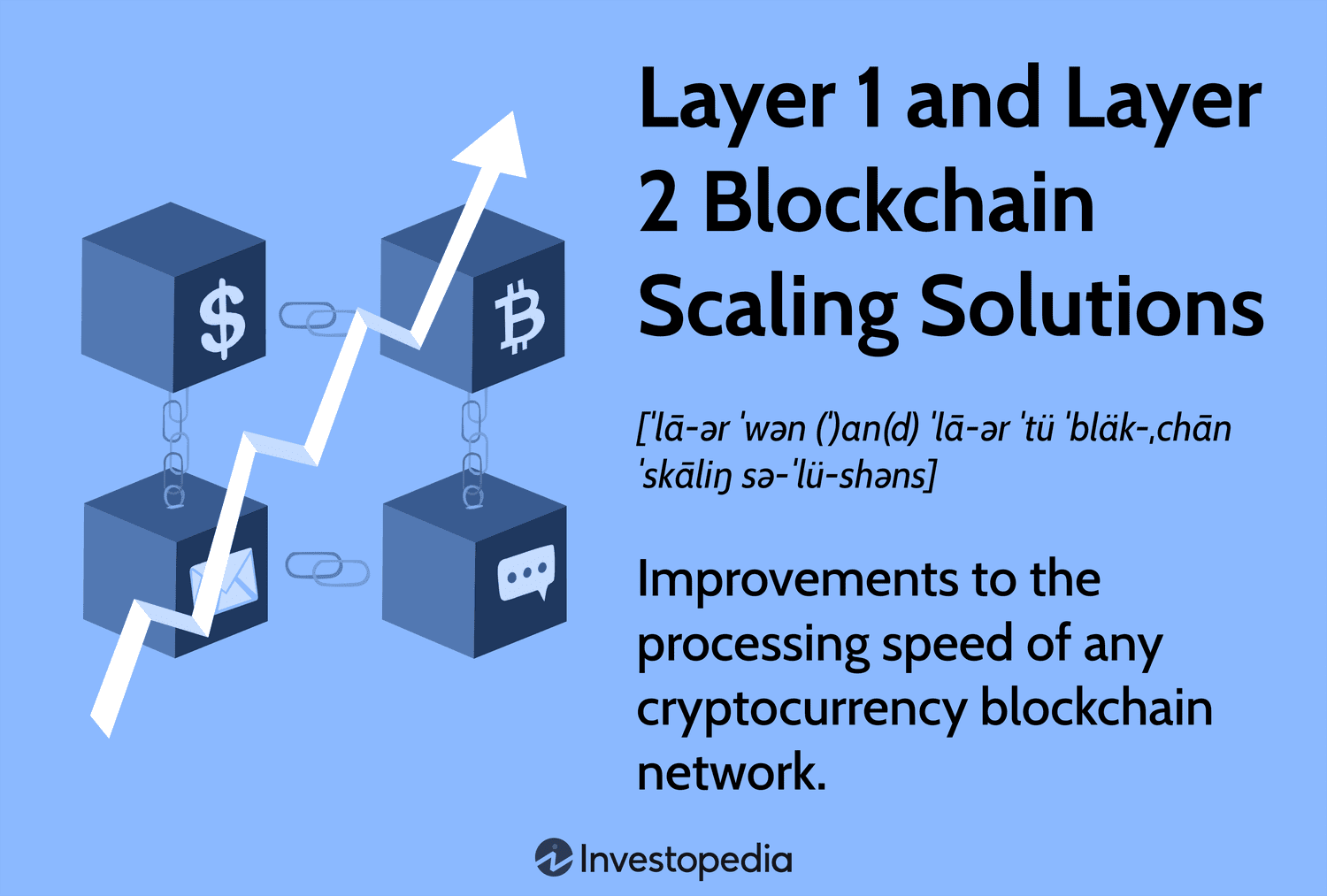
Sovereign rollups grant developers full control over their sequencers and data availability, offering unparalleled flexibility. This approach is best for specialized ecosystems or private applications that do not need to rely on the broader Bitcoin L2 network for security. However, this independence comes with the tradeoff of reduced shared security, placing more responsibility on the project operators to maintain integrity.
| Model | Security Level | Transaction Cost | Finality Speed |
|---|---|---|---|
| ZK Rollups | Highest | Higher | Fast |
| Optimistic Rollups | Medium | Low | Slow |
| Sovereign Rollups | Custom | Variable | Instant |
Bitcoin Rollups 2026 FAQ
As the Bitcoin Layer 2 landscape matures, technical distinctions between rollup types become critical for developers and investors. Below are the most common questions regarding ZK versus Optimistic architectures, security models, and the current state of the ecosystem.
For real-time market context, see the current Bitcoin price and technical chart below.
No comments yet. Be the first to share your thoughts!