
Bitcoin L2 landscape in 2026
Bitcoin Layer 2 scaling has moved beyond experimental prototypes into a tiered ecosystem. The current landscape divides into two distinct categories: established smart contract platforms and newer rollup architectures. Understanding this split is essential for evaluating which projects offer immediate utility versus those betting on future scalability.
Established smart contract platforms
Legacy projects like Stacks and Rootstock have spent years building non-custodial smart contract environments anchored to the Bitcoin mainnet. These networks prioritize security and decentralization over raw throughput. They operate by wrapping Bitcoin transactions or using sidechains that relay state to the Bitcoin blockchain, offering a mature developer experience for DeFi and NFTs.
Newer rollup architectures
The newer wave focuses on native rollups, including Optimistic and Zero-Knowledge (ZK) designs. Projects like Citrea and Bitlayer aim to bring Ethereum-style scalability to Bitcoin by batching transactions off-chain and posting proofs or fraud proofs on-chain. This approach promises significantly higher throughput and lower fees, though the infrastructure is still maturing compared to the legacy platforms.
Market context
The development of these Layer 2 solutions is occurring against a backdrop of price volatility. Bitcoin has faced downward pressure in 2026, yet institutional interest in scaling infrastructure remains high. The chart below illustrates the recent market behavior that these networks aim to insulate from.
Established Bitcoin L2s
Stacks and Rootstock represent the two dominant legacy smart contract platforms on Bitcoin. They serve as the foundation for much of the current Bitcoin DeFi ecosystem, prioritizing stability and established developer tooling over experimental throughput. While newer rollup architectures aim for higher scalability, these two networks handle the bulk of existing wrapped Bitcoin liquidity and decentralized applications.
Stacks operates as a layer that settles directly on the Bitcoin blockchain, using a unique Proof of Transfer (PoX) consensus mechanism. This design allows developers to write smart contracts in Clarity, a language that prioritizes security and predictability over flexibility. Rootstock, by contrast, functions as a sidechain that mirrors the Ethereum Virtual Machine (EVM). This compatibility allows developers to deploy existing Ethereum code with minimal changes, making it a familiar entry point for web3 developers new to Bitcoin.
The total value locked in these legacy platforms contributes significantly to the broader BTCfi sector. According to DeFiLlama, the total value secured in the BTCfi category sits in the tens of billions of USD as of May 2026, with Stacks and Rootstock accounting for the majority of that capital. This liquidity supports a wide range of use cases, from decentralized lending to yield-generating strategies, making these networks critical infrastructure for Bitcoin-based finance.
Stacks vs. Rootstock Comparison
The following table compares the core technical and economic metrics of the two established Bitcoin L2s.
| Feature | Stacks | Rootstock |
|---|---|---|
| Consensus | Proof of Transfer (PoX) | Proof of Work (PoW) |
| Smart Contract Language | Clarity | Solidity (EVM) |
| Settlement | Direct Bitcoin | Sidechain |
| Primary Use Case | Secure DeFi & NFTs | EVM Compatibility |
Stacks: Secure Smart Contracts
Stacks has matured into a robust platform for building decentralized applications that settle directly on Bitcoin. Its Clarity language prevents common vulnerabilities found in other smart contract environments by allowing for formal verification and predictable execution. This focus on security has attracted institutional-grade projects and high-value DeFi protocols that prioritize capital safety over rapid feature releases. The network's ability to incentivize Bitcoin miners to secure the Stacks chain through PoX creates a unique economic alignment between the two layers.
Rootstock: EVM Compatibility
Rootstock offers a familiar environment for Ethereum developers by supporting the EVM. This compatibility lowers the barrier to entry for deploying smart contracts, as existing tools, wallets, and libraries work with minimal modification. While this approach sacrifices some of the native security guarantees of Clarity, it enables a broader ecosystem of applications to run on Bitcoin quickly. Rootstock's sidechain model allows for faster transaction finality compared to direct Bitcoin settlement, though it relies on a separate validator set for security.
Emerging ZK and Optimistic Rollups
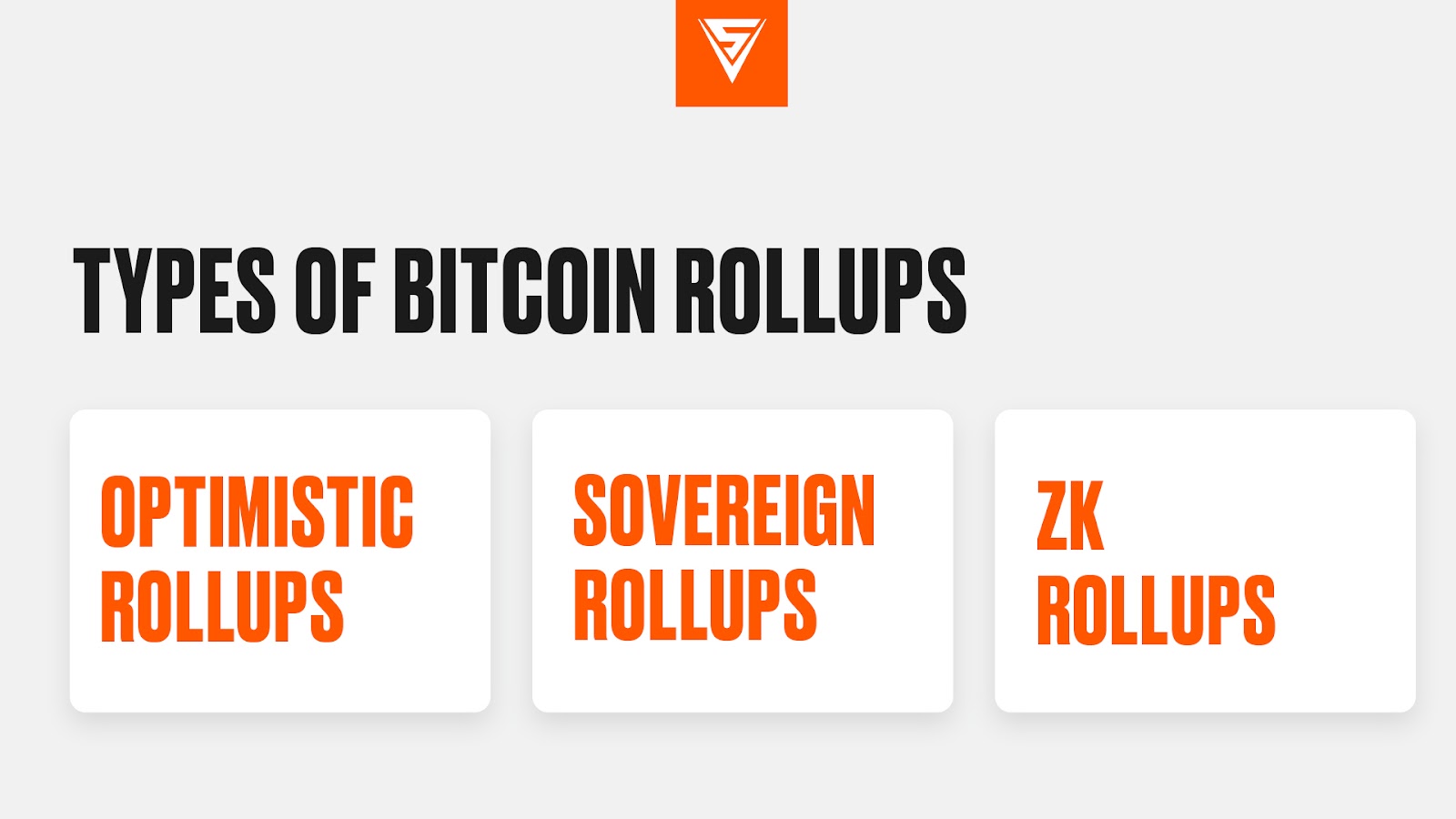
Bitcoin-native rollups are shifting from theoretical concepts to active development, aiming to solve the network's throughput constraints. Projects like Citrea, Botanix, and Bitlayer are building the infrastructure to bring higher speed and lower fees to the Bitcoin ecosystem using two distinct cryptographic approaches.
The core difference lies in how they prove transactions are valid. Optimistic rollups assume transactions are valid unless proven otherwise, relying on a dispute period to catch fraud. ZK rollups, by contrast, generate a cryptographic proof for every batch of transactions, allowing the network to verify validity instantly without a wait period.
Citrea operates as the first dual-mode rollup, supporting both optimistic and ZK proofs. This hybrid approach allows developers to choose the verification method that best fits their use case. Botanix and Bitlayer are also making significant strides, with Bitlayer focusing heavily on high-performance EVM compatibility and Botanix exploring novel consensus mechanisms tailored for Bitcoin.
These projects are not just competing with each other but also with established Bitcoin Layer 2 solutions like Stacks and Rootstock. The race is on to determine which technical model will offer the best balance of security, speed, and decentralization for the next wave of Bitcoin applications.
DeFi yield and wrapped BTC trends
Bitcoin Finance (BTCfi) has shifted from experimental concepts to a substantial sector. As of May 2026, total value secured in the BTCfi category sits in the tens of billions of USD, according to data from DeFiLlama. This growth is driven primarily by wrapped Bitcoin and lending protocols on Layer 2 networks, which offer higher yields and lower transaction costs than Bitcoin’s base layer.
The market for wrapped BTC has matured alongside institutional demand. Pantera Capital notes that 2026 is defined by consolidation and compliance rather than hype, with institutional capital flowing into regulated yield strategies. This environment favors L2s that provide secure, verifiable bridges for BTC, allowing capital to remain productive while earning yield through lending and liquidity provision.
Choosing the right Bitcoin L2
Selecting a Bitcoin Layer 2 requires matching the protocol’s security model to your specific needs. There is no single best option; the choice depends on whether you prioritize direct Bitcoin security or application flexibility.
For developers building high-throughput applications like DeFi or gaming, rollups such as Citrea or Bitlayer offer lower fees and EVM compatibility. These solutions batch transactions off-chain and post proofs to Bitcoin, balancing cost with strong security guarantees inherited from the main chain.
If your priority is secure value storage or simple transfers, the Lightning Network remains the most battle-tested option. It provides instant, near-zero cost payments with the highest level of decentralization, though it lacks the smart contract complexity needed for advanced dApps.
Consider your risk tolerance and technical requirements. Use a ComparisonTable to weigh finality times, fees, and security assumptions side-by-side before committing funds or deploying code.
Bitcoin price outlook and adoption
Bitcoin has spent much of 2026 under pressure after tumbling more than 50% from its record high, but major institutional players remain convinced the current downturn will eventually give way to another major rally. This correction has shifted the market narrative away from speculative hype toward consolidation and compliance, a transition driven by the steady influx of institutional capital. Layer-2 scaling solutions are central to this shift, providing the necessary infrastructure for real-world utility rather than just price speculation.
The integration of Bitcoin L2s is creating a feedback loop for long-term value accrual. By enabling cheap, fast transactions on the Bitcoin network, these protocols are attracting developers and enterprises that previously found the base layer too expensive or slow. This utility-based demand provides a fundamental floor for the asset, distinguishing the current cycle from previous purely momentum-driven bull markets.
Pantera Capital notes that 2026 is defined by "real compliance" and institutional money being driven by public adoption. As L2s mature, they act as the bridge between Bitcoin's store-of-value narrative and its potential as a global settlement layer. This structural evolution suggests that price discovery will increasingly reflect network usage and transaction volume, rather than just macroeconomic liquidity conditions.
No comments yet. Be the first to share your thoughts!