
Bitcoin rollups 2026: the limits to account for
Bitcoin rollups represent the most significant structural shift in the network's history, addressing the long-standing throughput crisis that has limited on-chain utility. By 2026, the ecosystem has moved beyond theoretical proposals to functional Layer 2 solutions that process transactions off the main chain while settling security on Bitcoin. This architecture allows for higher transaction volumes and lower fees without compromising the decentralized security model that defines the asset.
The primary constraint for 2026 is not technical feasibility, but rather the maturity of the settlement layer and user experience. While projects like Stacks, Rootstock, and emerging rollup frameworks like Citrea are gaining traction, the gap between raw throughput and practical usability remains. Users must navigate varying levels of decentralization, finality times, and liquidity fragmentation across different rollup solutions.
For investors and developers, the key decision is no longer whether Bitcoin can scale, but which rollup architecture best suits their specific needs. The market is splitting between those prioritizing EVM compatibility for smart contract flexibility and those focusing on native Bitcoin scripting for maximum security. Understanding these tradeoffs is essential for navigating the 2026 landscape, where the value of Bitcoin Layer 2 projects will be determined by their ability to deliver real-world utility at scale.
Bitcoin rollups 2026 choices that change the plan
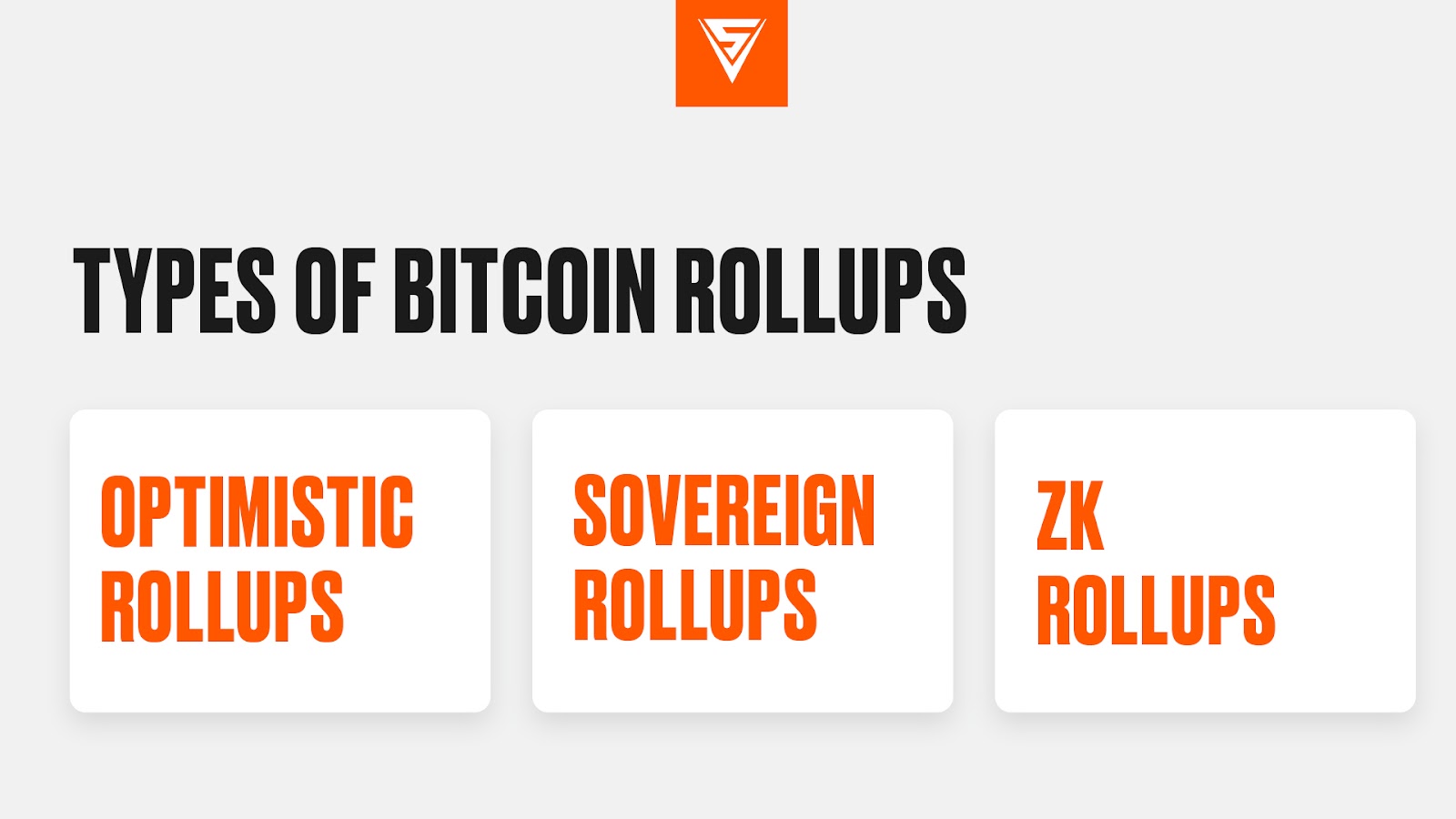
Choosing a Bitcoin rollup means choosing a security model. There is no free lunch in scaling; every architecture balances decentralization, speed, and cost against different risks. In 2026, the market has split into distinct camps: those prioritizing Ethereum-like security via ZK proofs, and those prioritizing Bitcoin-native security via optimistic verification or hybrid models.
The primary tradeoff is between security assurance and developer experience. ZK-rollups like Citrea offer faster finality and stronger cryptographic guarantees but require complex proof systems that can limit the types of smart contracts supported. Optimistic rollups like BOB (Build on Bitcoin) allow for broader EVM compatibility and easier onboarding but rely on dispute periods, meaning withdrawals may take longer during the challenge window.
| Rollup Model | Security Source | Finality Speed | EVM Compatibility | Primary Use Case |
|---|---|---|---|---|
| ZK-Rollup (e.g., Citrea) | Ethereum L1 Proofs | Fast (minutes) | Limited/Modified | High-frequency DeFi, NFTs |
| Optimistic Rollup (e.g., BOB) | Bitcoin Dispute Window | Slow (hours/days) | Full EVM | General-purpose dApps |
| Bitcoin-Native (e.g., Stacks) | Bitcoin Consensus | Slow (block time) | No (Clarity) | Bitcoin-backed DeFi |
For most users, the decision hinges on trust assumptions. If you trust the Ethereum network's validator set to secure your funds, a ZK-rollup offers the best speed-to-security ratio. If you prefer to keep your security anchored strictly to Bitcoin's hash power, a Bitcoin-native layer or an optimistic rollup with a longer withdrawal period is the safer, albeit slower, choice. As the ecosystem matures in 2026, these distinctions will blur as cross-rollup bridges and standardized protocols emerge, but the foundational tradeoffs remain the same.
How to choose the right Bitcoin Layer 2 for your needs
Bitcoin rollups and Layer 2 solutions have matured significantly, offering distinct paths for scaling. The choice depends less on hype and more on your specific use case: payments, smart contracts, or institutional liquidity. Below is a practical decision framework based on current 2026 capabilities.

| Use Case | Best Solution | Speed | Security |
|---|---|---|---|
| Payments | Lightning Network | Instant | Off-chain channels |
| Smart Contracts | Stacks / Rootstock | ~10 min blocks | PoX / EVM |
| Institutional Liquidity | Liquid Network | ~2 min blocks | Sidechain MWEB |
| High Throughput | Citrea / Bitlayer | Near-instant | Bitcoin-native rollup |
The right choice depends on balancing speed, security, and decentralization. For most users, Lightning is sufficient for daily transactions. Developers should evaluate Stacks or Rootstock based on their preferred programming language. Institutions should consider Liquid for privacy and scale. Emerging rollups offer high potential but require careful due diligence.
Spotting Weak Bitcoin Layer 2 Options
As the Bitcoin ecosystem matures in 2026, distinguishing between robust infrastructure and speculative noise becomes critical. Many new rollups promise unlimited throughput but fail to address the fundamental security guarantees that make Bitcoin valuable. Investors and developers must look past whitepaper hype and examine the actual architecture behind the claims.
Several projects market themselves as "Bitcoin L2s" while relying on centralized sequencers or weak validity proofs. If a rollup cannot prove transaction validity on the Bitcoin mainnet without trusting a small committee, it is merely a sidechain with Bitcoin branding. This distinction matters because it determines whether your assets are truly secured by Bitcoin’s hash rate or just a separate, vulnerable network.
Another common trap is ignoring the liquidity fragmentation these solutions create. A rollup might offer fast transactions, but if it cannot bridge easily to the broader DeFi ecosystem, its utility remains limited. Evaluate each project based on its bridge security, validator decentralization, and actual user activity rather than total value locked (TVL) numbers that can be easily manipulated.
The strongest contenders in 2026, such as Stacks and Rootstock, have demonstrated long-term resilience and clear utility. However, newer entrants like Citrea and Bitlayer are pushing the envelope with optimistic rollup models. Always verify their audit reports and check if their fault proof mechanisms are fully deployed on mainnet before committing significant capital.
Frequently asked questions about Bitcoin rollups and 2026 markets
Is Bitcoin going to skyrocket in 2026? Bitcoin’s price action in 2026 is heavily influenced by the maturation of Layer 2 scaling solutions. As rollups like Citrea and Stacks improve throughput, institutional interest grows. However, "skyrocketing" remains speculative. Market volatility persists, and price movements depend on broader macroeconomic conditions rather than scaling improvements alone.
Which crypto will skyrocket in 2026? While many altcoins speculate on rapid gains, Bitcoin rollups are the primary infrastructure play for 2026. Projects like Stacks, Rootstock, and Liquid are gaining traction for their utility. Instead of chasing volatile altcoins, investors are focusing on Bitcoin’s Layer 2 ecosystem, which offers more predictable growth through actual usage and transaction volume.
Is 2026 a good year to buy Bitcoin? 2026 is viewed as a pivotal year for Bitcoin adoption due to the launch of major rollup mainnets. The entry of institutional capital and improved network efficiency make it a strategic time for long-term holders. However, timing the market is difficult; dollar-cost averaging into Bitcoin remains a safer strategy than attempting to buy at the bottom.
How much will Bitcoin be worth in 2030? Predictions vary widely, but the integration of rollups suggests increased utility and scarcity. If Layer 2 solutions successfully handle global payment volumes, demand for Bitcoin as a settlement layer could drive significant value appreciation. Analysts estimate potential targets based on network effects, but no one can guarantee a specific price point four years out.
No comments yet. Be the first to share your thoughts!