
Why Bitcoin Rollups Matter in 2026
The narrative around Bitcoin is undergoing a fundamental shift. For years, the asset has been treated primarily as a digital store of value, a passive reserve akin to digital gold. That era is ending. As we move through 2026, the convergence of clearer regulatory frameworks and expanding institutional access is forcing a transition from speculation to utility. Bitcoin rollups are becoming the critical infrastructure for on-chain activity.
This pivot is driven by necessity. The base layer’s limited throughput has long been a bottleneck for sophisticated financial applications. Institutional capital, which demands efficiency and low transaction costs, cannot operate effectively on a network designed for settlement only. Rollups resolve this by offloading computation while settling security on the Bitcoin mainnet. This structure allows for high-frequency trading, complex DeFi strategies, and scalable tokenization without compromising the security guarantees that make Bitcoin unique.
Regulatory clarity in 2026 has accelerated this adoption. Unlike the speculative frenzy of previous cycles, current market dynamics are defined by compliance and consolidation. Institutional players are building integrated systems. This environment favors solutions that offer both scalability and verifiable security. Rollups provide the necessary throughput for institutional-grade applications while maintaining the immutable audit trail that regulators and auditors require.
The implications for the broader financial system are significant. By enabling scalable, secure applications on Bitcoin, rollups unlock trillions in dormant value. This is not just about faster transactions; it is about integrating Bitcoin into the fabric of global finance. As institutional money flows into compliant, efficient rollup ecosystems, Bitcoin’s role evolves from a peripheral asset to a central pillar of digital infrastructure.
The stakes are high. The success of Bitcoin rollups in 2026 will determine whether the network remains a niche store of value or becomes the backbone of a new financial era. The groundwork laid this year will likely pay off for those who build with security and compliance at the core.
Bitcoin L2 Contenders Compared
The race to scale Bitcoin without compromising its security model has produced several distinct architectures. As of early 2026, the market is split between rollups that prioritize speed through independent consensus and those that lean heavily on Bitcoin’s base layer for finality. Understanding these tradeoffs is essential for institutional capital allocating to BTC-native ecosystems.
The following table compares the leading contenders across security, throughput, and market metrics. These platforms represent the current frontier of Bitcoin Layer 2 innovation.
| Project | Security Model | TVL (Est.) | Finality |
|---|---|---|---|
| Babylon | Bitcoin Staking | $1.2B | ~1 hour |
| Merlin Chain | Optimistic (Rollup) | $850M | ~1 week |
| B² Network | ZK-Rollup | $600M | ~10 mins |
| Stacks | Proof of Transfer | $450M | ~10 mins |
Babylon distinguishes itself by allowing Bitcoin holders to stake their coins directly to secure other chains, effectively borrowing Bitcoin’s hash rate security. This model appeals to conservative investors who want exposure to Layer 2 growth without sacrificing the underlying asset’s safety. Merlin Chain and B² Network take a different approach, utilizing optimistic and zero-knowledge rollup technologies respectively to achieve higher transaction throughput. These solutions are better suited for high-frequency trading and DeFi applications where speed is paramount.
Market sentiment remains cautious despite the technological progress. Recent inflows into Bitcoin have reached $20 billion, yet prices remain muted as liquidity shifts toward emerging onchain innovations [src-serp-7]. The macro environment in 2026 is setting the tone for crypto’s next phase, with shifting liquidity favoring protocols that can demonstrate real utility over speculative hype [src-serp-3].
Liquidity fragmentation and DeFi risks
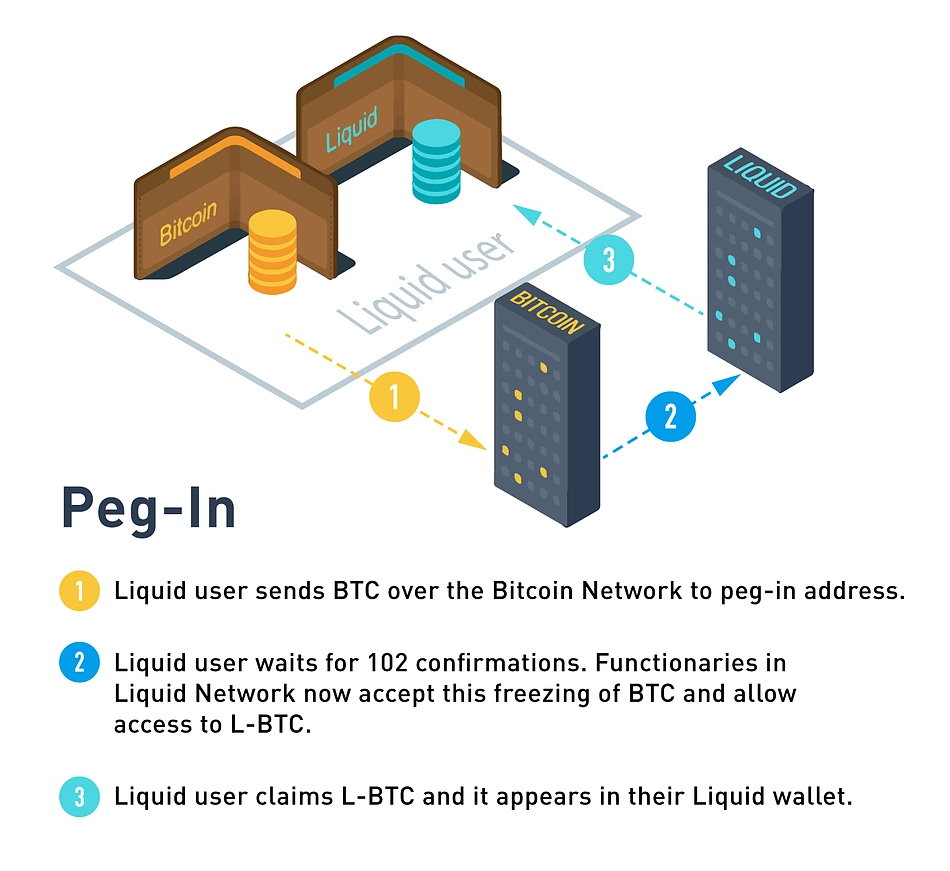
By 2026, Bitcoin’s scaling narrative has shifted from mere transaction throughput to the complex architecture of capital efficiency. The primary challenge is liquidity fragmentation. As multiple Layer 2 (L2) solutions compete for market share, Bitcoin’s total value locked (TVL) is split across competing bridges, rollups, and sidechains. This fragmentation mirrors the early Ethereum landscape, where capital was diluted across incompatible ecosystems, reducing the depth and stability of any single market.
The risk extends beyond inefficient capital allocation. Each bridge required to move assets between these isolated L2 environments introduces a significant attack surface. Historically, bridge hacks have drained billions from the broader crypto ecosystem. In a high-stakes environment where institutional capital demands security, these vulnerabilities act as a ceiling on adoption. Protocols must now navigate a maze of cross-chain liquidity pools, often sacrificing yield or speed to mitigate counterparty risk.
The current market reality is stark. While Bitcoin L2s are growing, they still trail Ethereum’s mature L2 ecosystem in total liquidity depth. This disparity creates a dangerous asymmetry: high transaction volume on Bitcoin L2s is supported by relatively shallow liquidity pools, making them susceptible to large trades causing extreme price slippage.
This fragmentation forces users and protocols to make difficult trade-offs. Choosing an L2 is a decision about which liquidity pool will hold your capital. Until standardized cross-chain messaging and atomic swap protocols mature, Bitcoin DeFi will remain a fragmented archipelago of liquidity, rather than a unified, deep market.
Bitcoin L2 adoption and price action
The correlation between Bitcoin L2 adoption and BTC price action is tightening as 2026 approaches. Network activity on layer-2 solutions is a leading indicator of institutional confidence. When L2 transaction volumes surge, they signal real-world utility, which historically precedes significant upward price movements. This dynamic creates a feedback loop where increased adoption drives scarcity perception, lifting the base asset's value.
Technical indicators suggest that Bitcoin is positioning for a decisive move. The market is currently consolidating near key support levels, with volume profiles indicating strong accumulation by long-term holders. A break above the current resistance zone could trigger a rapid re-pricing of Bitcoin, especially if L2 adoption metrics continue their upward trajectory. The chart below illustrates the current market structure and potential breakout zones.
Institutional implications are significant. As L2s become the primary layer for everyday transactions, Bitcoin’s role as a settlement layer and store of value is reinforced. This separation of concerns allows for higher throughput without compromising the security of the base layer. For investors, this means that L2 growth is a fundamental driver of Bitcoin’s long-term valuation. The convergence of technical strength and adoption metrics points to a robust market sentiment heading into the latter half of 2026.
No comments yet. Be the first to share your thoughts!