
Why Bitcoin Needs Layer 2 Now
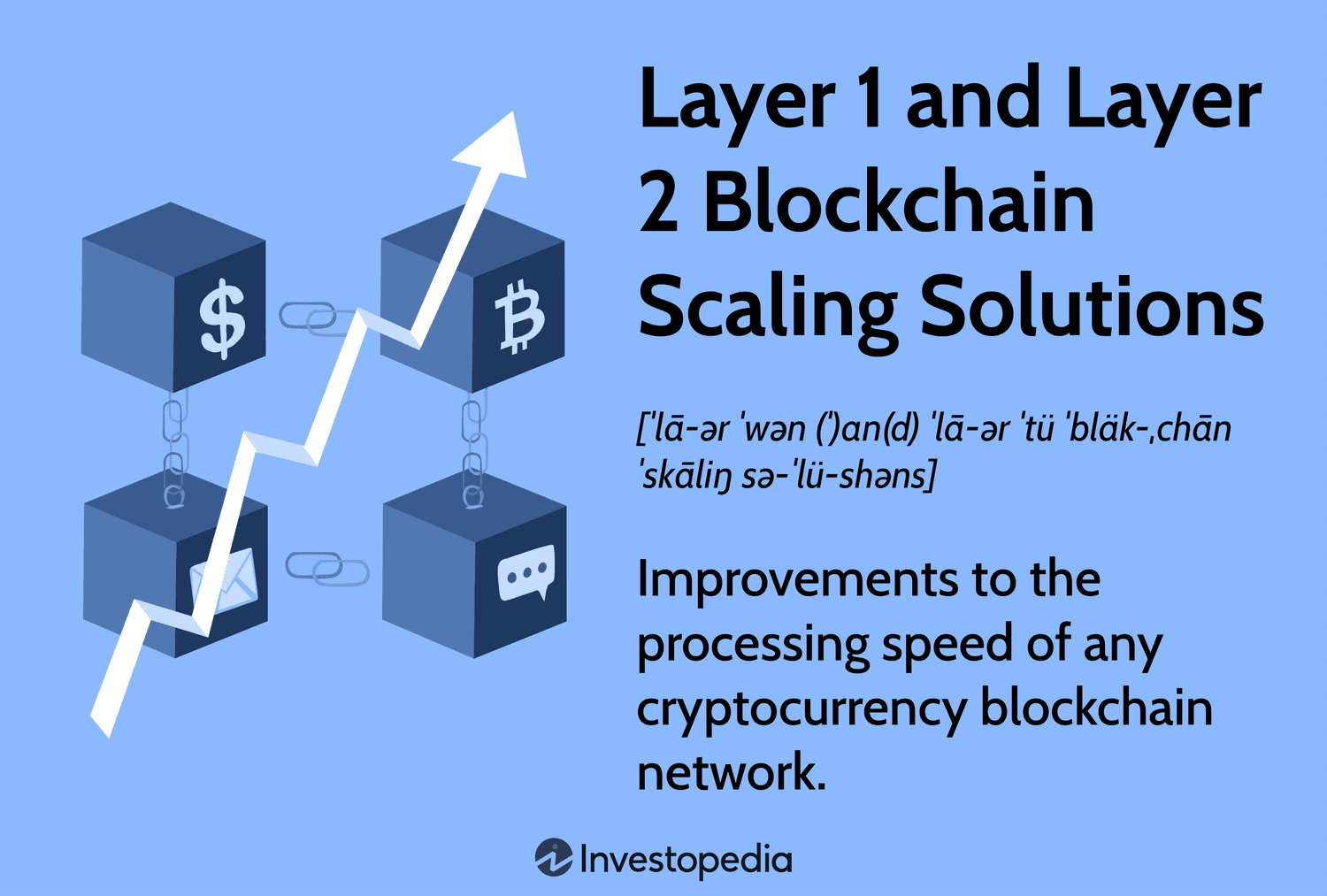
Bitcoin’s base layer has reached its capacity ceiling. For years, the network operated as a secure settlement rail, but the demand for fast, low-cost transactions has consistently outpaced its block space supply. This structural bottleneck creates a fundamental problem: as institutional adoption grows, the base layer becomes increasingly saturated, driving transaction fees to levels that make everyday use economically unviable. The result is a network that is highly secure but functionally rigid, unable to scale alongside the expanding global financial ecosystem.
The 2026 inflection point marks the transition of rollups from experimental sidechains to essential liquidity layers. This shift is not merely technological; it is a market-driven necessity. As traditional finance seeks to integrate digital assets, the friction of base-layer congestion becomes a critical barrier to entry. Rollups solve this by processing transactions off-chain and settling only the final state on Bitcoin, preserving security while dramatically increasing throughput. This architecture allows Bitcoin to function not just as digital gold, but as a dynamic settlement layer for a broader financial infrastructure.
Liquidity is currently fragmented across various Bitcoin-backed assets and sidechains, but true efficiency requires a unified, high-throughput environment. Rollups provide this by creating deep, liquid markets for wrapped Bitcoin and native applications without compromising the base layer’s integrity. The convergence of institutional capital and on-chain innovation is driving this migration. As seen in market analyses for 2026, the focus is shifting from mere speculation to utility-driven liquidity, where rollups serve as the primary venue for decentralized finance activity.
The risk of inaction is significant. Without scalable layer-two solutions, Bitcoin risks stagnation as a pure store of value, ceding the utility-driven financial sector to more flexible competitors. The move toward rollups is therefore a strategic imperative for maintaining Bitcoin’s relevance in a multi-chain future. By offloading transactional heavy lifting to layer-two networks, Bitcoin can maintain its role as the ultimate settlement layer while enabling the innovation and liquidity required for mass adoption.
Rollup Architectures Compared
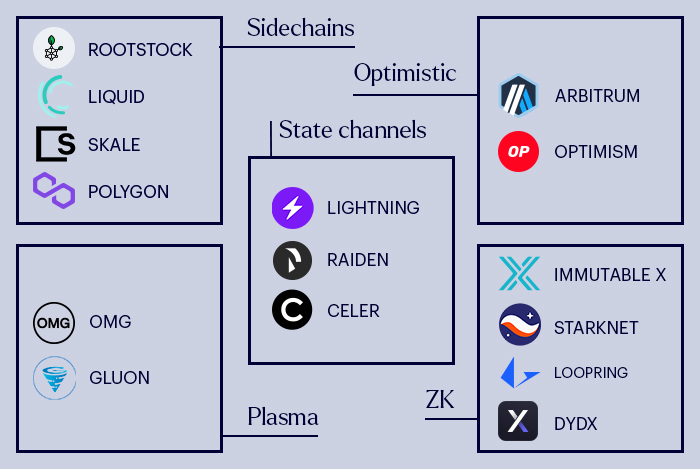
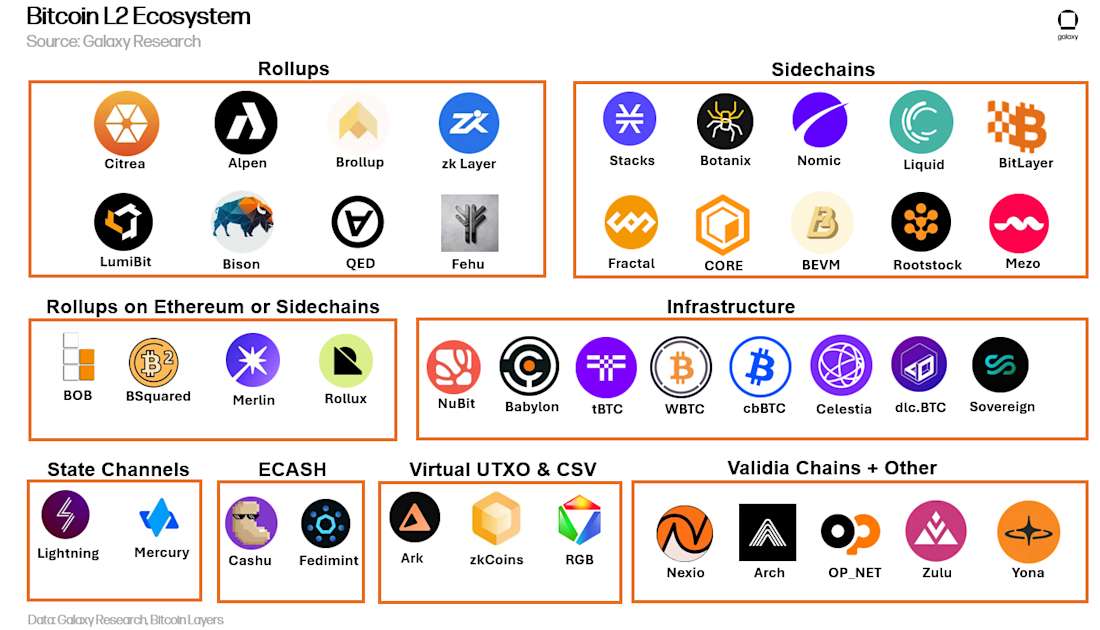
Bitcoin rollups have evolved into three distinct architectures, each offering a different trade-off between security, speed, and decentralization. As of 2026, the choice of rollup type is no longer just a technical preference but a fundamental decision about how liquidity settles on the Bitcoin network. Understanding the differences between ZK, Optimistic, and Sovereign rollups is critical for evaluating their long-term viability.
Zero-Knowledge (ZK) Rollups
ZK rollups process transactions off-chain and generate a cryptographic proof of validity that is verified on-chain. This model offers the highest level of security and finality, as the validity of the batch is mathematically guaranteed. However, the computational cost of generating these proofs remains high, and the complexity of integrating ZK circuits with Bitcoin’s scripting limitations is significant. Despite these hurdles, ZK rollups are gaining dominance because they align best with Bitcoin’s security-first ethos.
Optimistic Rollups
Optimistic rollups assume transactions are valid by default and only require a proof if a challenger disputes them. This approach is cheaper and faster to deploy, making it attractive for early-stage applications. However, the reliance on a fraud-proof window introduces a delay in finality, which can be problematic for high-frequency trading or time-sensitive liquidity movements. The security model is less robust than ZK, relying on the economic incentive for challengers to act, which can be a vulnerability in less liquid environments.
Sovereign Rollups
Sovereign rollups prioritize decentralization and censorship resistance by allowing the rollup to operate independently, with minimal on-chain verification. This model offers the greatest flexibility and lowest cost but sacrifices the direct security guarantees of the Bitcoin mainnet. They are often used for experimental or niche applications where Bitcoin’s full security is not required. The trade-off is a higher risk of centralization and a weaker link to the Bitcoin ecosystem’s overall stability.
Comparison of Rollup Types
The following table summarizes the key differences between the three main rollup architectures, highlighting their impact on speed, cost, security, and Bitcoin integration.
| Type | Speed | Cost | Security Model | Bitcoin Integration |
|---|---|---|---|---|
| ZK Rollup | High | High | High (Mathematical) | Complex |
| Optimistic Rollup | Medium | Low | Medium (Fraud Proofs) | Moderate |
| Sovereign Rollup | Very High | Very Low | Low (Independent) | Minimal |
Why ZK is Gaining Dominance
The shift toward ZK rollups in 2026 is driven by the need for immediate finality and robust security. As Bitcoin’s role in DeFi and institutional liquidity grows, the delays and risks associated with Optimistic and Sovereign models become less acceptable. ZK rollups provide a path to scale Bitcoin without compromising its core security principles, making them the preferred choice for high-stakes financial applications. This trend is likely to accelerate as ZK technology matures and integration costs decrease.
Liquidity Migration Patterns
Capital is no longer static; it is actively migrating from Ethereum Layer 2s and the Bitcoin base layer into Bitcoin-specific rollup ecosystems. This shift represents a structural revaluation of where value is stored and transacted. As Bitcoin L2s mature, they are beginning to siphon liquidity that previously remained dormant on the base chain or flowed exclusively through Ethereum's scaling solutions.
The migration is driven by the pursuit of yield and composability. Bitcoin rollups offer smart contract functionality that the base layer lacks, attracting developers and capital seeking higher efficiency. This movement is not merely speculative; it reflects a growing recognition that Bitcoin's utility extends beyond simple settlement. Institutions are increasingly allocating capital to these ecosystems to capture the upside of Bitcoin's expanding technological stack.
This liquidity shift has significant implications for the broader crypto market. It challenges Ethereum's dominance in the L2 space and forces a reevaluation of risk and reward across different chains. As capital flows into Bitcoin rollups, the liquidity crisis in other segments may ease, creating a more balanced and diversified market landscape. The trend suggests a future where Bitcoin is not just a store of value but a foundational layer for complex financial applications.
Stacks (STX)
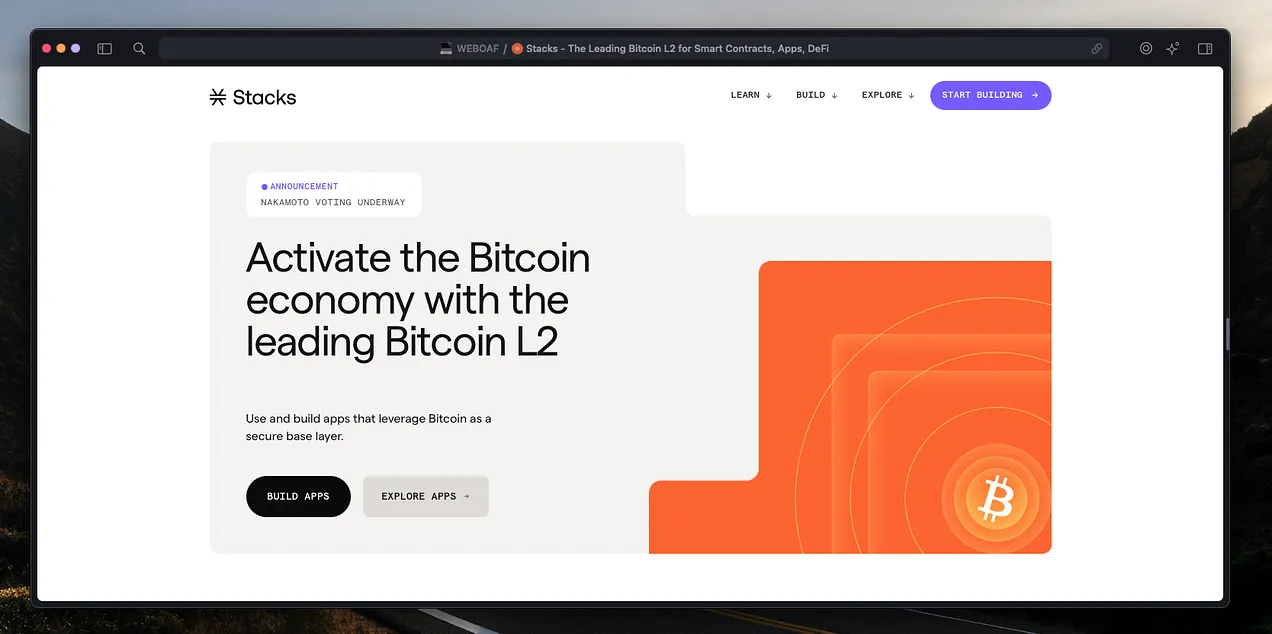
Stacks occupies a unique position in the Bitcoin rollup landscape by enabling smart contracts to run directly on the Bitcoin network. Unlike solutions that require moving Bitcoin to a separate chain, Stacks uses a consensus mechanism called Proof of Transfer (PoX) to inherit Bitcoin’s security. This allows developers to build decentralized applications (dApps) that settle finality on the Bitcoin mainnet, ensuring that liquidity and security remain anchored to the primary asset.
The project has evolved significantly since its inception, with recent upgrades focusing on increasing throughput and reducing transaction costs. By leveraging Bitcoin’s base layer for settlement, Stacks offers a distinct value proposition for institutions and developers who prioritize security over the raw speed of independent Layer 2 chains. The STX token serves as the primary gas currency and governance asset within the ecosystem.
| Feature | Stacks Implementation |
|---|---|
| Consensus | Proof of Transfer (PoX) |
| Settlement Layer | Bitcoin Mainnet |
| Smart Contract Language | Clarity |
| Security Model | Inherits Bitcoin Hashrate |
Investors and developers evaluating Bitcoin rollups often view Stacks as a bridge between traditional Bitcoin stability and modern DeFi utility. Its Clarity programming language provides formal verification, reducing the risk of smart contract vulnerabilities—a critical factor in high-stakes financial applications. As the Bitcoin rollup narrative matures, Stacks remains a primary candidate for projects requiring direct on-chain Bitcoin integration without custodial intermediaries.
Security, Regulation, and Centralization Risks
Bitcoin rollups promise scalability, but they inherit a high-stakes trilemma. Each layer introduces new vectors for failure, from smart contract vulnerabilities to regulatory ambiguity. The architecture is not yet battle-tested against coordinated attacks or state-level scrutiny. Before allocating capital or building on these protocols, you must understand where the fault lines lie.
Smart Contract and Bridge Vulnerabilities
Rollups rely on complex smart contracts to manage state transitions and bridge assets between Bitcoin and the Layer 2. These contracts are immutable once deployed, meaning any bug is a permanent liability. Historical precedent from Ethereum rollups shows that bridge exploits remain the most frequent and costly attack vector. A single vulnerability in the fraud-proof or validity-proof verification logic can drain liquidity or halt the entire network. Rigorous third-party audits are mandatory, but they are no guarantee of safety against novel attack vectors.
Regulatory Scrutiny and Legal Uncertainty
Regulators are still defining the legal status of rollup operators and sequencers. If a rollup is deemed a securities exchange or a money transmitter, it must comply with strict KYC/AML requirements. This could force rollups to centralize their user base, undermining the permissionless nature of Bitcoin. The SEC and other global bodies are watching closely. Any regulatory action against a major rollup operator could trigger a liquidity flight or force a protocol shutdown. The legal landscape is currently a gray zone, creating significant risk for long-term adoption.
Centralization in Sequencers
Most Bitcoin rollups currently rely on a single sequencer to order transactions. This creates a single point of failure and a potential censorship vector. If the sequencer operator is compromised or coerced, they can reorder, delay, or block transactions. While decentralized sequencer networks are being developed, they are not yet production-ready. Until decentralization is achieved, users must trust the sequencer operator with their transaction order and data availability. This centralization risk is a fundamental departure from Bitcoin’s decentralized ethos.
The path to a secure, compliant, and decentralized rollup ecosystem is long. Investors and developers must proceed with caution, prioritizing security and regulatory clarity over speed and scale.
Checklist for Evaluating Rollups
Assessing Bitcoin rollups requires treating them as financial instruments, not just code. Liquidity fragmentation is the primary risk; a rollup with no depth is a trap. Use the following framework to filter viable projects from speculative noise.
No comments yet. Be the first to share your thoughts!