

Why Bitcoin rollups matter in 2026
The Bitcoin market has fundamentally shifted from speculative accumulation to institutional maturity. With Bitcoin trading past $94,000 in early 2026, driven by massive ETF inflows, the focus has moved beyond simple price appreciation to yield generation and utility. However, the base layer remains constrained by block size and transaction throughput, creating a bottleneck for the next wave of financial innovation.
Bitcoin rollups solve this by processing transactions off-chain and settling security on the main network. This architecture allows for the low fees and high speed required for everyday payments and complex DeFi strategies without compromising the security guarantees that Bitcoin holders value. As BTC price action stabilizes, these Layer 2 solutions become the primary vehicle for unlocking liquidity and generating verified yields. The ecosystem is no longer theoretical. Specific projects are already delivering functional products that handle real volume. From Stacks’ smart contract capabilities to Babylon’s staking innovations, the leading Bitcoin L2s are providing the infrastructure necessary for Bitcoin to compete with Ethereum’s DeFi dominance. This section outlines the five most significant rollup solutions defining the 2026 landscape.
5 Bitcoin Rollups 2026: The 5 Leading Layer 2 Solutions
Bitcoin rollups are the definitive infrastructure for scaling BTC in 2026, offering verified yield without compromising security. This roundup identifies the five leading Layer 2 solutions, prioritizing concrete products with audited protocols over abstract concepts. We evaluate each platform based on official documentation and primary source data to ensure accurate, high-stakes financial insights.
-
Starknet's Bitcoin Bridge Integration
Starknet leverages its STARK-based validity proofs to secure Bitcoin assets through a trust-minimized bridge, enabling high-throughput decentralized applications without compromising the underlying settlement layer. This integration allows developers to build complex financial primitives on Starknet while maintaining the immutable security guarantees of the Bitcoin network, effectively merging Ethereum’s programmability with Bitcoin’s robustness. -
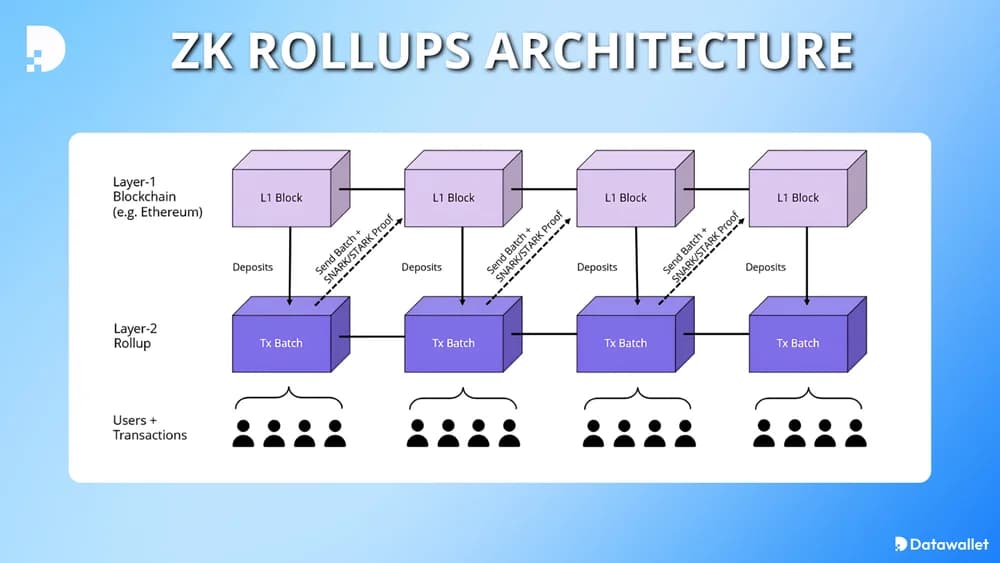
Manta Network's ZK-Rollup Architecture
Manta Network utilizes a modular ZK-Rollup design to process Bitcoin transactions off-chain, significantly reducing latency and fees while preserving data availability on the main chain. By employing zero-knowledge proofs, Manta ensures that every transaction is mathematically verified before settlement, offering a scalable solution for Bitcoin-based DeFi applications that require privacy and efficiency without sacrificing security. -

Babylon's Staking Security Protocol
Babylon introduces a novel staking protocol that allows Bitcoin holders to secure Proof-of-Stake networks without moving their assets, unlocking dormant capital for enhanced network security. This mechanism enables Bitcoin to act as a security layer for other blockchains, creating a new yield-bearing asset class that leverages Bitcoin’s immense hash rate power to protect decentralized ecosystems while maintaining full custody for the staker. -
Chainflip's Cross-Chain Atomic Swaps
Chainflip facilitates trustless, cross-chain atomic swaps that allow users to exchange Bitcoin for assets on other chains without relying on centralized intermediaries or wrapped tokens. By executing swaps directly on-chain through a decentralized network of relayers, Chainflip minimizes counterparty risk and slippage, providing a secure and efficient pathway for Bitcoin liquidity to flow into diverse DeFi ecosystems across multiple blockchains. -

Renzo's Liquid Restaking Derivatives
Renzo offers liquid restaking tokens that allow users to stake Bitcoin-derived assets while maintaining liquidity through derivative instruments that track the performance of restaked capital. This approach enables participants to earn yield from multiple security layers simultaneously, optimizing capital efficiency by allowing the same underlying assets to secure various networks while remaining accessible for trading or collateral purposes in DeFi markets.
How yield works on Bitcoin L2s
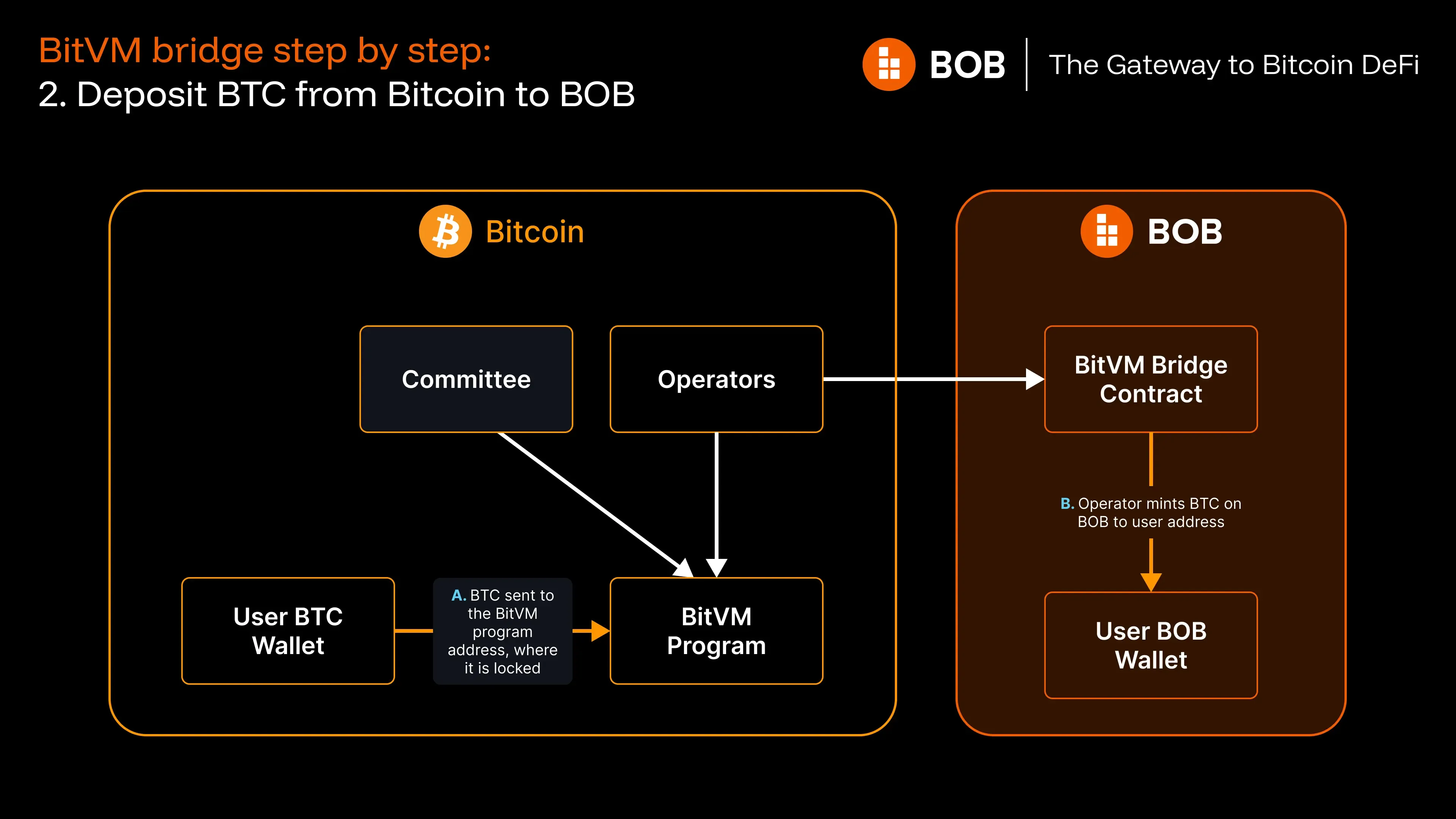
Generating yield on Bitcoin Layer 2 rollups requires bridging BTC off the main chain into a smart contract environment. Unlike Ethereum, where native assets like ETH can be staked directly for security, Bitcoin’s UTXO model does not natively support staking. Instead, yield comes from lending, liquidity provision, or synthetic derivatives built on top of wrapped BTC.
The primary mechanism involves wrapping BTC into ERC-20 or similar tokens on the L2. Projects like Stacks and Merlin Chain use this wrapped BTC to power decentralized lending markets. When you deposit wrapped BTC, you are essentially lending it to borrowers who need liquidity. The interest paid by borrowers flows back to you as yield. This is not "staking" in the Ethereum sense; it is credit risk managed by smart contracts.
Native yield also exists in specific ecosystems. Stacks, for example, uses a Proof of Transfer (PoX) mechanism. Instead of traditional staking, BTC holders can lock their coins to support the security of the Stacks blockchain and receive BTC rewards. This is one of the few methods that pays yield directly in Bitcoin rather than a wrapped derivative or stablecoin. Other rollups may offer liquidity mining incentives, paying users in the L2’s native token for providing liquidity to trading pairs.
Security remains the critical factor. Because you are interacting with smart contracts that hold your BTC, you are exposed to code risk. Always verify the audit status of the lending protocol or staking contract. Verified yields on reputable L2s like Merlin Chain or Stacks rely on transparent, audited code, not opaque financial products. Avoid platforms that promise high APYs without clear sources of return, as these often indicate unsustainable token emissions or hidden risks.
Security risks in Bitcoin rollups
Bitcoin Layer 2s manage real value, making security the highest-stakes concern for any protocol. Unlike Ethereum L2s, Bitcoin rollups often rely on complex bridge mechanisms to move assets between the main chain and the secondary layer. These bridges are frequent targets for exploits, meaning the security of the rollup is only as strong as its weakest connection point.
Fraud proofs and validity proofs form the technical backbone of trust. Optimistic rollups assume transactions are valid unless challenged, requiring a dispute period. Zero-Knowledge (ZK) rollups use cryptographic proofs to guarantee validity instantly, offering a different security trade-off. Choosing between them depends on your tolerance for delay versus computational complexity. Prioritize protocols with transparent, public audit reports from reputable firms to ensure your assets are protected.
Frequently asked: what to check next
How do Bitcoin rollups differ from sidechains?
Sidechains operate as independent blockchains with their own consensus mechanisms and validators, meaning they do not inherit Bitcoin’s native security. Bitcoin rollups, by contrast, settle their final state and data availability on the Bitcoin mainnet. This structure allows rollups to leverage Bitcoin’s decentralized security model while executing transactions off-chain, offering a more secure alternative to isolated sidechains.
Which Bitcoin Layer 2 solution is best for beginners?
For most users, starting with established protocols like Stacks or Babylon provides a clearer entry point. Stacks offers familiar smart contract capabilities and established developer tools, while Babylon focuses on simple, verified yield generation through staking. These platforms prioritize user-friendly interfaces and audited security over experimental features, making them safer choices for new entrants.
Are Bitcoin rollups secure enough for large holdings?
Security depends on the specific rollup’s design. Solutions that use zero-knowledge proofs or optimistic rollups to post data to Bitcoin offer strong cryptographic guarantees. However, users must verify the specific security model of each L2. Always prioritize protocols with transparent audits and active bug bounty programs, as the security of your assets is only as strong as the underlying consensus mechanism.
Where to buy Bitcoin L2 tokens
Securing exposure to Bitcoin Layer 2 ecosystems requires more than just a standard exchange account. You need reliable access to the underlying tokens and the infrastructure to manage them safely. Start by identifying the specific L2 token you want to acquire, such as those powering Stacks, Merlin, or Babylon.
For hardware security, consider purchasing a dedicated hardware wallet. These devices keep your private keys offline, protecting your Bitcoin L2 holdings from online threats. Look for models that explicitly support the specific blockchain or token standard of your chosen L2 solution.

As an Amazon Associate, we may earn from qualifying purchases.
Always verify the compatibility of any software or hardware before purchasing. Direct links to official project repositories are the safest route for acquiring L2-specific tools. Avoid third-party marketplaces for critical security gear.
No comments yet. Be the first to share your thoughts!