
The Bitcoin L2 scaling landscape
Bitcoin Layer 2 development has split into two distinct tracks: payment layers and smart contract rollups. Lightning Network remains the dominant payment layer, handling fast, low-cost transactions for everyday use. Meanwhile, smart contract rollups are emerging as the primary vehicle for complex on-chain applications, aiming to bring Ethereum-like functionality to Bitcoin.
The distinction matters because each approach serves different needs. Lightning excels at microtransactions and instant payments but lacks the programmability required for decentralized finance (DeFi) or non-fungible tokens (NFTs). Rollups, by contrast, bundle transactions off-chain and post proofs to Bitcoin, enabling smart contracts while preserving security. This separation allows developers to choose the right tool for the job, rather than forcing all use cases into a single protocol.
As of 2026, the race to scale Bitcoin is no longer about choosing one path. Projects like Stacks, Rootstock, Liquid, Citrea, Botanix, and Bitlayer are pushing rollup technology forward, each with unique trade-offs in security, decentralization, and speed. The focus has shifted from whether Bitcoin can support smart contracts to how efficiently it can do so without compromising its core value proposition.
This evolution is driven by macro trends and shifting liquidity. As Bitcoin cycles through phases of growth and correction, developers are building infrastructure that can withstand volatility while offering real utility. The result is a more robust ecosystem where Bitcoin is not just a store of value, but a platform for innovation.
Citrea and the ZK rollup approach
Citrea represents a distinct path for scaling Bitcoin by utilizing zero-knowledge (ZK) rollup technology. Unlike optimistic rollups that rely on fraud proofs, ZK rollups generate cryptographic validity proofs for every batch of transactions. This architecture allows Citrea to achieve near-instant finality while maintaining the same security guarantees as the underlying Bitcoin blockchain. By bundling transactions off-chain and submitting a single proof on-chain, Citrea significantly reduces congestion and lowers fees for users.
The project’s design prioritizes seamless integration with the Bitcoin ecosystem. It leverages the Bitcoin security layer to secure its state, ensuring that users do not have to trust a centralized operator. This approach addresses the long-standing desire for smart contract functionality on Bitcoin without compromising its decentralized nature. As a primary contender for 2026, Citrea aims to bridge the gap between Bitcoin’s security and the speed required for modern decentralized applications.
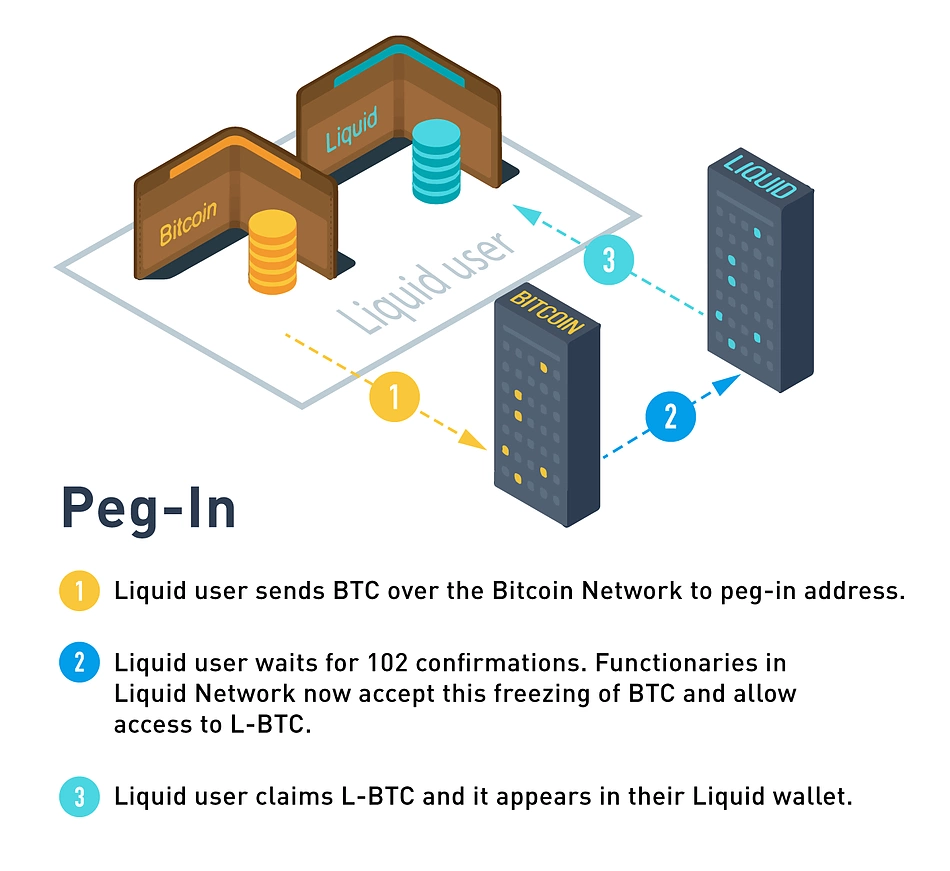
To understand the broader market context, it is helpful to look at the asset being secured. The following widget provides the current price of Bitcoin, the foundational layer that these rollups aim to enhance.
Stacks and OP-Secured Rollups
Stacks stands as the most established player in the Bitcoin Layer 2 ecosystem, leveraging OP-Secured (optimistic) rollup technology to extend Bitcoin’s capabilities without compromising its security model. By anchoring rollup state to the Bitcoin blockchain, Stacks allows developers to write smart contracts in Clarity, a language designed specifically to prevent common vulnerabilities like reentrancy attacks. This maturity makes it a preferred choice for projects prioritizing security over raw transaction speed.
The network’s throughput remains modest compared to newer high-performance rollups, but its primary value lies in its proven track record and deep integration with the Bitcoin economy. Unlike fully optimistic rollups that rely solely on fraud proofs, Stacks uses a unique proof-of-transfer (PoX) mechanism that rewards Bitcoin holders who lock their BTC to support the Stacks network. This alignment of incentives has helped sustain a robust developer community and a growing array of decentralized applications (dApps) focused on DeFi and NFTs.
While Bitcoin’s price action fluctuates, the underlying infrastructure for scaling continues to evolve. Stacks offers a stable, secure environment for building on Bitcoin, even if it sacrifices some of the scalability benefits offered by newer, more aggressive rollup designs.
Bitlayer and emerging competitors
While established networks like Stacks and Rootstock have defined the initial wave of Bitcoin scaling, newer entrants are pushing the technology further. Bitlayer stands out by prioritizing parallel execution, a method that processes multiple transactions simultaneously rather than in a strict sequence. This approach significantly reduces congestion during peak market activity, offering throughput that legacy rollups struggle to match.
The competitive landscape is shifting as projects like Botanix and Citrea carve out specific niches. Botanix focuses on native Bitcoin DeFi protocols that require minimal bridging, appealing to users who prioritize security over speed. Meanwhile, Citrea is building a modular infrastructure designed to support high-frequency trading applications. These specialized approaches suggest that a one-size-fits-all solution is unlikely to dominate the ecosystem.
Investors should note that newer Layer 2s often operate with less mature security models than their predecessors. The rapid iteration of these protocols introduces unique smart contract risks that have not yet been stress-tested over long periods. As the market matures, the gap between experimental rollups and production-ready networks will likely widen.
Market context
The performance of these scaling solutions is closely tied to broader Bitcoin market sentiment. As liquidity flows into the ecosystem, the demand for low-cost, high-speed transactions will drive adoption. The current technical setup for Bitcoin suggests a period of consolidation, which often precedes significant infrastructure upgrades.
Comparing throughput and security
Bitcoin rollups trade off speed for varying degrees of security isolation. While the base layer prioritizes immutability, Layer 2 solutions attempt to balance transaction throughput with finality guarantees. Understanding these technical differences is essential for evaluating which Bitcoin Layer 2 project fits specific use cases.
The table below compares the core metrics for three prominent rollups: Citrea, Stacks, and Bitlayer. These figures highlight the distinct approaches to sequencing and settlement.
| Project | Max TPS | Finality Time | Security Model |
|---|---|---|---|
| Citrea | 1,000+ | ~10 minutes | Bitcoin-anchored ZK |
| Stacks | ~10-20 | ~30 minutes | PoX Stacking |
| Bitlayer | 10,000+ | ~10 minutes | Bitcoin-anchored ZK |
Citrea and Bitlayer both leverage zero-knowledge proofs to achieve higher throughput, settling batches directly on Bitcoin. This approach reduces costs significantly compared to native transactions. Stacks, however, uses a different consensus mechanism (PoX) that anchors to Bitcoin’s hash rate but operates on a separate block interval, resulting in lower throughput but a unique security model based on staked BTC.
Bitcoin price outlook for 2026
Bitcoin’s 2026 trajectory hinges on whether Layer 2 adoption translates into tangible value accrual. While rollups expand utility, the broader market remains cautious. Deutsche Bank’s recent consumer survey suggests the anticipated price comeback may be delayed, noting that recent gains are precarious and lack broad-based conviction [[src-serp-3]].
Institutional flows tell a mixed story. Despite $20 billion in inflows, prices have remained muted, according to 21Shares’ State of Crypto Report [[src-serp-7]]. The BTC-to-gold ratio has reverted to early-2025 levels, indicating that Bitcoin is currently lagging in its role as a store of value. This divergence between capital inflow and price action suggests the market is digesting the new utility without immediately repricing the asset.
Forecasting tools point to a volatile year. Changelly’s technical indicators project a modest 3.86% increase, targeting $83,203 by mid-2026, while the Fear & Greed Index hovers in the "Fear" zone at 43 [[src-serp-3]]. With over 1.32 million BTC still to be mined, the supply shock dynamics are shifting from issuance reduction to demand absorption. The price outlook for 2026 is not defined by a single breakout, but by the slow grind of L2-driven utility meeting institutional skepticism.
Common questions about Bitcoin L2s
Investors are navigating mixed signals in 2026. While Deutsche Bank notes that recent gains may be precarious, others point to significant institutional inflows as a sign of underlying strength. Here are answers to the most frequent questions about Bitcoin’s trajectory and supply.
No comments yet. Be the first to share your thoughts!