
What are Bitcoin rollups?
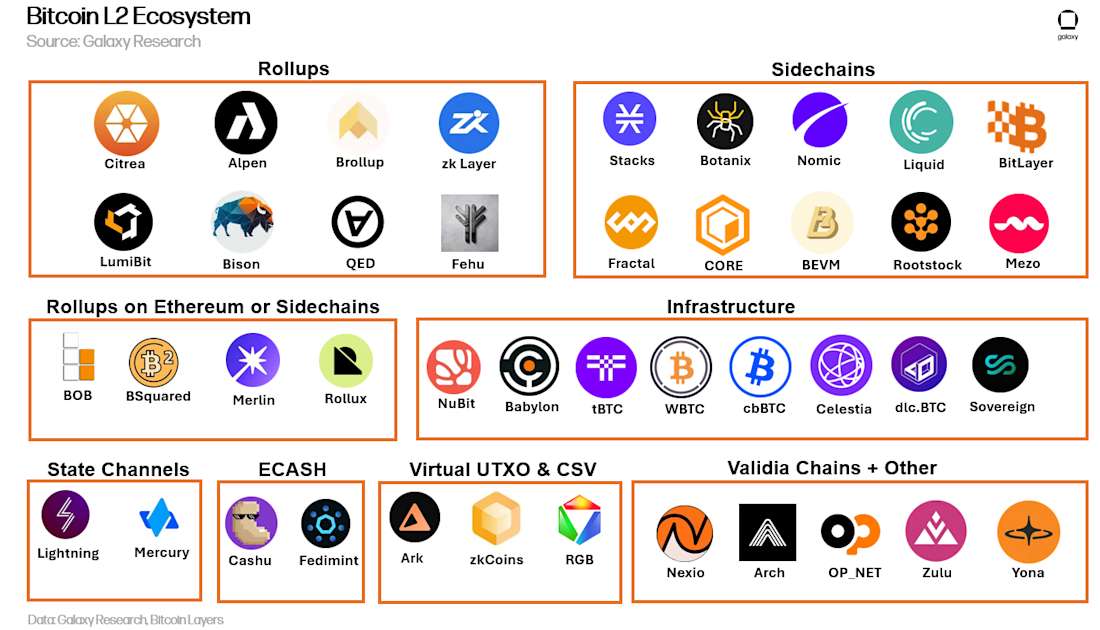
Bitcoin rollups are layer-2 scaling solutions that process transactions off the main Bitcoin blockchain while using Bitcoin’s base layer solely for data availability and final settlement. This architecture allows for significantly higher throughput and lower fees compared to executing smart contracts directly on the Bitcoin mainnet.
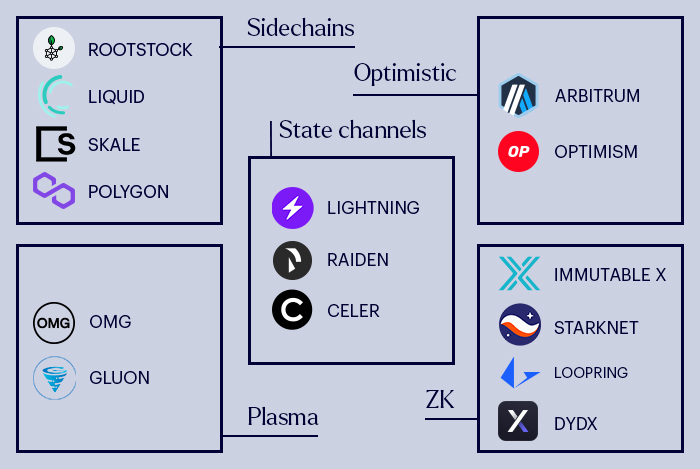
Unlike sidechains, which operate as independent blockchains with their own consensus mechanisms and validators, rollups remain tightly coupled to Bitcoin. They rely on the Bitcoin network to secure the validity of transactions. This distinction is critical: sidechains introduce separate security models that can be vulnerable to attacks, whereas rollups inherit Bitcoin’s proof-of-work security for settlement.
As of 2026, the ecosystem is primarily divided into three categories: Optimistic rollups, which assume transactions are valid unless proven otherwise; Zero-Knowledge (ZK) rollups, which use cryptographic proofs to verify batches instantly; and Sovereign rollups, which prioritize decentralization by allowing users to independently verify data without relying on third-party sequencers.
Optimistic vs ZK vs Sovereign rollups
Bitcoin L2 scaling is not a single path. Three architectures dominate the current landscape: Optimistic, Zero-Knowledge (ZK), and Sovereign rollups. Each offers a different trade-off between security guarantees, transaction speed, and data availability. Understanding these distinctions is essential for evaluating which solution fits specific use cases.
Optimistic Rollups
Optimistic rollups assume transactions are valid by default. They post compressed data to Bitcoin and only perform computation off-chain. If a challenger detects fraud, they can submit a proof to invalidate the state within a challenge window, typically seven days. This model prioritizes simplicity and EVM compatibility over immediate finality. Projects like Stacks and Merlin Chain utilize this approach to bring smart contracts to Bitcoin.
Zero-Knowledge (ZK) Rollups
ZK rollups use cryptographic proofs to validate every transaction batch. Instead of waiting for a challenge period, validity is proven mathematically before data is posted. This results in faster withdrawal times and stronger security assumptions, as validity is verified instantly rather than assumed. However, generating ZK proofs is computationally expensive and complex. Solutions like BitVM-based rollups and Aztec aim to bring this high-assurance model to Bitcoin.
Sovereign Rollups
Sovereign rollups delegate data availability and sequencing to independent validators rather than relying solely on the base layer. They often use a separate consensus mechanism for ordering transactions, which can improve throughput but introduces new trust assumptions. This model is gaining traction for applications requiring high speed and customizable governance, though it may offer weaker security guarantees compared to ZK or Optimistic models.
Comparison of Rollup Architectures
The table below summarizes the core differences between the three main rollup types.
| Feature | Optimistic | ZK | Sovereign |
|---|---|---|---|
| Security Model | Fraud proofs | Validity proofs | Consensus-dependent |
| Withdrawal Time | 7 days | Minutes | Varies |
| Data Availability | Bitcoin L1 | Bitcoin L1 | Independent/L1 |
| Complexity | Lower | Higher | Medium |
| EVM Compatibility | High | Medium | Low |
Market Context
Bitcoin's price action remains the primary driver for L2 activity. When BTC trends upward, developer interest and user deposits in rollups typically follow.
Data availability and security choices that change the plan
Data availability (DA) is the backbone of any Bitcoin rollup. It ensures that the transaction data required to verify state transitions is publicly accessible. Without it, the rollup cannot prove its validity to the Bitcoin network, rendering the layer useless. The choice of DA layer determines the fundamental security model and cost structure of the solution.
On-chain vs. off-chain data
The primary tradeoff lies between storing data on the Bitcoin mainnet versus using external DA layers. On-chain DA offers maximum security because the data is protected by Bitcoin’s consensus. However, this comes at a high cost due to block space limitations. Off-chain DA solutions, such as distributed networks or blob storage, significantly reduce fees. The risk here is centralization; if the DA provider goes offline or censors data, the rollup’s validity is compromised.
Verifiable information dispersal
Recent research into Permissionless Verifiable Information Dispersal (VID) aims to bridge this gap. VID allows nodes to verify that data has been dispersed across a network without downloading the entire dataset. This approach can offer the security benefits of decentralization with the efficiency of off-chain storage. For Bitcoin rollups, adopting VID-based DA could lower costs while maintaining a robust security posture, provided the network remains sufficiently distributed.
Market outlook and adoption signals
Bitcoin rollups are entering a market cycle defined by shifting liquidity and renewed institutional interest. As 2026 progresses, the broader crypto landscape is moving beyond speculative trading toward infrastructure maturity. This transition creates a specific environment where Bitcoin Layer 2 solutions can demonstrate tangible utility rather than just technical novelty.
The current macro-driven Bitcoin cycle is setting the tone for crypto's next phase. Emerging onchain innovation is converging with traditional finance interest, creating demand for scalable settlement layers. Bitcoin Suisse notes that recent market forces are driving a more data-driven approach to asset allocation, favoring protocols with clear revenue models and active user bases.
Institutional capital is increasingly looking for yield opportunities within the Bitcoin ecosystem. Rollups offer a pathway to generate this yield through decentralized applications and financial services without sacrificing the security guarantees of the base layer. This dynamic is attracting developers who prioritize sustainability and long-term viability over short-term hype.
Choosing a Bitcoin L2 strategy
Selecting a Bitcoin Layer 2 solution depends on balancing security guarantees against transaction speed and cost. The current landscape features three primary architectures: Optimistic, Zero-Knowledge (ZK), and Sovereign rollups, each serving different user needs [[src-serp-2]]. Understanding these distinctions helps you pick the right tool for your specific transaction volume and security requirements.
Zero-Knowledge rollups are the best choice for high-value transactions or institutional users who need maximum security. By generating cryptographic proofs that are verified on-chain, ZK rollups offer immediate finality and the highest level of trustlessness. This makes them ideal for applications where settlement speed is less critical than absolute data integrity and security guarantees.
Optimistic rollups are better suited for high-frequency trading or everyday payments where lower fees and faster processing are priorities. They assume transactions are valid by default, only requiring proof if a fraud challenge is raised. This model results in lower costs and higher throughput, though users must wait for a withdrawal period (typically 7 days) to ensure the network is free of fraud.
Sovereign rollups offer a middle ground, allowing developers to customize their execution environment while still anchoring data availability to Bitcoin. This approach is ideal for specialized applications that need more control over their state machine but still want the security benefits of Bitcoin’s base layer. However, users should carefully review the specific security assumptions of each sovereign project.
| Rollup Type | Security Level | Finality | Best Use Case |
|---|---|---|---|
| ZK | High | Immediate | High-value transfers |
| Optimistic | Medium | Delayed (7 days) | High-frequency trading |
| Sovereign | Custom | Varies | Specialized apps |
No comments yet. Be the first to share your thoughts!