

As Bitcoin surges to $72,287.00, marking a 6.09% gain over the past 24 hours with a high of $73,984.00 and low of $68,088.00, its scalability remains a critical bottleneck. GOAT Network Bitcoin rollup emerges as a pragmatic solution, enabling off-chain execution for BTC scaling without chain changes. This Bitcoin-native zk-rollup leverages BitVM2, zkMIPS, and decentralized sequencers to aggregate transactions efficiently while anchoring security to Bitcoin's base layer.
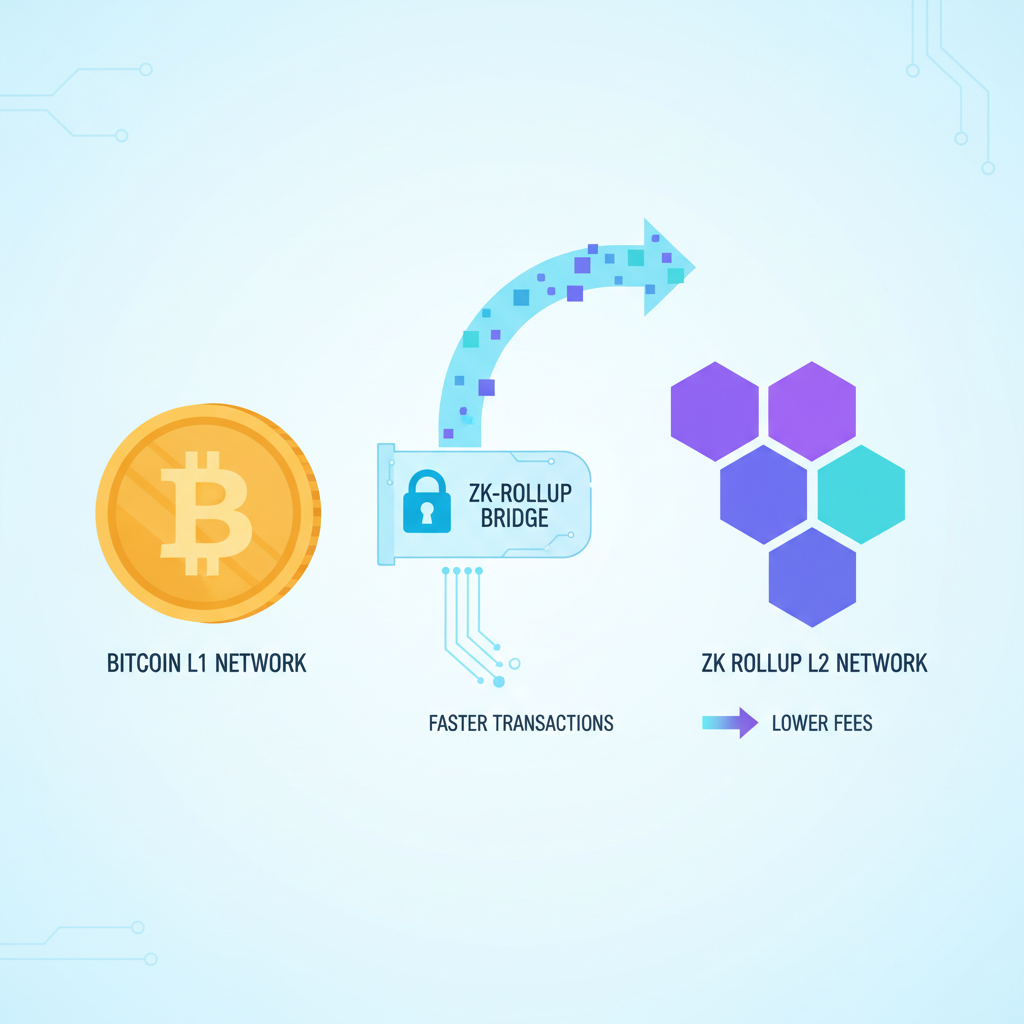
GOAT Network stands out in the crowded field of Bitcoin Layer 2 solutions by prioritizing self-custody and native BTC utility. Unlike wrapped tokens or centralized custodians, it processes transactions off-chain, batches them into zero-knowledge proofs, and settles on Bitcoin. This Bitcoin rollup off-chain execution model scales usage without compromising decentralization or turning BTC into an IOU.
Architecture of GOAT Network's ZK Rollup
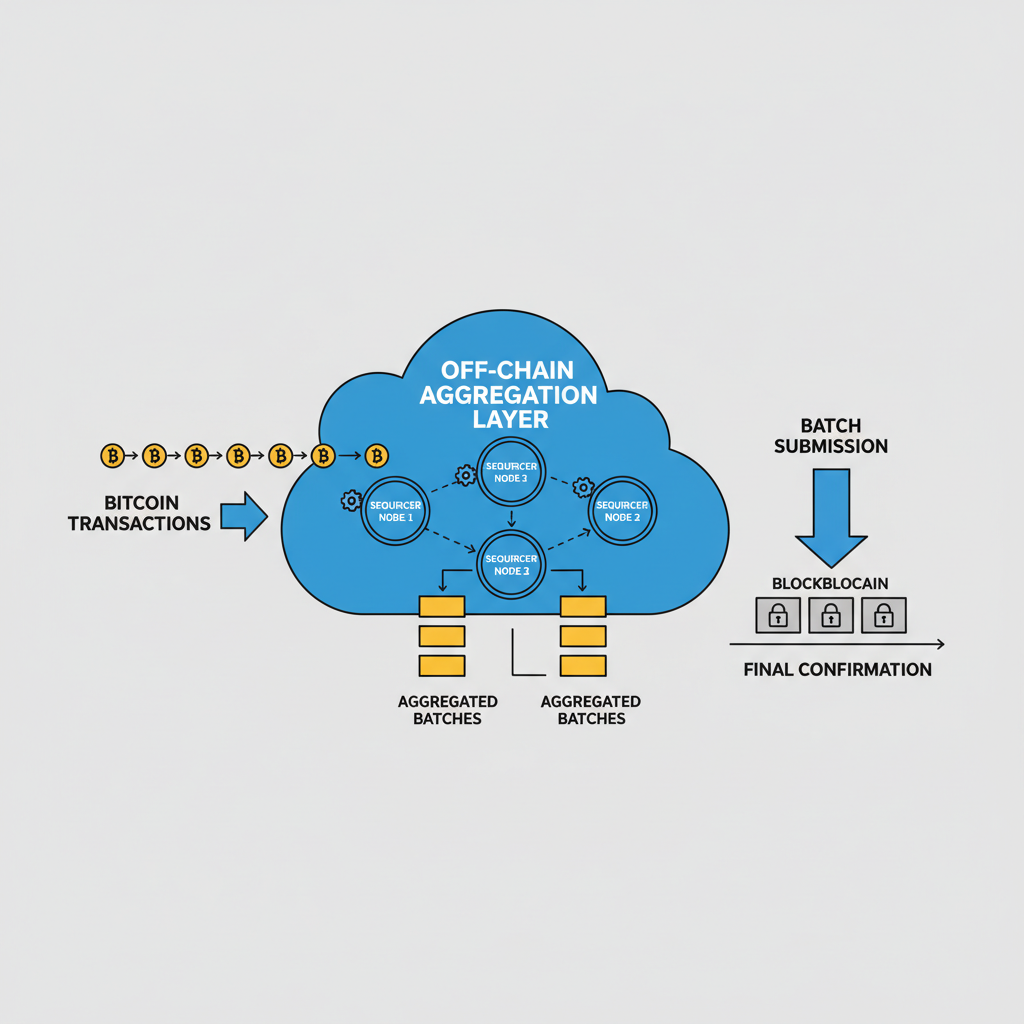
At its core, GOAT Network utilizes ZKM's Entangled Rollup technology to handle high-throughput transactions. Users deposit native BTC via a trust-minimized bridge, execute smart contracts in a zkMIPS virtual machine, and sequencers propose compressed state updates. Decentralized sequencers rotate roles through a multi-round random challenge mechanism, slashing malicious actors and distributing rewards to honest participants.
This setup compresses BitVM2's challenge period from 14 days to under one day on their May 2025 testnet launch. Fully open-source code invites developers to stake, challenge, and bridge, fostering rapid iteration toward mainnet. In my analysis, this performant architecture positions GOAT Network BTC L2 as the closest to production-ready among Bitcoin scaling rollups in 2026.

Technological Pillars: BitVM2, zkMIPS, and Sequencer Decentralization
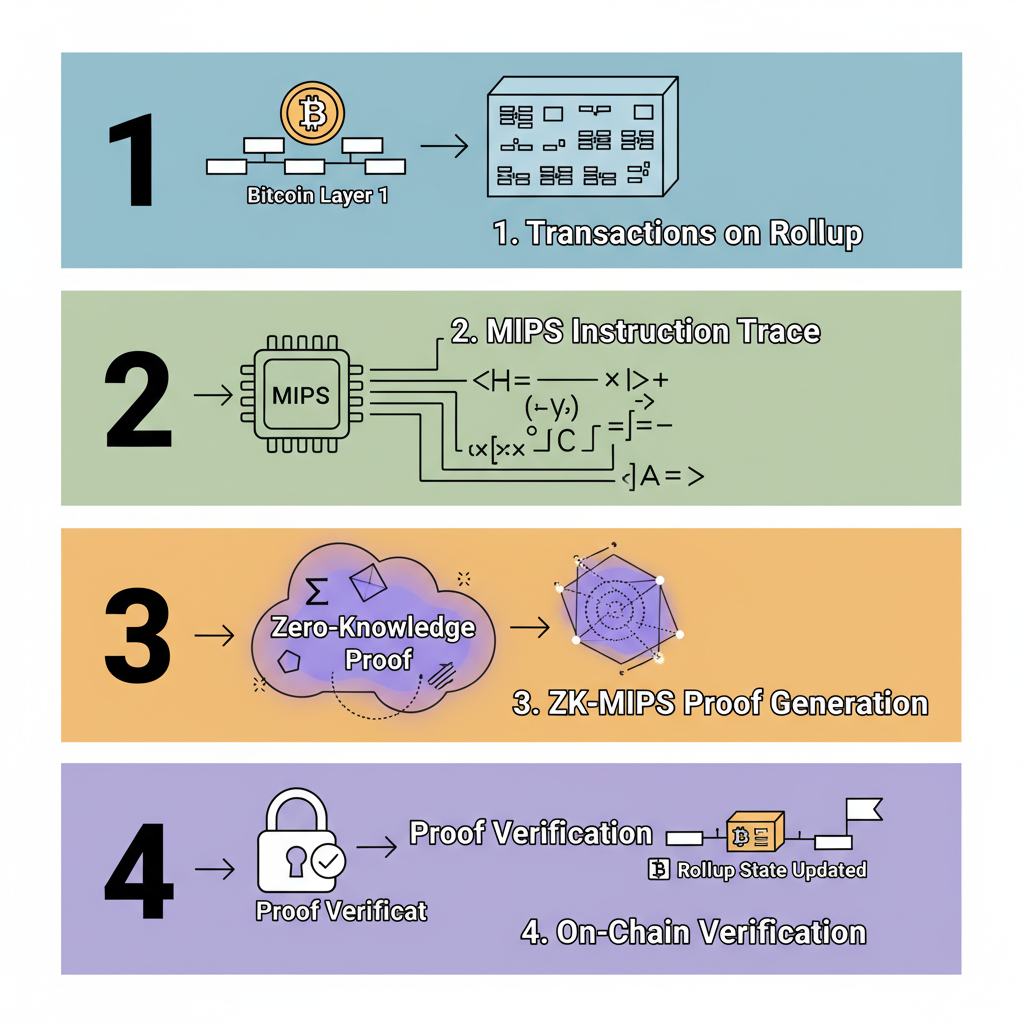
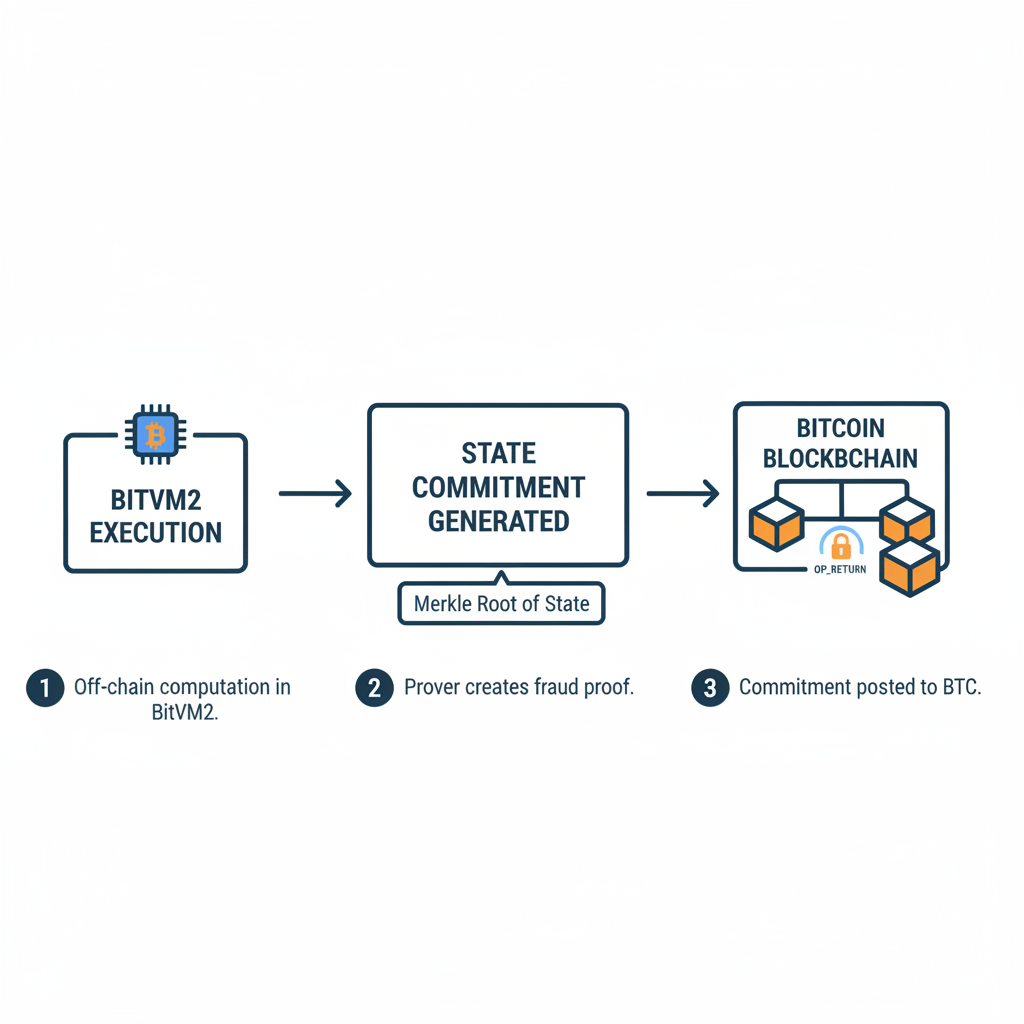
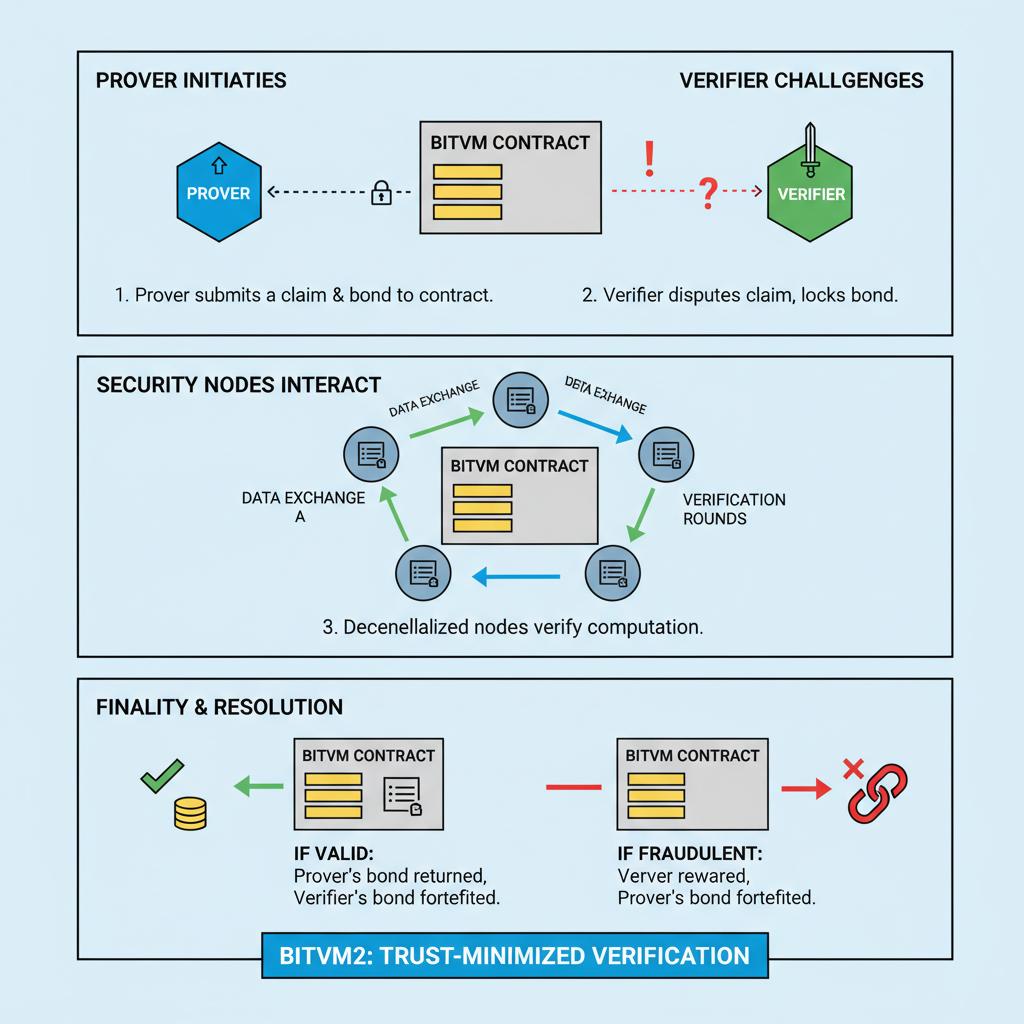
BitVM2 serves as the fraud-proof backbone, enabling verifiable computation without Bitcoin protocol upgrades. zkMIPS, a zero-knowledge implementation of the MIPS instruction set, compiles general-purpose code into succinct proofs, unlocking DeFi, yield farming, and NFTs on Bitcoin. Decentralized sequencers prevent single points of failure; their rotation via on-chain randomness ensures permissionless entry and economic alignment.
GOAT Network is fundamentally a Bitcoin scaling ecosystem built to unlock BTC's financial utility through secure, yield-generating applications.
These elements combine for scale Bitcoin with rollups that maintain base-layer security. Transactions settle in blocks with finality inherited from Bitcoin, supporting thousands of TPS at fractions of on-chain fees. For BTC holders, this means native yield at scale without expanded risk, as detailed in their practical guides.
Economic Model Driving Sustainability
GOAT Network's ZK rollup economic model, outlined in their white paper, introduces rotating roles and incentives for cost efficiency and fairness. Sequencers, provers, and challengers earn $GOATED tokens proportional to contributions, with penalties for downtime or invalid proofs. Post-TGE in September 2025 on Binance Alpha, this model funds development while bootstrapping liquidity.
Their post-TGE outlook emphasizes Q4 2025 infrastructure builds into 2026, targeting production-ready deployment. Incentives align participants toward long-term Bitcoin scaling, avoiding short-term extractive mechanics common in other L2s.
GOAT Network (GOATED) Price Prediction 2027-2032
Forecasts based on Bitcoin L2 adoption, ZK Rollup advancements, BTC price growth to $100K+, and market cycles
| Year | Minimum Price | Average Price | Maximum Price | YoY % Change (Avg) |
|---|---|---|---|---|
| 2027 | $2.50 | $4.00 | $6.50 | +116% |
| 2028 | $4.00 | $7.00 | $12.00 | +75% |
| 2029 | $6.00 | $11.00 | $18.00 | +57% |
| 2030 | $9.00 | $16.00 | $25.00 | +45% |
| 2031 | $12.00 | $22.00 | $35.00 | +38% |
| 2032 | $16.00 | $30.00 | $48.00 | +36% |
Price Prediction Summary
GOAT Network ($GOATED) is expected to experience robust growth from 2027-2032, with average prices climbing from $4.00 to $30.00, fueled by Bitcoin scaling demand, testnet success, TGE momentum, and ZK tech maturity. Bullish max scenarios assume BTC at $200K+ and high L2 TVL; bearish mins reflect regulatory hurdles or market downturns.
Key Factors Affecting GOAT Network Price
- Bitcoin halving cycles and price surges driving L2 demand
- GOAT Network's zkMIPS, BitVM2 testnet, and decentralized sequencers adoption
- Regulatory clarity for BTC L2s and DeFi yield applications
- Competition from other BTC scaling solutions like Stacks or Lightning
- Overall crypto bull markets and BTC correlation at $72K baseline
- Technological milestones: mainnet launch, Binance listings, and economic model incentives
Disclaimer: Cryptocurrency price predictions are speculative and based on current market analysis. Actual prices may vary significantly due to market volatility, regulatory changes, and other factors. Always do your own research before making investment decisions.
In practice, this creates a flywheel: higher usage lowers per-transaction costs, attracting more BTC to the ecosystem. As Bitcoin hovers at $72,287.00, GOAT Network's approach could capture significant TVL, especially with open testnet participation proving resilience.
Developers already bridging BTC on the open testnet report seamless staking and challenging, validating the system's robustness under load. This hands-on accessibility accelerates adoption among BTC holders seeking yield without custodial risks.
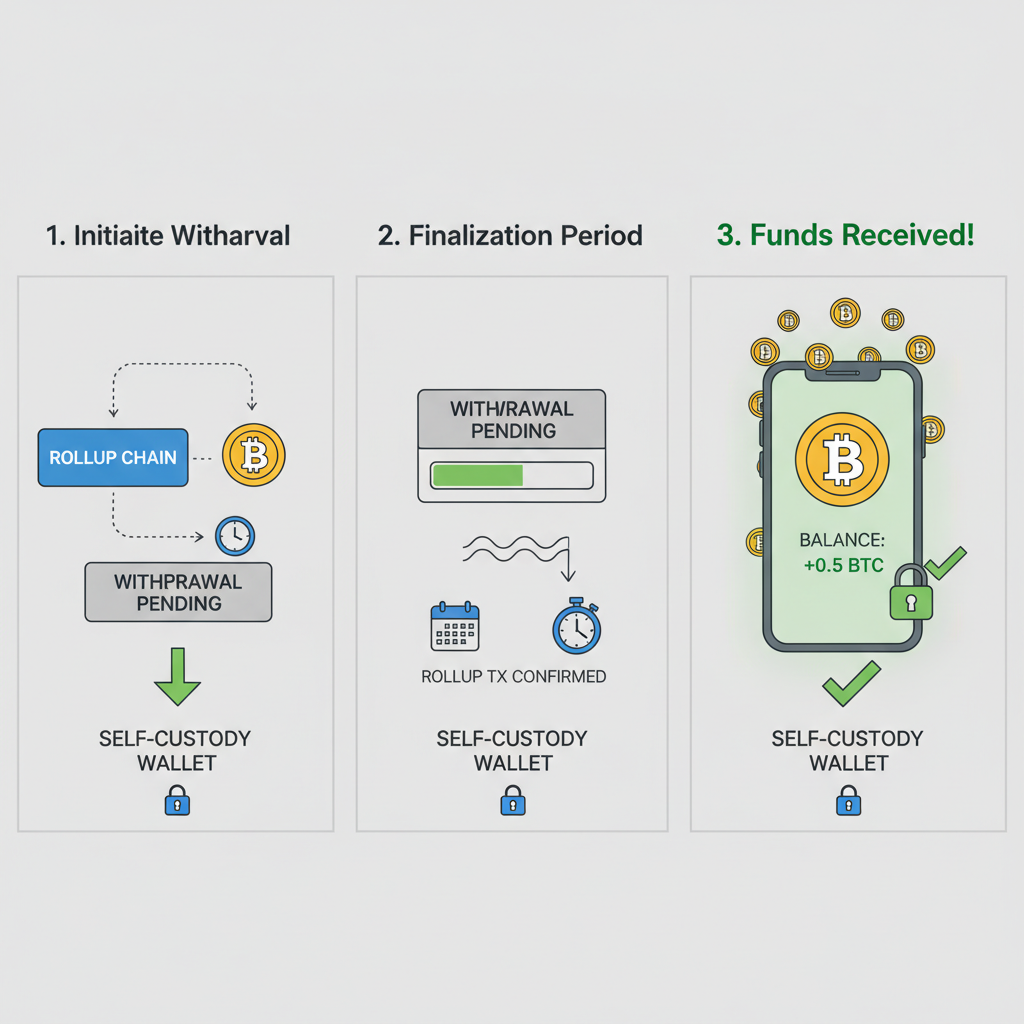
GOAT Network ZK Rollup: Off-Chain Execution Steps for Bitcoin Scaling
Key Milestones in GOAT Network's Journey
GOAT Network's trajectory underscores disciplined execution. The BitVM2 testnet not only slashed verification times but also open-sourced the full stack, drawing contributors to refine Bitcoin rollup off-chain execution. Post-launch metrics show stable sequencer rotations and zero successful malicious challenges, a testament to incentive design. Looking to 2026, mainnet rollout promises thousands of TPS, positioning GOAT Network BTC L2 as infrastructure for Bitcoin's DeFi era.
Yield generation stands central. BTC holders deposit natively, earning from liquidity provision or automated strategies powered by zkMIPS proofs. Unlike sidechains diluting security, every state transition verifies against Bitcoin, ensuring self-custody. Their economic paper details how provers earn for succinct proofs, while challengers police the system, creating balanced incentives that scale with network activity.
Why GOAT Outpaces Other Bitcoin Scaling Rollups
| Feature | GOAT Network (✅) | Typical BTC L2 (❌) |
|---|---|---|
| Proof Type | ZK (zkMIPS) | Fraud (Optimistic) |
| Challenge Time | <1 day (BitVM2) | 7-14 days |
| Sequencers | Decentralized & Rotating | Centralized or PoS |
For developers, zkMIPS lowers the barrier to porting EVM apps, while open testnet tools enable rapid prototyping. BTC holders gain structured yield: deposit, participate in pools, withdraw natively. No wrapped assets means no counterparty risk, aligning with Bitcoin's ethos.
Challenges persist. BitVM2's complexity demands vigilant auditing, and sequencer decentralization requires deep liquidity in $GOATED for slashing collateral. Yet, their multi-round random selection mitigates collusion, and testnet data shows economic finality rivaling Ethereum L2s.
As 2026 unfolds, GOAT Network positions itself to capture BTC's trillion-dollar liquidity. With Bitcoin's price reflecting renewed confidence at $72,287.00, scaling solutions like this Bitcoin rollup off-chain execution will define the network's next phase. Developers and investors alike should monitor mainnet progress; the infrastructure for scale Bitcoin with rollups is here, battle-tested and ready.



No comments yet. Be the first to share your thoughts!