
Bitcoin’s price is holding firm above six figures, currently trading at $115,811.00. As the network continues to attract more users and capital, the need for robust scalability solutions has never been clearer. Enter zkRollups: a technology that’s rapidly shifting from Ethereum-centric innovation to a practical answer for Bitcoin’s own scaling bottlenecks.
Why zkRollups Are Gaining Traction in Bitcoin Development
For years, Bitcoin developers have faced a tough trade-off: how do you increase throughput and lower fees without compromising on decentralization or security? Traditional Layer-1 upgrades are slow and risky. Layer-2 solutions like Lightning Network help with payments, but they don’t address all use cases.
zkRollups, or zero-knowledge rollups, offer a compelling alternative. By processing transactions off-chain and submitting only cryptographic proofs to the main chain, zkRollups can dramatically increase transaction throughput while keeping fees low. According to recent research, this approach can reduce both computational and storage burdens on the Bitcoin base layer - something that’s sorely needed as adoption accelerates.
This isn’t just theoretical. Projects like GOAT Network are pushing the envelope with innovations such as BitVM3 and Label Forward Propagation, achieving over 1,000x data compression. These breakthroughs are making zkRollups not just possible but practical for Bitcoin’s unique architecture (source).
The Mechanics: How Zero-Knowledge Rollups Work on BTC
If you’re new to zkRollups in the context of Bitcoin, here’s a quick rundown:
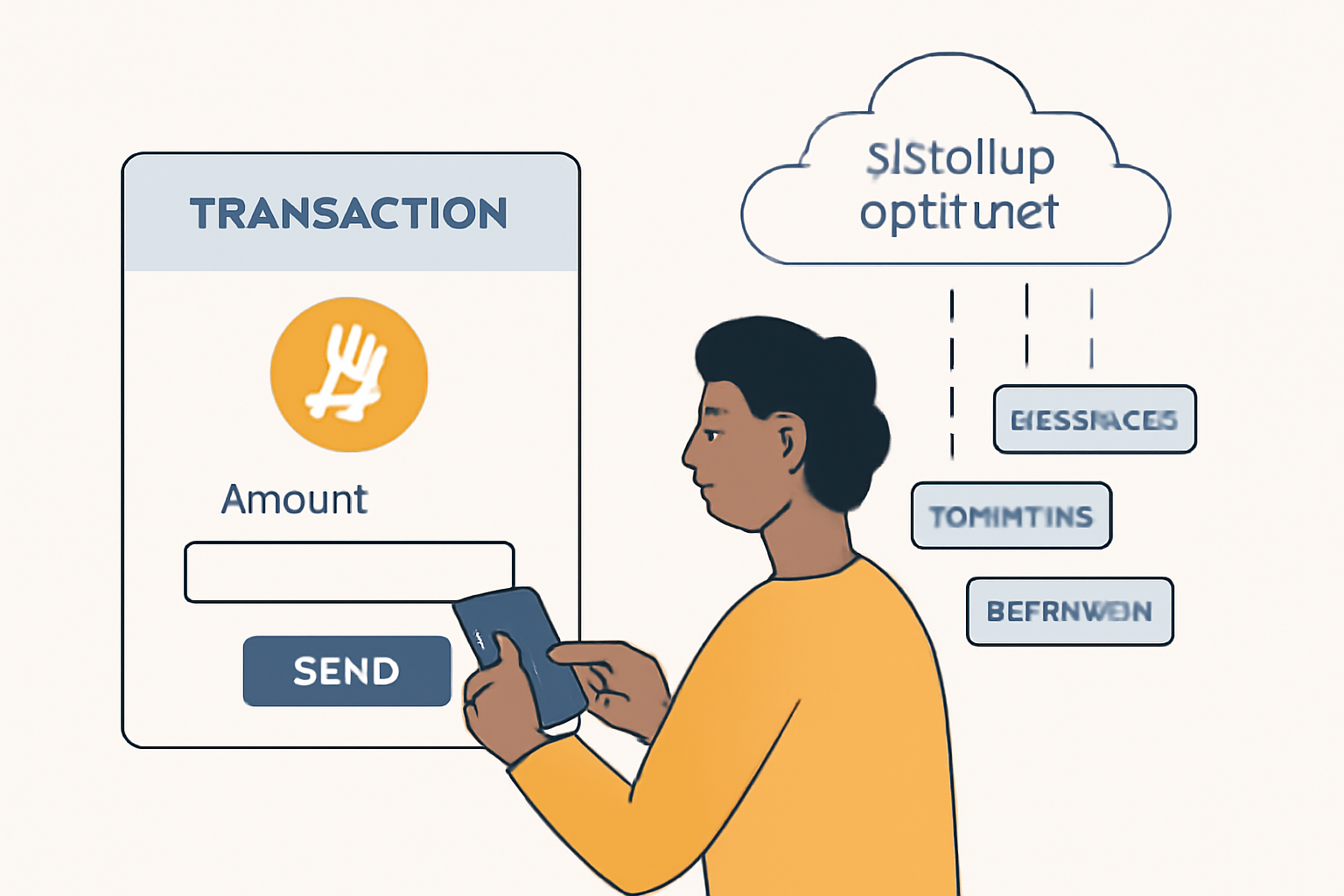
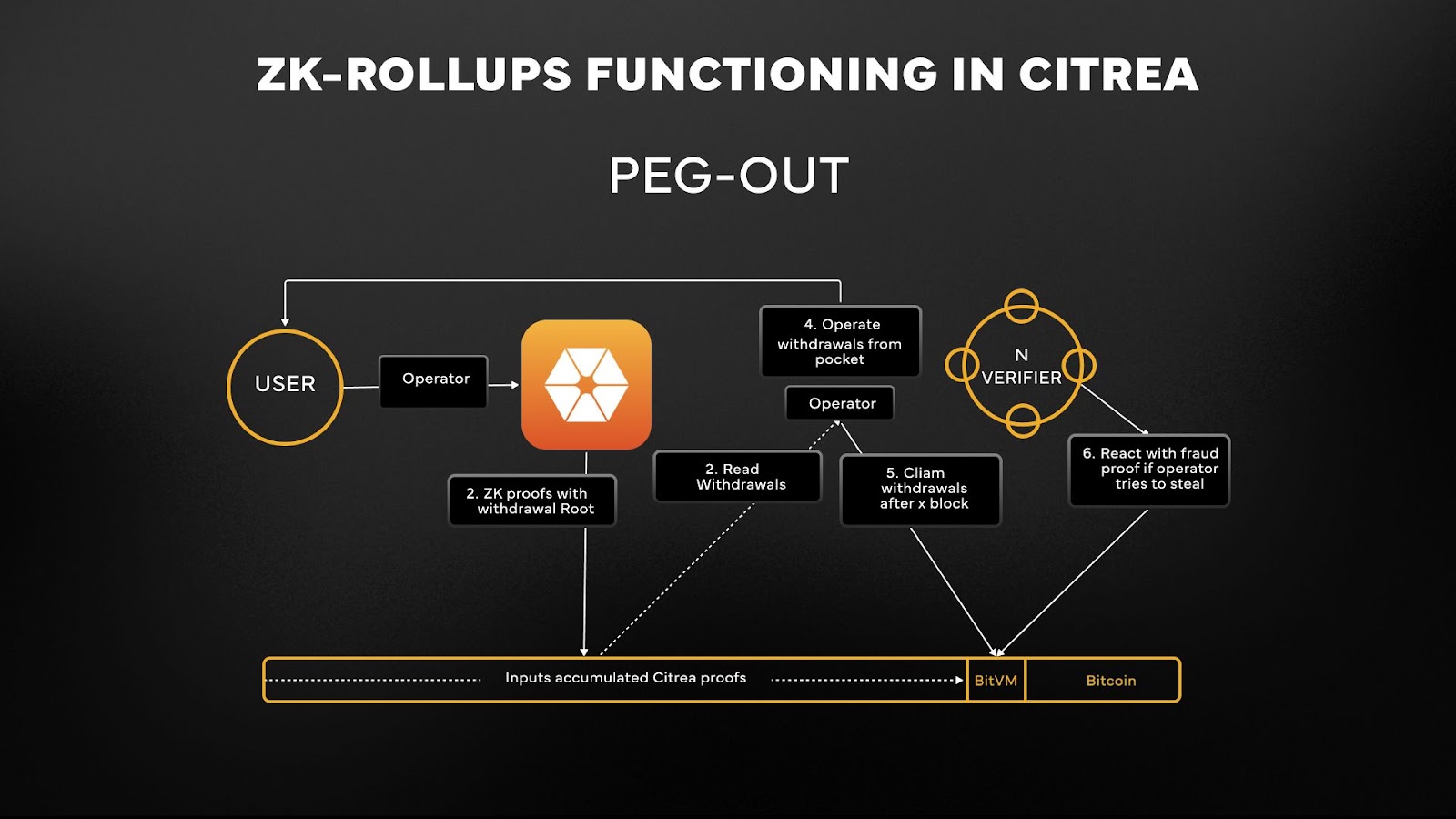
- Transaction Submission: Users send transactions to an off-chain aggregator (the rollup operator).
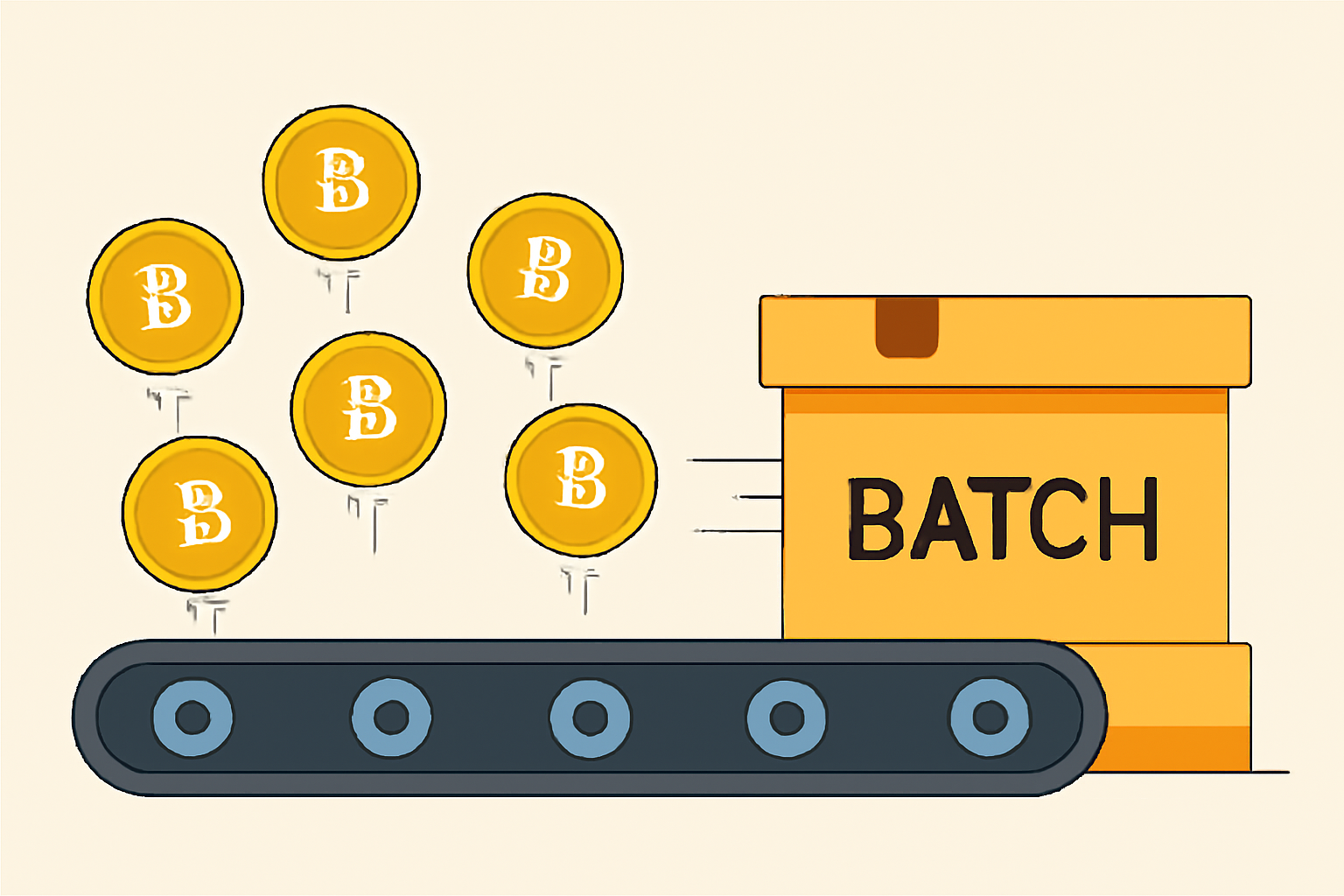
- Batch Processing: The operator collects hundreds or thousands of transactions into a single batch.
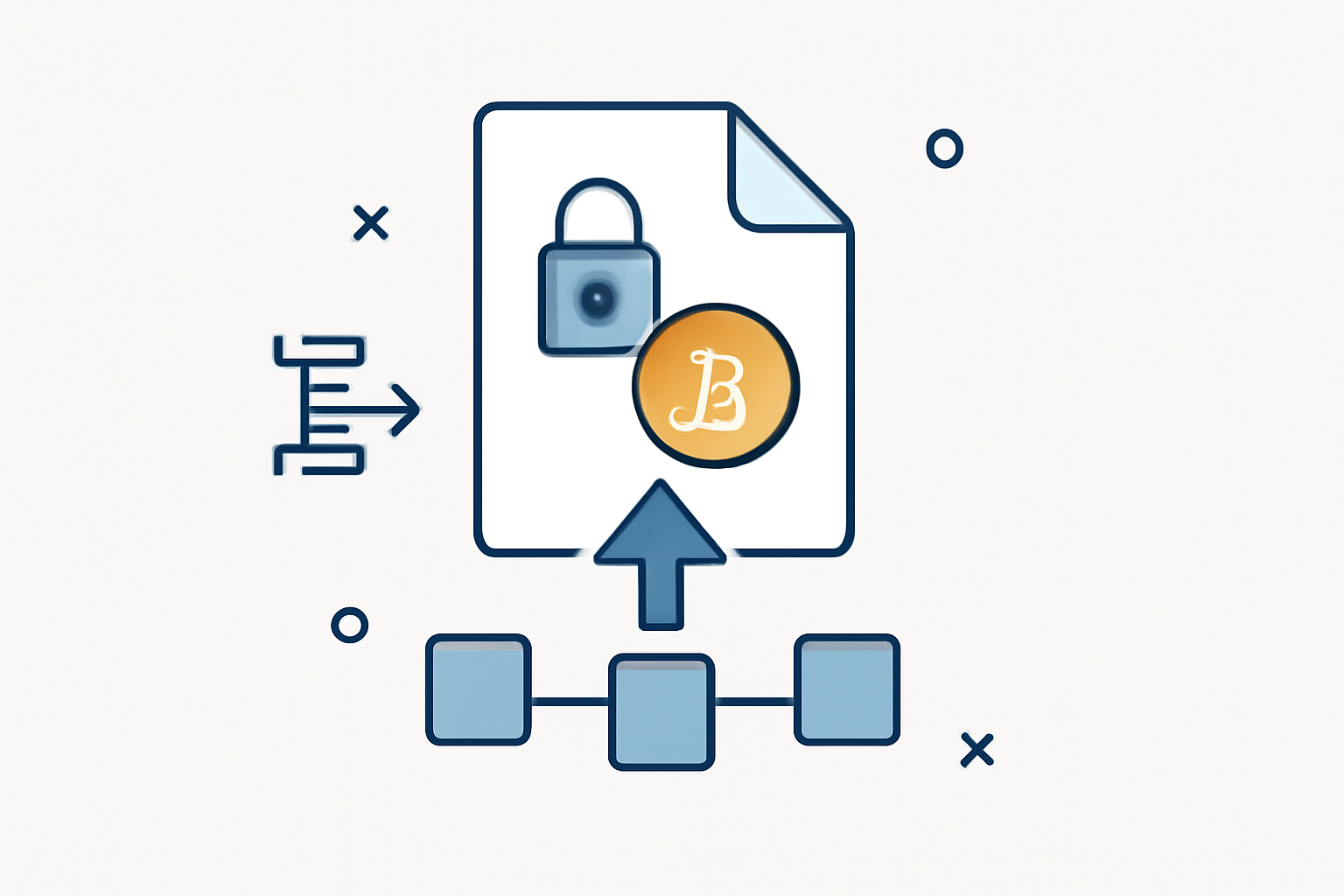
- Proof Generation: Using zero-knowledge proofs (typically SNARKs or STARKs), the operator generates cryptographic evidence that all batched transactions are valid.
- On-Chain Verification: Only this succinct proof (often less than a kilobyte) is posted to the Bitcoin blockchain for final settlement.
This clever design means that instead of every full node verifying every transaction individually, they only need to verify the proof - saving vast amounts of computation and storage over time.
A BTC Transaction’s Journey Through a zkRollup: Step-by-Step



Tackling Technical Hurdles: Scripting Limits and Data Compression
The excitement around zkRollups for Bitcoin is real, but so are the challenges. Unlike Ethereum, which was designed with smart contracts in mind, Bitcoin has limited scripting abilities. This makes implementing complex zero-knowledge proofs directly on-chain tricky.
This is where recent advances come into play. The Taproot upgrade opened new doors by enabling more flexible scripting without changing consensus rules. Solutions like BitVM3 leverage Taproot to verify sophisticated computations off-chain while keeping on-chain interactions minimal (source). GOAT Network’s Label Forward Propagation mechanism further optimizes this by allowing reusable cryptographic circuits and slashing verification costs - which is crucial when you’re aiming for mass adoption at scale.
The Economics: Transaction Fees and Incentives Matter
No scaling solution survives without sustainable incentives. Designing effective transaction fee mechanisms (TFMs) for zkRollups is an active area of research. Operators must be incentivized to sequence transactions honestly and efficiently; verifiers need compensation for their work; miners must be rewarded for including rollup proofs in blocks - all without introducing centralization risks or perverse incentives (source). Striking this balance is key if we want zkBTC solutions that last beyond hype cycles.
For developers, this means understanding not just the cryptography but also the economic game theory underpinning rollup operation. A robust TFM ensures that rollup operators remain profitable, verifiers are incentivized to keep the system honest, and miners see value in including rollup proofs, without any single group gaining undue power. The ultimate goal is to make zkRollups on Bitcoin as permissionless and resilient as possible.
Security, Censorship Resistance, and Upgradeability
Security is non-negotiable when it comes to Bitcoin scalability solutions. Zero-knowledge proofs provide mathematical certainty that every state change within a rollup is valid, but that’s only half the battle. Developers must also consider censorship resistance (can users always force their transactions on-chain?) and upgradeability (how can protocols evolve without introducing new attack surfaces?).
Recent formal research highlights the importance of forced transaction queues and transparent governance models for rollups. By baking these features into zkBTC designs from day one, we can avoid the pitfalls seen in some early Layer-2 solutions on other chains. For a technical deep dive into these foundational aspects, check out this analysis of security models for blockchain rollups.
Alternative Approaches: TEEs and Hybrid Models
While zero-knowledge proofs are grabbing headlines, Trusted Execution Environments (TEEs) present another promising path for Bitcoin scaling. Projects like TEERollup use secure hardware enclaves to execute transactions off-chain and post signed results back to Bitcoin, achieving low costs and quick withdrawals, while maintaining robust security even if some TEEs fail (source). Hybrid approaches that combine zk-proofs with TEE-based execution could offer even greater flexibility for developers building next-gen dApps on Bitcoin.
Developer Takeaways: Building with zkRollups Today
If you’re a developer eyeing zkRollups for your next project, you’ll need to weigh compatibility trade-offs carefully. Different flavors of zkEVMs offer varying levels of EVM compatibility, some prioritize performance while others focus on seamless integration with existing tooling (learn more here). Assess your application’s needs before choosing an approach.
Here are some practical steps you can take right now:
- Experiment with testnets: Many emerging zkBTC projects offer public testnets, get your hands dirty!
- Study open-source codebases: Dive into repositories from GOAT Network or similar initiatives.
- Join developer communities: Engage with others tackling similar challenges; crowdsourced knowledge is invaluable in this fast-moving space.
- Stay current: Follow research updates on TFMs, data availability layers, and formal verification models.
The Road Ahead: Scaling Beyond $115,811.00 BTC
The momentum behind Bitcoin’s price, currently at $115,811.00: reflects not just market enthusiasm but growing confidence in its long-term scalability roadmap. As zero-knowledge proofs mature and innovative architectures like BitVM3 hit production readiness, we’re poised to see a new era where high-throughput applications become native to Bitcoin without sacrificing its core values.
The bottom line? If you’re building or investing in the future of crypto infrastructure, watch this space closely, and don’t be afraid to get involved at the protocol level. The most exciting breakthroughs often happen where technical rigor meets creative experimentation.




No comments yet. Be the first to share your thoughts!