
Bitcoin’s momentum in 2025 is unmistakable, with its price holding firm at $86,189.00 and the market’s appetite for cross-chain yield at an all-time high. Yet, until recently, BTC holders faced a persistent dilemma: how to unlock meaningful yield without sacrificing security or liquidity. Enter Solv Protocol’s SolvBTC and the Staking Abstraction Layer (SAL), two innovations that are rapidly reshaping what it means to put Bitcoin to work across multiple chains.

SolvBTC: Turning Bitcoin into a Multichain Yield Engine
SolvBTC is more than another wrapped token. It’s a decentralized, 1: 1 BTC-pegged asset designed for seamless movement across leading networks like Ethereum, BNB Chain, Avalanche, Arbitrum, Base, BOB, Mantle, and Merlin. This broad compatibility lets BTC holders tap into DeFi protocols and yield strategies previously reserved for native assets, without ever relinquishing control of their core Bitcoin exposure.
The result? A new era of liquid BTC staking, where users can:
- Stake BTC to mint SolvBTC and immediately access DeFi opportunities on supported chains.
- Earn diversified yields, from on-chain staking rewards to real-world asset (RWA) strategies like U. S. Treasuries.
- Retain liquidity, with the ability to redeem SolvBTC back to native BTC at any time.
This approach sidesteps the liquidity traps of traditional staking solutions while enabling true composability within the emerging BTCFi ecosystem. As total value locked (TVL) in Solv Protocol vaults surges past $2B, institutional and retail users alike are signaling strong conviction in this model.
The Staking Abstraction Layer: Simplifying Cross-Chain Complexity
The real magic behind Solv Protocol’s success lies in its Staking Abstraction Layer (SAL). SAL acts as a modular middleware, abstracting away the intricacies of cross-chain transactions and standardizing Bitcoin staking flows across disparate networks. For developers and end-users alike, this means frictionless access to diverse staking products without having to navigate each chain’s unique quirks or risk operational errors.
SAL is composed of four core modules:
- LST Generation Module: Handles minting/redemption of Liquid Staking Tokens (LSTs), such as SolvBTC. BBN or SolvBTC. CORE.
- Transaction Generation Module: Orchestrates secure staking transactions directly on the Bitcoin mainnet.
- Validator Node: Maintains security and correctness for all staking operations.
- Revenue Distribution Module: Automates reward payouts to participants in a transparent manner.
This unified architecture not only accelerates adoption among dApps but also provides robust compliance pathways, evident in products like SolvBTC. CORE (Shariah-compliant) that cater to regional regulatory frameworks. The upshot? Whether you’re an active trader seeking margin collateral or a long-term holder aiming for sustainable yield, SAL makes it possible to deploy your BTC flexibly across chains with confidence.
Diversified Yield Strategies for Modern BTC Holders
The days when Bitcoin sat idle in cold storage are fading fast. With SAL as its backbone, Solv Protocol now offers an array of yield-generating options tailored for every risk profile:
- LSTs (Liquid Staking Tokens): Stake BTC via partners like Babylon or Core to earn ongoing rewards while maintaining liquidity through tokens like SolvBTC. BBN or SolvBTC. CORE.
- Perpetuals Liquidity Pools: Provide liquidity for trading derivatives and earn funding/trading fees, perfect for those seeking active management strategies.
- RWA Yield Tokens: Channel your BTC into tokenized real-world assets such as U. S. Treasuries via products like SolvBTC. AVAX, bridging on-chain capital with off-chain returns seamlessly.
This spectrum of choices not only enhances potential returns but also empowers users to diversify across both crypto-native and traditional markets, all while keeping exposure anchored in Bitcoin itself. For institutional allocators eyeing compliant solutions or everyday investors eager for passive income, the landscape has never looked more promising.
Bitcoin (BTC) Price Prediction 2026-2031
Forecasts based on SolvBTC adoption, DeFi yield innovations, and cross-chain integration via the Staking Abstraction Layer (SAL)
| Year | Minimum Price (Bearish Scenario) | Average Price (Base Case) | Maximum Price (Bullish Scenario) | Year-over-Year % Change (Avg) | Key Market Scenario |
|---|---|---|---|---|---|
| 2026 | $74,000 | $98,000 | $125,000 | +13.7% | Continued DeFi adoption, moderate regulatory headwinds |
| 2027 | $85,000 | $112,000 | $146,000 | +14.3% | Increased institutional adoption, new real-world asset integrations |
| 2028 | $92,000 | $128,000 | $175,000 | +14.3% | Mainstream cross-chain staking, BTCFi ecosystem maturity |
| 2029 | $102,000 | $145,000 | $205,000 | +13.3% | Macro upcycle, global regulatory clarity, BTC as DeFi reserve asset |
| 2030 | $115,000 | $166,000 | $238,000 | +14.5% | Widespread BTC DeFi use, tokenized RWA growth |
| 2031 | $130,000 | $191,000 | $278,000 | +15.1% | BTC yield products mainstream, further cross-chain innovations |
Price Prediction Summary
Bitcoin’s price outlook from 2026 to 2031 remains robust, with average prices projected to rise steadily as DeFi adoption and yield-generating use cases expand, particularly via platforms like SolvBTC and the Staking Abstraction Layer. While minimum price scenarios reflect potential global regulatory or macroeconomic headwinds, maximum prices account for bullish adoption cycles, institutional inflows, and BTC’s evolving role as a yield-bearing asset across blockchains.
Key Factors Affecting Bitcoin Price
- Adoption of SolvBTC and other BTC-based liquid staking tokens in DeFi ecosystems
- Expansion and standardization of Bitcoin staking via the Staking Abstraction Layer (SAL)
- Institutional investment flows and compliance-friendly BTC yield products (e.g., Shariah-compliant SolvBTC.CORE)
- Regulatory developments impacting DeFi and cross-chain protocols
- Technological advances improving BTC interoperability, security, and scalability
- Growth of real-world asset (RWA) integration with Bitcoin-based yield strategies
- Broader crypto market cycles and macroeconomic factors
Disclaimer: Cryptocurrency price predictions are speculative and based on current market analysis.
Actual prices may vary significantly due to market volatility, regulatory changes, and other factors.
Always do your own research before making investment decisions.
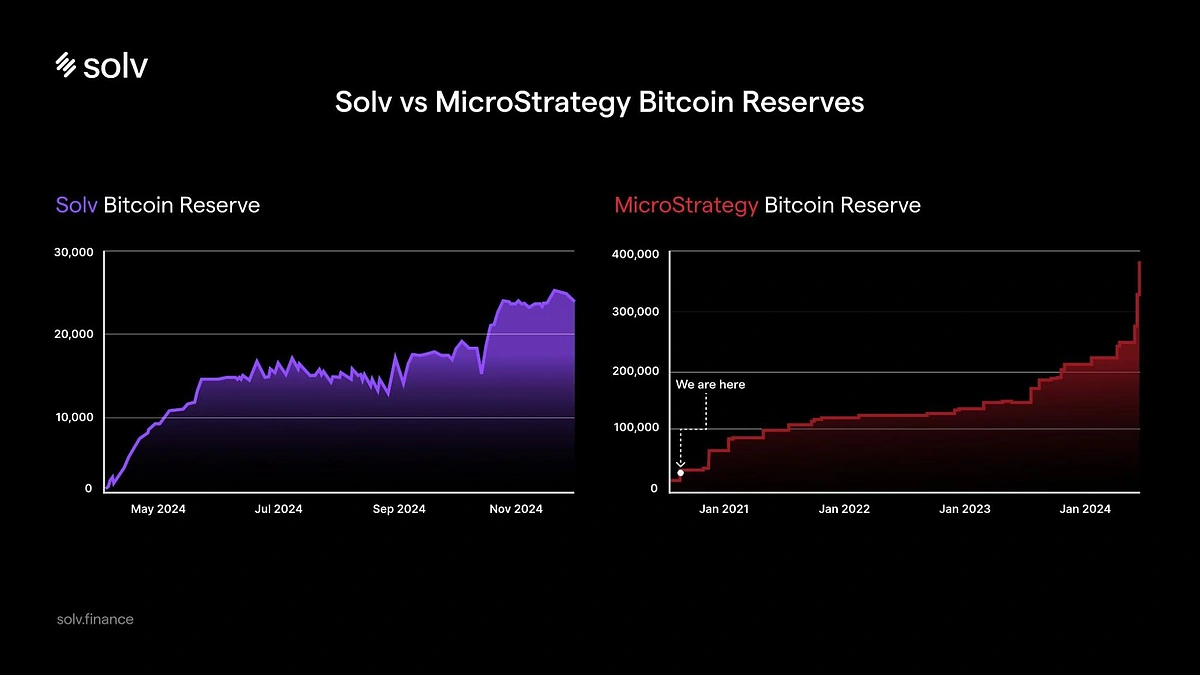
Security and flexibility remain paramount as Bitcoin cements its position above $86,189.00. Solv Protocol’s approach ensures that users never compromise on custody or transparency. Unlike legacy wrapped BTC models that rely on opaque custodians, SolvBTC leverages decentralized infrastructure and rigorous on-chain proof mechanisms, offering real-time verifiability of reserves and operations. This is especially critical as institutional flows accelerate and regulators scrutinize cross-chain activity with greater intensity.
Moreover, the Staking Abstraction Layer (SAL) is designed to be future-proof. Its modularity means new staking destinations and yield products can be integrated quickly as the BTCFi landscape evolves. For developers, SAL’s unified API slashes development time for multichain dApps; for end-users, it translates to a seamless experience whether they’re deploying capital to a DeFi options vault or allocating to a tokenized bond fund.
Compliant Innovation: Meeting Global Standards
The global nature of Bitcoin demands solutions that are both innovative and compliant. Solv Protocol has responded by launching products like SolvBTC. CORE, a Shariah-compliant yield token in partnership with Core ecosystem participants. This not only expands access for underrepresented markets but also sets a precedent for how DeFi platforms can localize offerings without sacrificing interoperability or security.
For institutions, features like the BTC and Vault blend staking, arbitrage, and real-world asset exposure into a single package, delivering base yields around 5%, with transparent reporting and automated compliance checks. Such offerings are already attracting asset managers seeking regulated pathways into digital asset yield generation while maintaining strict risk controls.
What’s Next for BTC Yield in 2025?
The convergence of liquid Bitcoin staking, cross-chain interoperability, and standardized compliance frameworks signals a new era for digital asset productivity. As more protocols adopt abstraction layers similar to SAL, expect even richer composability between rollups, sidechains, and traditional finance rails. The next wave of innovation will likely focus on:
- Automated strategy vaults: AI-driven optimization for balancing risk/yield across multiple networks.
- On-chain credit markets: Using staked BTC as collateral in decentralized lending/borrowing platforms.
- Programmable compliance: Smart contracts enforcing regional rules without manual intervention.
The strategic use of tools like SolvBTC empowers both retail users and institutions to extract value from their BTC holdings while maintaining sovereign control, a paradigm shift from passive holding to active capital deployment across the crypto stack.
If you’re looking to dive deeper into how these mechanisms work or want hands-on guidance for maximizing your own Bitcoin yield opportunities in 2025, explore our technical guides or see the full architecture breakdown at this deep-dive resource.
About the Author