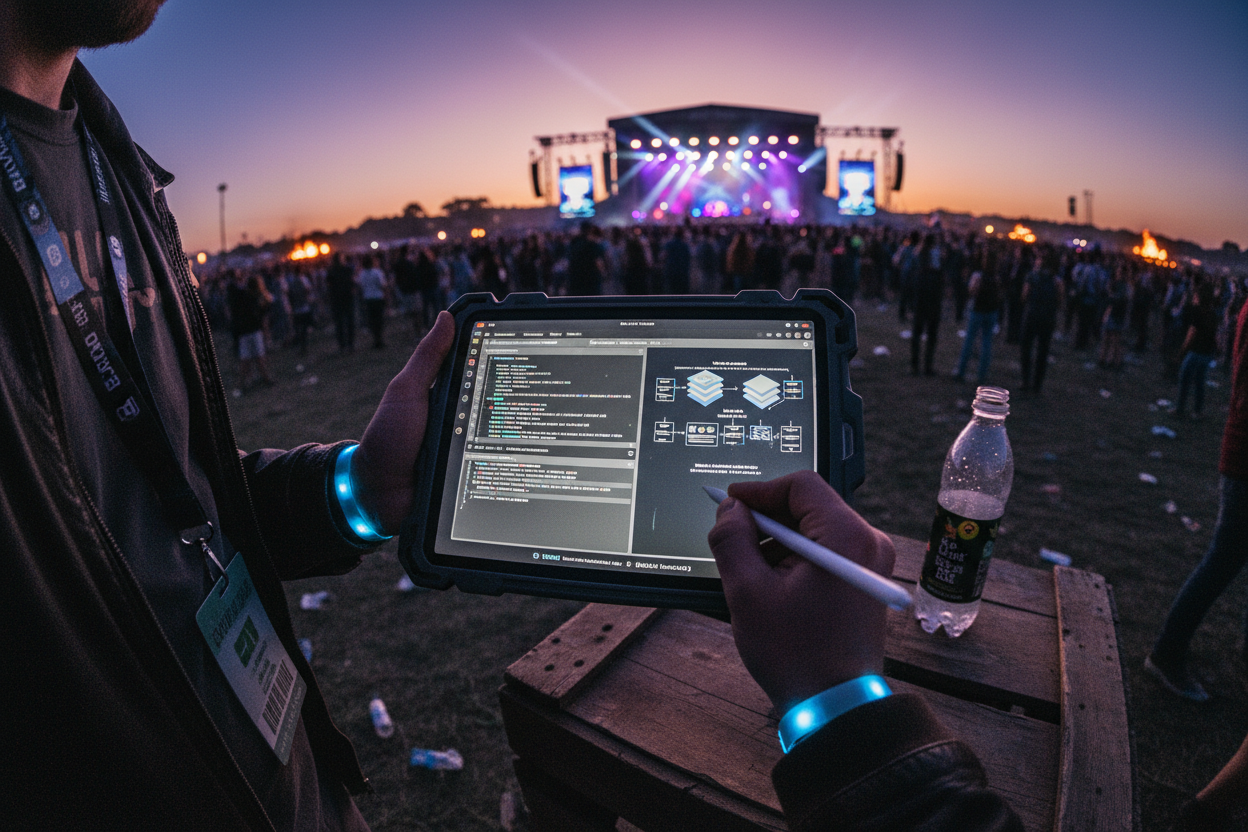


As Bitcoin trades at $68,944.00, down 3.15% in the last 24 hours with a high of $71,405.00 and low of $68,813.00, its network faces familiar pressures. High transaction volumes during such volatile periods expose Bitcoin’s core limitation: scalability. Fees spike, confirmation times stretch, and everyday users feel the pinch. Enter Bitcoin ZK rollups, a game-changing Layer 2 solution that bundles thousands of transactions off-chain, verifies them with zero-knowledge proofs, and settles securely on Bitcoin’s base layer. This isn’t just theory; projects like IBVM are making it reality, promising over 9,000 transactions per second at a fraction of the cost.
Bitcoin’s blockchain, designed for security and decentralization above all, processes around 7 transactions per second. That’s robust for a store of value but inadequate for a global payment network or DeFi hub. ZK rollups address this by executing computations off-chain and posting compact proofs on-chain. Unlike optimistic rollups that rely on fraud proofs and challenge periods, ZK rollups use succinct non-interactive arguments of knowledge (zk-SNARKs) for instant finality. On Bitcoin, this approach shines brighter than on Ethereum, thanks to Bitcoin’s simpler scripting language and untapped opcode potential.
Why Bitcoin ZK Rollups Outpace Ethereum Counterparts
Ethereum’s ZK rollup ecosystem, while mature, grapples with EVM complexities that inflate proof sizes and computation costs. Bitcoin’s minimalistic virtual machine allows for leaner proofs and higher throughput. Sources like sCrypt highlight how Bitcoin ZK rollups achieve superior scalability; a single Bitcoin block can validate rollup states that would choke Ethereum. This efficiency stems from Bitcoin’s focus on UTXO model, enabling parallel transaction processing without state bloat.
ZK-Rollups on Bitcoin are way more scalable than on Ethereum.
Privacy emerges as another edge. zk-SNARKs obscure transaction details while ensuring compliance, ideal for stablecoin transfers and DeFi on Bitcoin. Block Magnates notes zk-SNARKs as the cornerstone for IBVM Bitcoin scaling, fostering private yet auditable operations.
The Mechanics of zkBTC Execution Layers
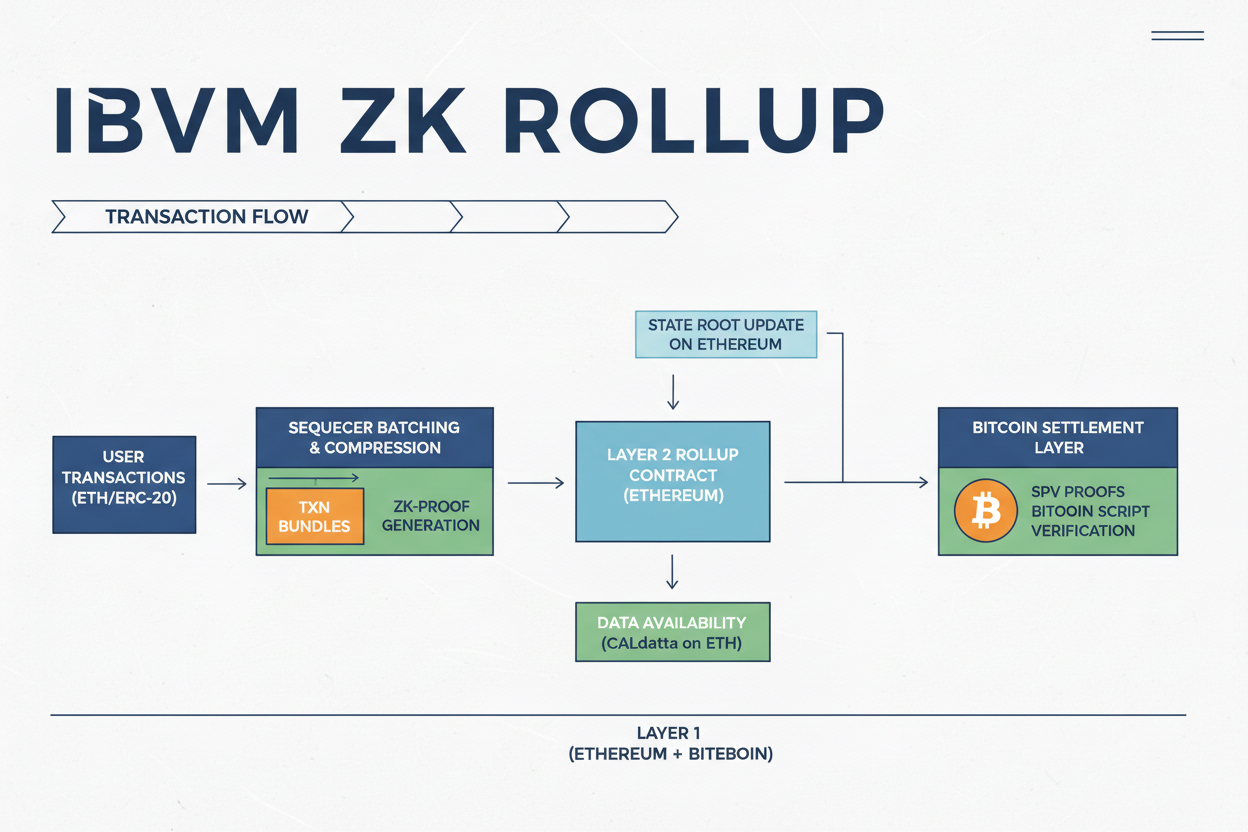
At the heart of zkBTC execution layer lies the rollup sequencer, which batches user transactions, executes them in a Bitcoin-compatible environment, and generates a validity proof. This proof, verifiable in a single opcode, gets anchored to Bitcoin via mechanisms like taproot scripts or future soft forks. Bitcoin rollup protocols like those from IBVM leverage this for trustless scalability; no multisigs or trusted bridges required.
Consider the flow: Users submit transactions to the rollup. The sequencer computes the new state root, crafts the ZK proof, and posts a calldata commitment to Bitcoin. Nodes replay proofs locally for validation. This yields sub-cent fees and near-instant confirmations, transforming Bitcoin into a high-performance settlement layer.
ZK BTC rollups revolutionize scalability, processing off-chain while inheriting Bitcoin’s security. Velar Blog echoes this, positioning Bitcoin rollups as the future for retaining base layer integrity.
IBVM Emerges as Bitcoin’s Scaling Vanguard
IBVM Chain stands out in this landscape, an innovative Layer 2 rollup fusing ZK tech with Bitcoin’s PoW security. Launched with zk-rollups now active, it targets efficiency and usability. Their August 2025 presale, 250% oversubscribed, signals robust demand; recognition in the Top 100 Web3 Companies of 2025 underscores its impact.
IBVM’s decentralized wallet on Android and iOS enables seamless swaps and dApp access, bridging everyday utility. By offloading execution, IBVM unlocks zero-knowledge Bitcoin scaling without compromising sovereignty. Bitcoin Magazine previews such ZK rollups gearing for launch, enhancing utility while preserving decentralization.
IBVM Price Prediction 2027-2032
Forecasting growth amid Bitcoin ZK Rollups adoption, scalability enhancements, and Layer 2 ecosystem expansion
| Year | Minimum Price ($) | Average Price ($) | Maximum Price ($) |
|---|---|---|---|
| 2027 | $0.15 | $0.45 | $1.20 |
| 2028 | $0.30 | $0.90 | $2.50 |
| 2029 | $0.60 | $1.80 | $5.00 |
| 2030 | $1.20 | $3.50 | $9.00 |
| 2031 | $2.00 | $5.50 | $14.00 |
| 2032 | $3.50 | $9.00 | $22.00 |
Price Prediction Summary
IBVM is positioned for substantial growth from 2027 to 2032, with average prices projected to increase from $0.45 to $9.00 (20x growth), fueled by Bitcoin’s ZK Rollup scaling adoption. Minimum prices reflect bearish scenarios like regulatory hurdles or market downturns, while maximums capture bullish adoption and tech breakthroughs. Year-over-year averages double roughly every 1-2 years, aligning with crypto cycles and Bitcoin halving effects.
Key Factors Affecting IBVM Price
- Mass adoption of ZK Rollups enhancing Bitcoin scalability (>9,000 TPS)
- Bitcoin network growth and transaction volume surge
- Favorable regulatory developments for L2 solutions
- IBVM ecosystem expansions (wallets, dApps, stablecoins)
- Crypto market cycles, including 2028 Bitcoin halving
- Competition from other Bitcoin L2s and Ethereum rollups
- Technological advancements in zk-SNARKs and IBVM Chain
- Overall Bitcoin price momentum and macroeconomic trends
Disclaimer: Cryptocurrency price predictions are speculative and based on current market analysis.
Actual prices may vary significantly due to market volatility, regulatory changes, and other factors.
Always do your own research before making investment decisions.
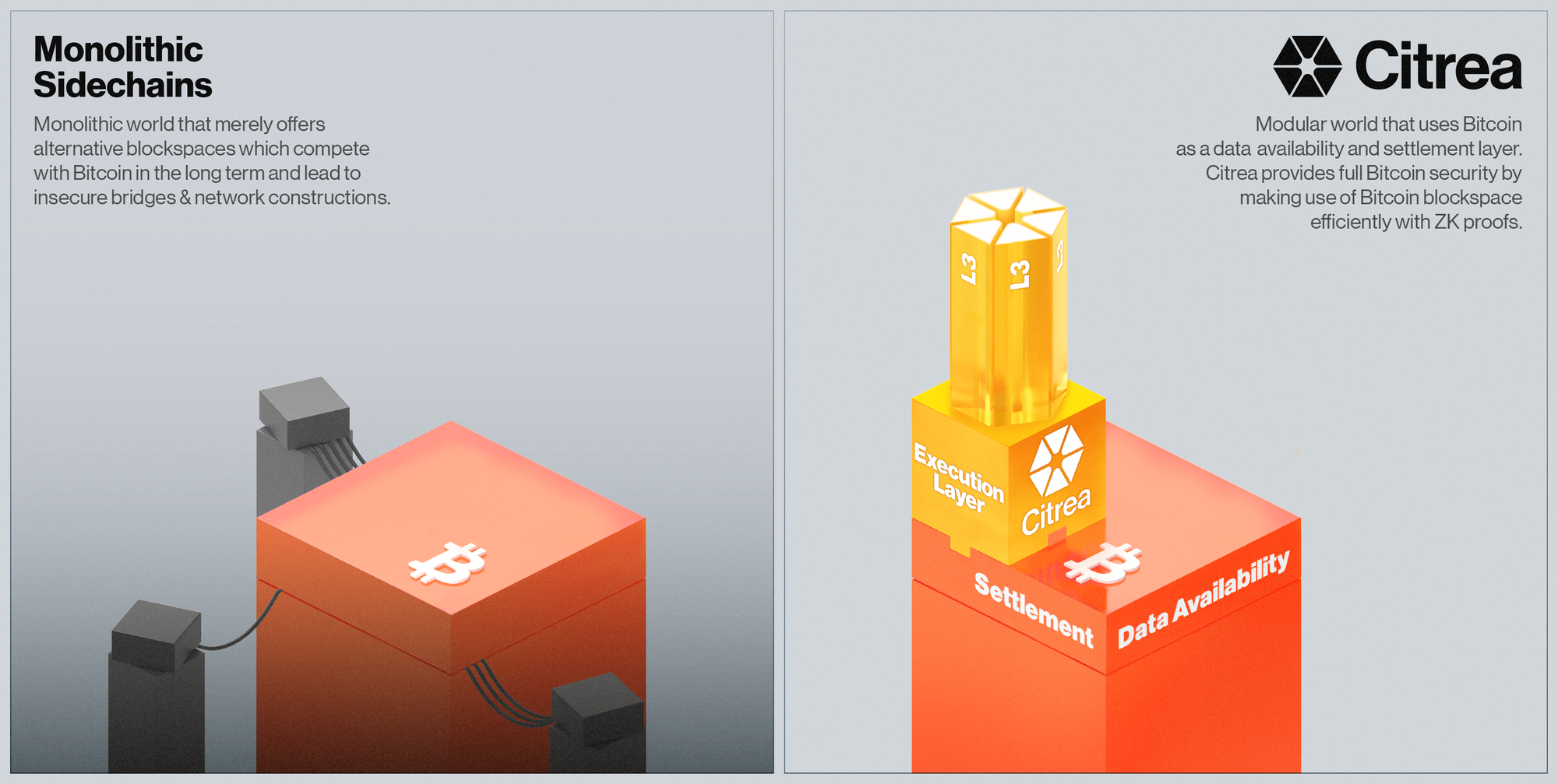
Developers benefit from IBVM’s Bitcoin Virtual Machine, compatible with familiar tools yet optimized for ZK. This positions IBVM not as a sidechain but a true execution layer, where Ethereum settles trust but L2s like IBVM deliver speed, as web3futurepro. com projects for 2026.
IBVM’s architecture sidesteps common L2 pitfalls, delivering a zkBTC execution layer that scales seamlessly as adoption grows. With Bitcoin at $68,944.00, investors eye such innovations to sustain momentum amid volatility.
IBVM Real-World Applications
-
Cross-Border Stablecoin Payments: Zipping across borders at sub-cent costs with zk-SNARKs for scalable, private transactions on Bitcoin ZK Rollups.
-
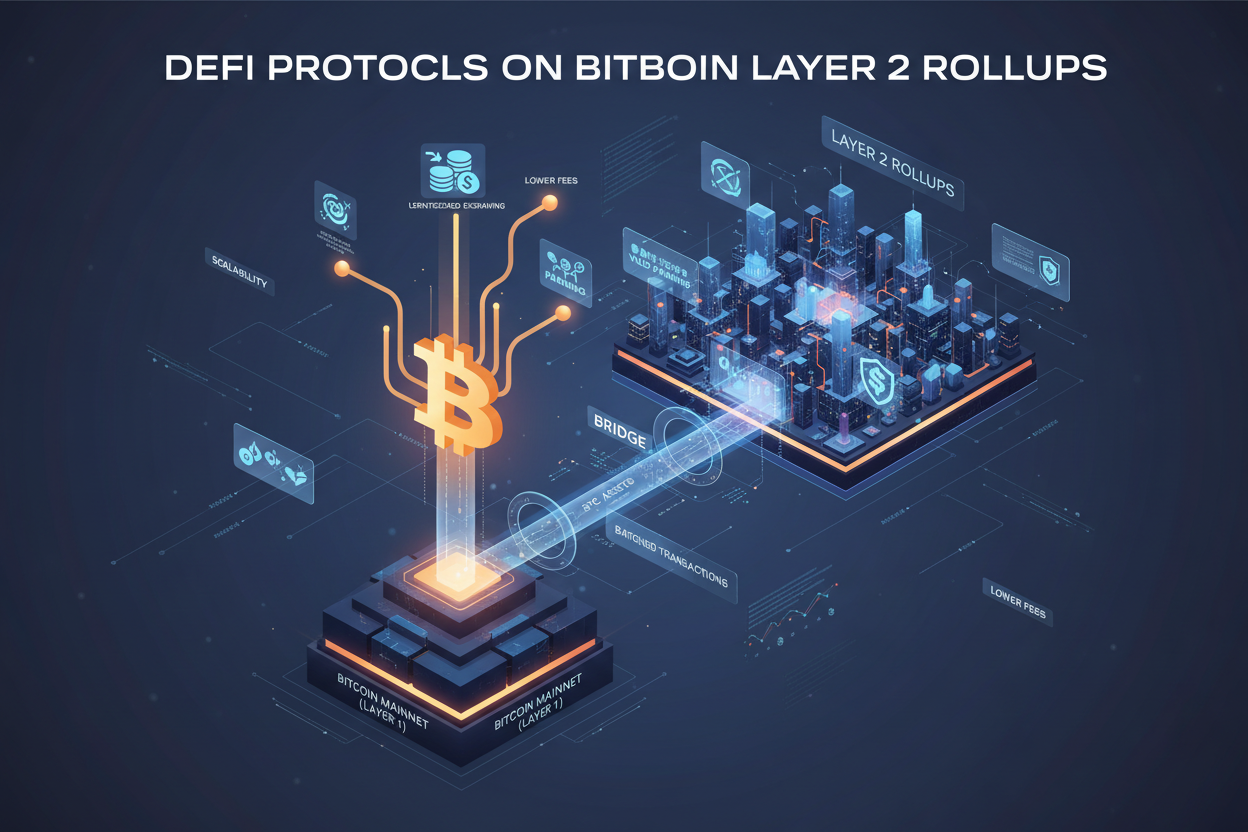
DeFi Protocols: Settling billions daily without base layer congestion, enhancing Bitcoin’s efficiency via IBVM.
-
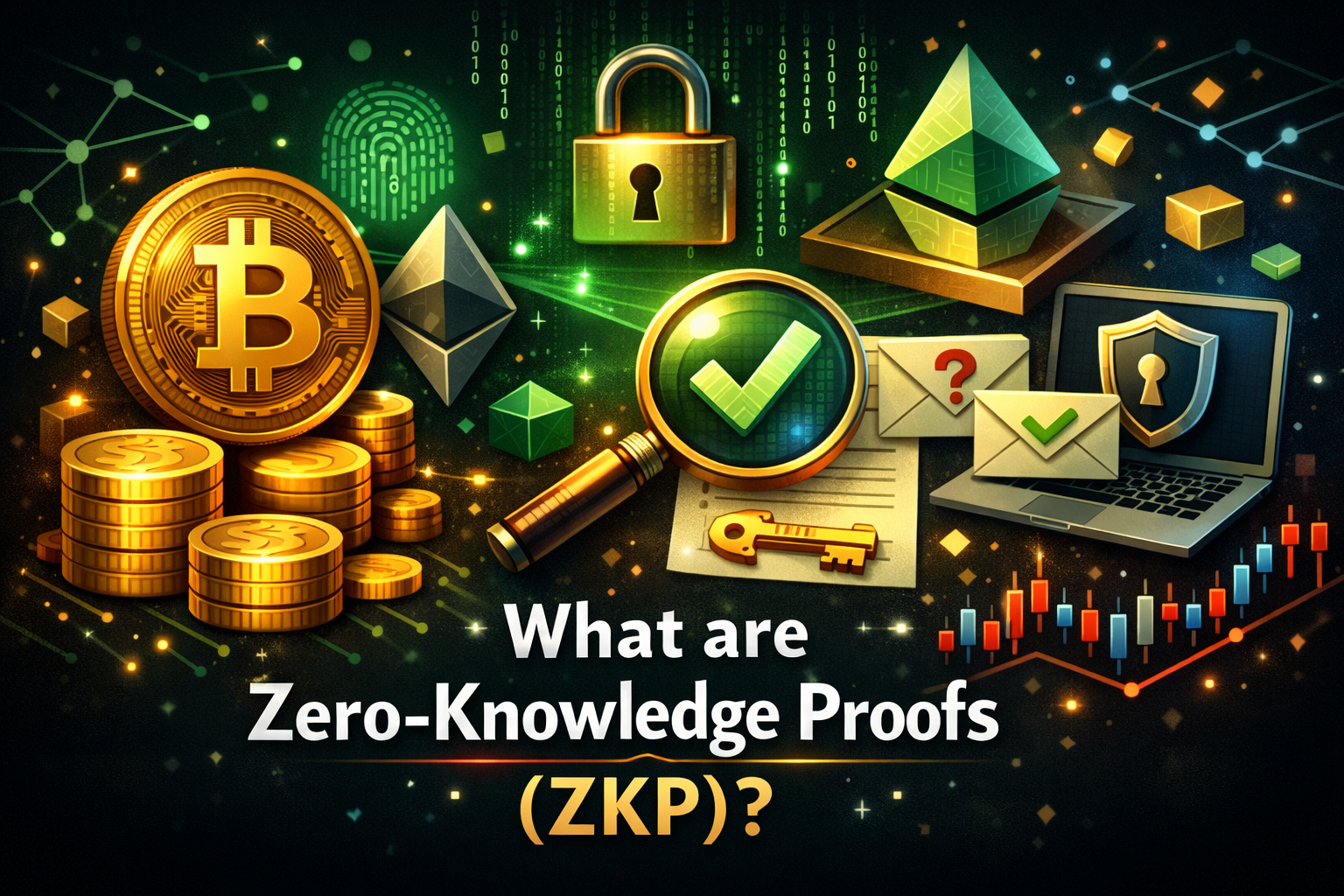
Confidential Voting: Privacy-focused apps enabling secure, anonymous voting powered by ZK proofs on IBVM.
-
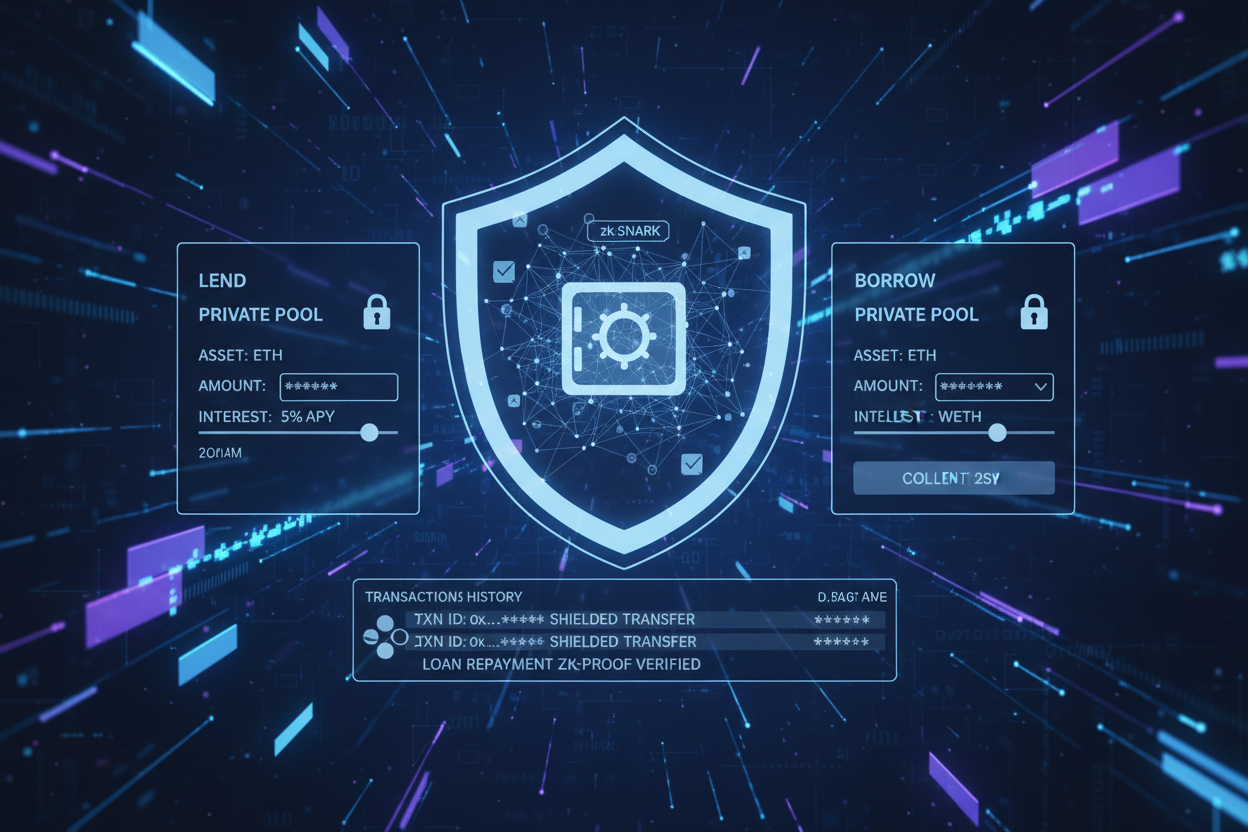
Shielded Lending: Private lending applications leveraging Bitcoin security and ZK rollups for compliance.
-
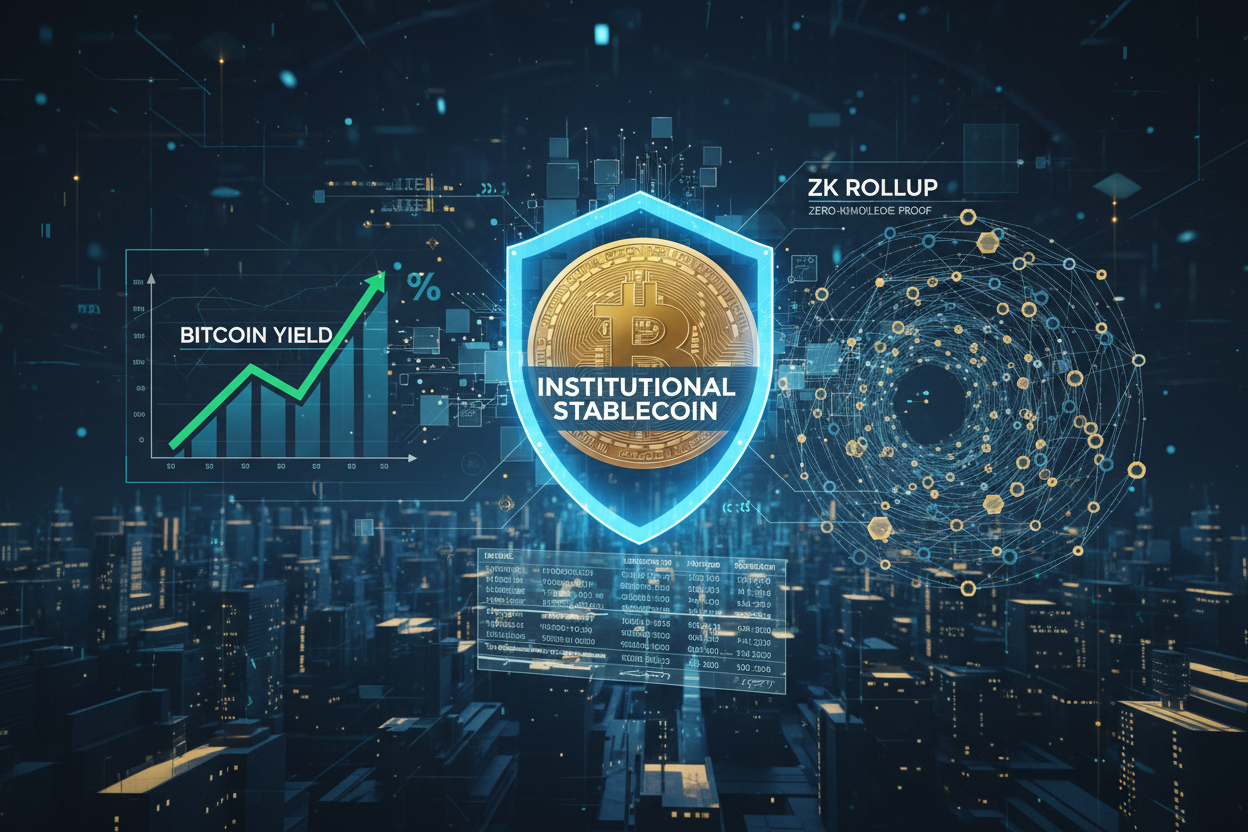
Institutional Stablecoins: Yield generation using Bitcoin’s security in IBVM’s scalable execution layer.
Codezeros emphasizes how zero-knowledge proofs validate transactions efficiently, a principle IBVM amplifies. Developers build dApps for gaming, NFTs, and prediction markets, all inheriting Bitcoin’s finality. As throughput hits 9,000 TPS, Bitcoin evolves from digital gold to programmable money.
Overcoming Hurdles in Bitcoin Rollup Protocols
Bitcoin’s scripting limitations once deterred rollups, but taproot and ordinal inscriptions pave the way. IBVM navigates this with hybrid verification, blending on-chain anchors and off-chain state. Data availability remains key; rollups post commitments publicly, ensuring anyone can reconstruct history. Unlike Ethereum’s calldata bloat, Bitcoin’s block space efficiency favors ZK proofs. Challenges like sequencer centralization yield to decentralized alternatives, fostering true permissionlessness.
Patient investors recognize this maturation. Vision demands discipline; IBVM’s trajectory, from oversubscribed presale to active rollups, mirrors early Ethereum L2s but tailored for Bitcoin’s ethos.
Looking ahead, 2026 projections position ZK proofs as indispensable. web3futurepro. com forecasts L2s as execution powerhouses, with Bitcoin rollups capturing value spillovers. At $68,944.00, Bitcoin’s market cap underscores untapped utility. IBVM’s wallet ecosystem accelerates onboarding, blending swaps and dApps into daily finance.
zkBTC rollups unlock fast, low-cost Bitcoin transactions, positioning IBVM as vanguard. Rollups preserve Bitcoin’s sovereignty while amplifying its reach, a measured step toward mass scalability.
Stakeholders from developers to holders stand to gain. Enhanced throughput eases fee pressures during dips like today’s 3.15% slide, ensuring resilience. As protocols mature, Bitcoin ZK rollups cement their role in a multi-trillion ecosystem, rewarding those who prioritize fundamentals over hype.
About the Author