

As Bitcoin hovers at $69,961.00 amid a subtle 24-hour dip of $-439.00, the network's scalability remains a pivotal battleground for 2026. zkBTC rollups emerge as a transformative force, drawing critical lessons from Zcash's zk-SNARKs to propel Bitcoin scaling zk proofs into mainstream adoption. These innovations promise not just higher throughput but a fusion of security and efficiency tailored for Bitcoin L2 privacy tech.
Projects like Citrea exemplify this shift, leveraging BitVM to host zk-rollups directly on Bitcoin without protocol alterations. Transactions bundle off-chain, compressed via zero-knowledge proofs into succinct verifications posted on-chain. This architecture slashes fees and boosts TPS, addressing Bitcoin's longstanding congestion issues while inheriting its unparalleled security model.
zkBTC Rollups: Engineering Scalability on Bitcoin's Backbone
At their core, zkBTC rollups employ zk-SNARKs or zk-STARKs to generate validity proofs for batches of transactions. Unlike optimistic rollups reliant on fraud proofs, ZK variants offer instant finality; provers compute state transitions off-chain, and verifiers confirm correctness in milliseconds. For Bitcoin, this means deploying DeFi primitives with BTC as native collateral, unlocking yield farming and perpetuals without bridging risks.
Consider the mechanics: a sequencer aggregates user transactions into a rollup block, executes them against the current state root, and generates a proof attesting to validity. This proof, under 1KB, settles on Bitcoin via OP_RETURN or future covenants. Citrea's implementation, as of early 2026, demonstrates throughput exceeding 1,000 TPS, a quantum leap from Bitcoin's base layer 7 TPS. Yet, trusted setups in SNARKs pose risks; STARKs, transparent by design, gain traction for production zkBTC rollups.
ZK-rollups dominate blockchain scalability in 2026, per industry analyses, positioning Bitcoin to rival Ethereum's L2 ecosystem.
Zcash zk-SNARKs: Privacy's Proven Playbook for zkBTC
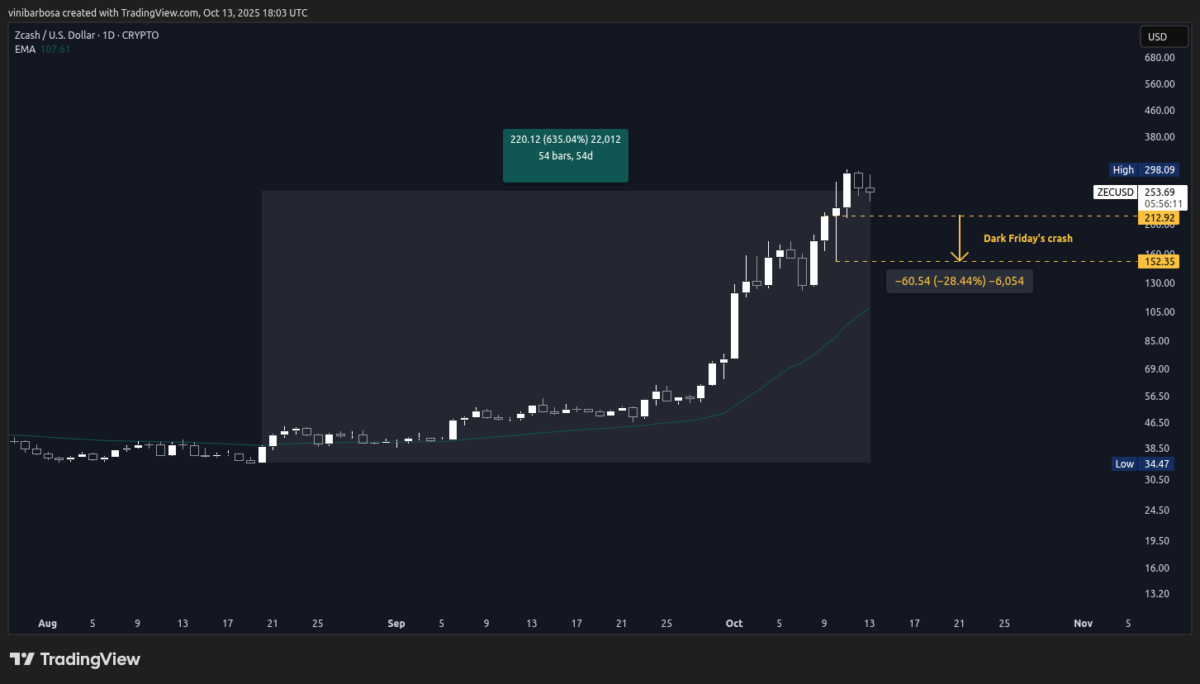
Zcash pioneered zk-SNARKs in 2016, enabling shielded transactions that conceal sender, receiver, and amounts while proving validity. By 2025, 20% of ZEC supply resides in shielded pools, bolstered by Zashi wallet's 120,000 and installs and swift setup times. This protocol-level privacy contrasts Ethereum's add-on mixers, offering compliance via view keys without sacrificing fungibility.
zk-SNARKs rely on quadratic arithmetic programs and elliptic curve pairings for sub-second proofs, though initial trusted setups sparked centralization concerns. Halo and other recursive upgrades mitigate this, inspiring zkBTC rollups to integrate privacy primitives. Zcash's real-world usage, beyond hype, validates zk proofs' resilience, with 2025 data showing sustained shielded volume amid regulatory scrutiny.
Bitcoin developers eye Zcash's evolution for hybrid models, blending rollup efficiency with selective disclosure. Imagine zkBTC rollups with optional shielding: scalability for public trades, privacy for high-value transfers.
Strategic Divergences: Throughput, Privacy, and Bitcoin's 2026 Horizon
zkBTC rollups prioritize aggregation for scale; a single proof validates thousands of transfers, reducing L1 data load by 99%. Zcash zk-SNARKs, conversely, focus on per-transaction obfuscation, incurring higher computational overhead but delivering ironclad anonymity. Bitcoin scaling zk proofs thus learn from Zcash: privacy need not preclude performance, yet rollups demand sequencer decentralization to avert MEV pitfalls.
Market signals reinforce this. Analysts project Bitcoin averaging $130,000 by year-end, fueled by zk-rollup adoption. ZK tokens reshape privacy narratives, shifting from isolated chains to embedded layers, a blueprint for zkBTC.
Bitcoin (BTC) Price Prediction 2027-2032
Forecasts driven by zk-Rollups adoption for Bitcoin scaling, drawing lessons from Zcash zk-SNARKs privacy tech, with 2026 baseline average of $130,000
| Year | Minimum Price | Average Price | Maximum Price | YoY Growth (Avg from Prior Year) |
|---|---|---|---|---|
| 2027 | $100,000 | $150,000 | $250,000 | +15.4% |
| 2028 | $140,000 | $220,000 | $400,000 | +46.7% |
| 2029 | $180,000 | $300,000 | $500,000 | +36.4% |
| 2030 | $250,000 | $400,000 | $700,000 | +33.3% |
| 2031 | $350,000 | $550,000 | $1,000,000 | +37.5% |
| 2032 | $500,000 | $750,000 | $1,500,000 | +36.4% |
Price Prediction Summary
Bitcoin's price is projected to experience substantial growth from 2027 to 2032, fueled by zk-Rollups enhancing scalability and DeFi utility on Bitcoin, similar to Zcash's zk-SNARKs privacy innovations. Average prices could climb from $150K in 2027 to $750K by 2032 amid market cycles, halvings, and adoption, though min/max reflect bearish regulatory risks and bullish tech breakthroughs.
Key Factors Affecting Bitcoin Price
- zk-Rollups integration (e.g., Citrea via BitVM) boosting BTC scalability and DeFi without core protocol changes
- Lessons from Zcash zk-SNARKs: proven privacy tech adoption (20% shielded supply) informing scalable privacy in BTC L2s
- 2028 Bitcoin halving amplifying supply scarcity post-zk scaling hype
- Regulatory developments favoring compliant ZK privacy-compliance synergy
- Macroeconomic stability and institutional inflows amid ZK project dominance
- Competition from L2 tokens (Arbitrum, ZKSync) but BTC's security moat prevails
- Technological evolution: zkSNARKs vs zkSTARKs performance gains in 2026+ trends
Disclaimer: Cryptocurrency price predictions are speculative and based on current market analysis. Actual prices may vary significantly due to market volatility, regulatory changes, and other factors. Always do your own research before making investment decisions.
Quantitatively, zkBTC rollups yield 10-100x fee compression versus Zcash's shielded tx costs, per empirical benchmarks. Yet Zcash's maturity offers guardrails: audit shielded proofs rigorously, prioritize UX for mass adoption. As Bitcoin L2 privacy tech matures, these lessons forge a scalable, private future.
These metrics underscore a pivotal tradeoff: zkBTC rollups excel in aggregate efficiency, processing batches at fractions of a cent per transaction, while Zcash's zk-SNARKs demand 5-10x more gas equivalents for individual shields. Bitcoin scaling zk proofs must hybridize this, perhaps via recursive SNARKs that layer privacy atop rollups without bloating proof sizes.
Bridging the Gap: Hybrid zkBTC Designs for 2026
Forward-thinking protocols like Citrea experiment with Zcash-inspired primitives, embedding optional zk-SNARK shielding within rollup state transitions. A user could opt for transparent trades at 0.001 BTC fees or shielded ones at 0.005 BTC, verified via a single proof. This selective privacy mirrors Zcash's transparent/shielded duality, but scaled for Bitcoin L2 privacy tech. Early tests show 500 TPS with 10% shielded load, preserving finality under 10 seconds.
Data from 2026 benchmarks reveals zk rollups 2026 throughput scaling logarithmically with hardware; GPU clusters now generate 10,000 TPS proofs in under 60 seconds. Zcash's lesson here is iteration: post-Halo 2, proof times halved, adoption surged 30%. Bitcoin rollups must follow suit, decentralizing provers via threshold signatures to match this resilience.
zkBTC Rollups using BitVM vs Zcash zk-SNARKs: Key Comparison
| Aspect | zkBTC Rollups (BitVM) | Zcash zk-SNARKs |
|---|---|---|
| Scalability | High throughput: Bundles multiple transactions into a single zk-proof for thousands of TPS and reduced fees, settling on Bitcoin 🚀 | Moderate: Layer 1 chain (~7 TPS) focused on privacy over scaling 📊 |
| Decentralization | High: Inherits Bitcoin's decentralized security via BitVM for trust-minimized verification | High: Fully decentralized PoW L1 with miners validating zk-SNARKs 🛡️ |
| Provers | Supports decentralized prover networks competing to generate validity proofs | User-generated zk-SNARK proofs; trusted setup via multi-party ceremonies (powers 20% shielded supply) |
| Sequencer Risks | Risk of centralization/censorship if sequencer not decentralized (MEV extraction possible) | None: No sequencer; transactions ordered by decentralized miners ✅ |
Challenges persist. Sequencer centralization risks censorship; Zcash sidestepped this with protocol-native proofs, no intermediaries. zkBTC solutions counter with rotating validators and proof committees, yet MEV extraction looms at 2-5% of rollup volume. Regulators eye shielded pools warily, but Zcash's view keys prove a compliance bridge, revealing balances without deanonymizing flows.
| Metric | zkBTC Rollups | Zcash zk-SNARKs |
|---|---|---|
| Primary Focus | Scalability (1,000 and TPS) | Privacy (Shielded Tx) |
| Proof Size | and lt;1KB per batch | ~200 bytes per tx |
| Fee Compression | 10-100x vs L1 | 2-5x vs transparent |
| Finality | Instant (ZK validity) | ~2.5 min blocks |
| Adoption 2026 | DeFi TVL $5B and | 20% supply shielded |
This table distills the divergence: rollups amplify volume, zk-SNARKs safeguard secrecy. For Bitcoin at $69,961.00, with its 24-hour change of $-439.00, zkBTC rollups could catalyze a TVL explosion, mirroring Ethereum's $50B L2 milestone.
Lessons from Zcash: Blueprints for zkBTC Dominance
5 Zcash Lessons for zkBTC
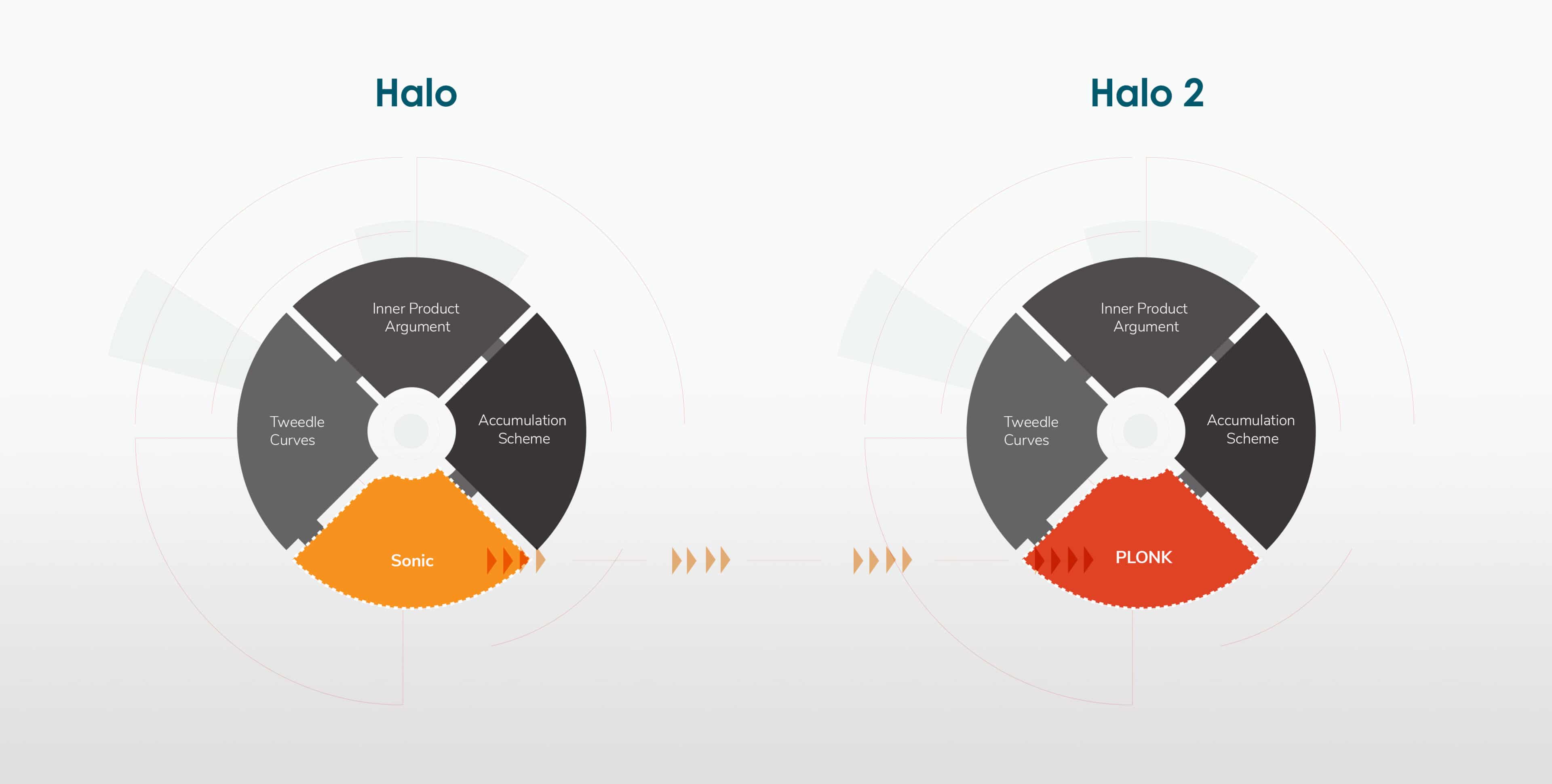
- 1. Trusted Setup Alternatives: Zcash evolved from MPC ceremonies to Halo trustless recursive zk-SNARKs, enabling zkBTC rollups like Citrea to avoid trusted setups via similar powers-of-tau or STARKs for Bitcoin's BitVM paradigm.
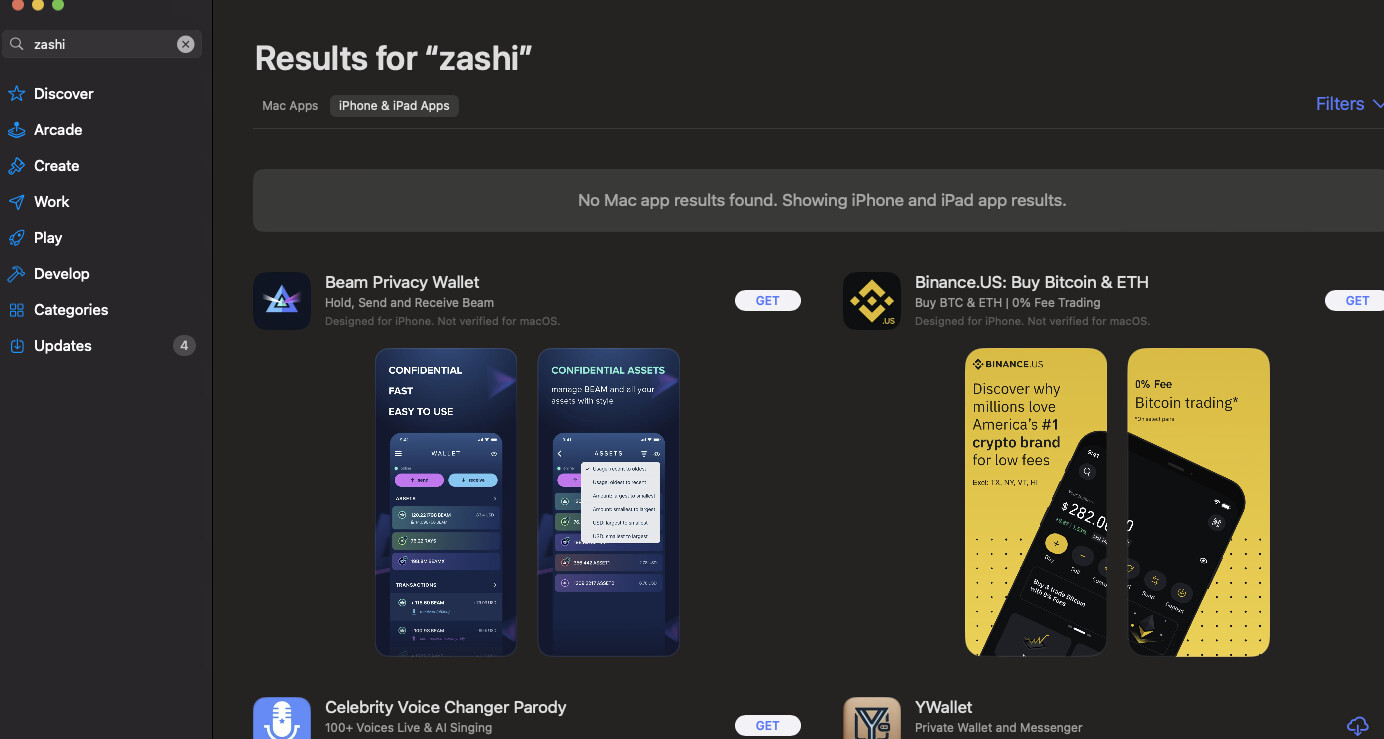
- 2. UX for Shielding: Zcash's Zashi wallet (120k+ installs) cuts shielded tx setup to seconds; zkBTC must prioritize intuitive wallets for seamless BTC DeFi shielding without complexity.
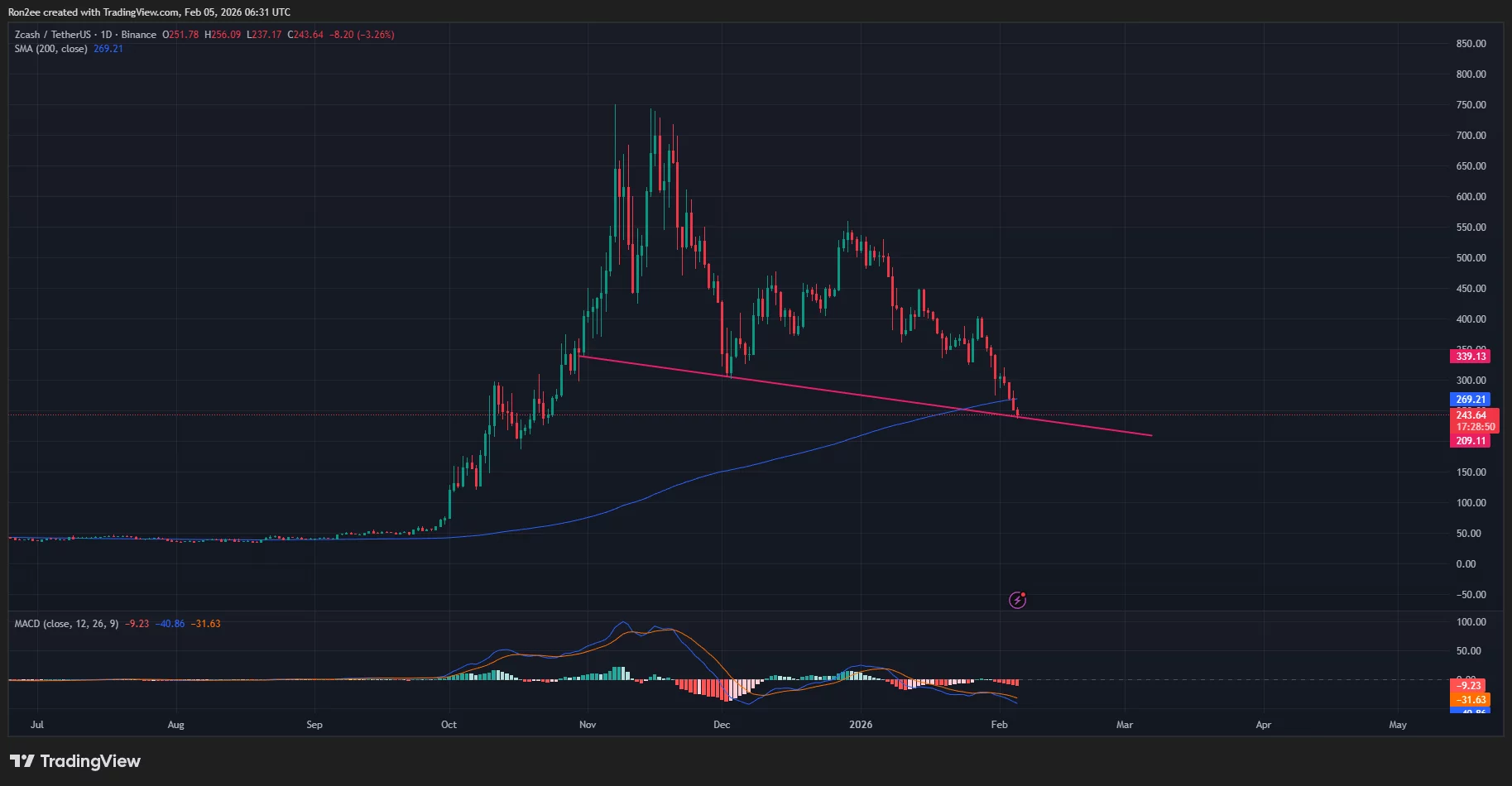
- 3. Compliance via View Keys: Zcash view keys enable selective disclosure for audits while preserving privacy; zkBTC rollups should integrate analogous tools for regulatory compliance in BTC scaling.
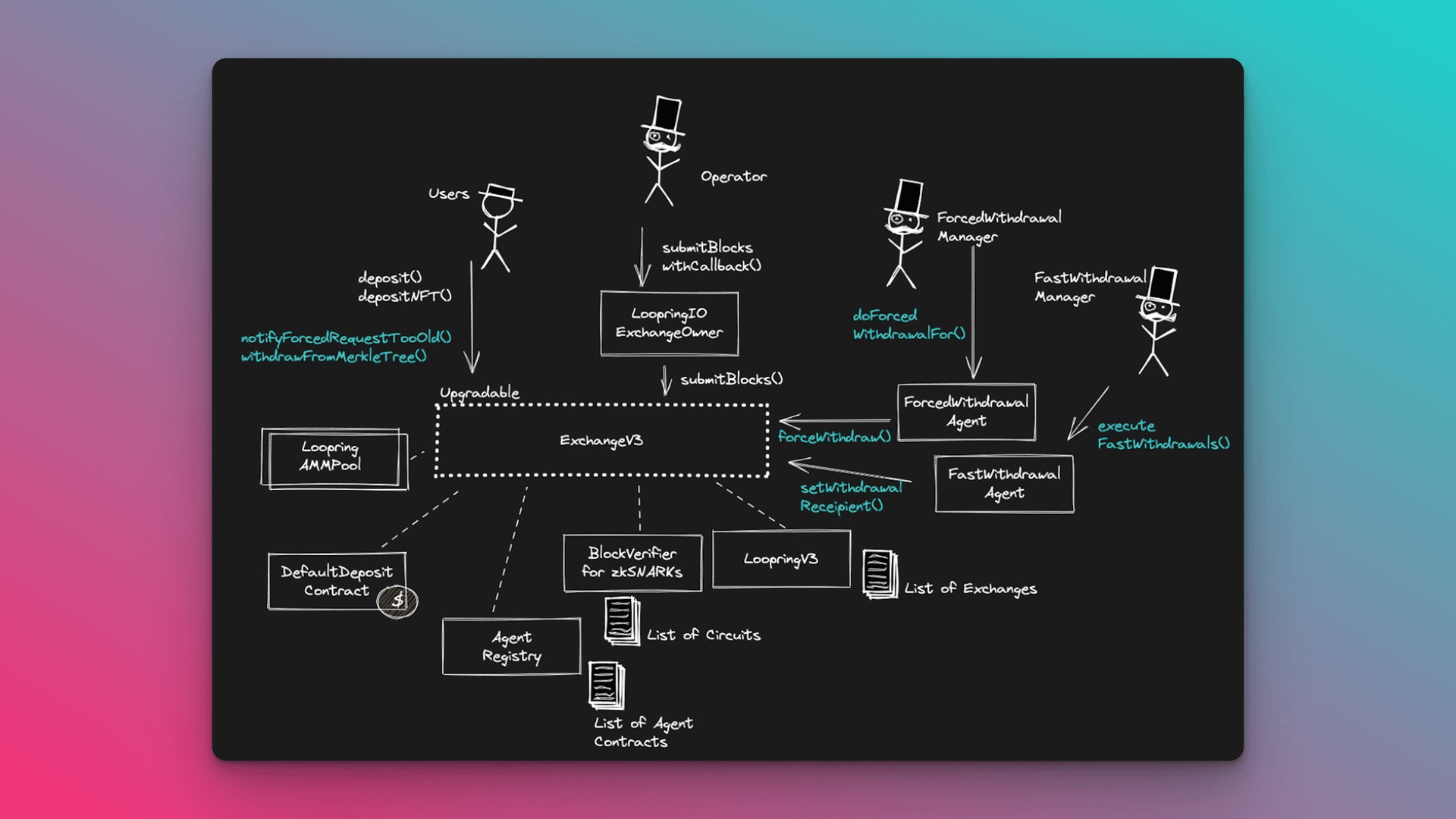
- 4. Proof Recursion: Zcash's Halo recursion aggregates proofs for efficiency; zkBTC rollups can leverage recursion to bundle Bitcoin txs scalably, reducing on-chain verification costs.
- 5. Sustained Adoption Metrics: ~20% of Zcash supply in shielded pools by 2025 shows real privacy uptake; zkBTC must track similar metrics for long-term Bitcoin L2 viability beyond hype.
Implementing these elevates zkBTC rollups beyond mere scaling to a privacy powerhouse. Picture 2026: Bitcoin processes 100,000 TPS via nested rollups, 30% shielded, fees under $0.01, all secured by Bitcoin's hashrate. Zcash's playbook ensures this isn't speculative; it's engineered inevitability.
Investor calculus shifts accordingly. With Bitcoin eyeing $130,000 averages, zkBTC tokens capture alpha from L2 fees and sequencer yields. Zcash holds steady at protocol privacy king, but zk rollups 2026 redefine the meta, fusing Zcash's stealth with Bitcoin's sovereignty. Developers, prioritize STARK hybrids for transparency; traders, position for rollup airdrops. The numbers align for a zk-revolution.
For deeper dives, explore how zkBTC rollups transform Bitcoin scaling or native BTC L2 scaling analysis.



No comments yet. Be the first to share your thoughts!