

Bitcoin has long stood as the unassailable store of value in crypto, but its rigidity stifled broader utility. Enter Citrea, the pioneering zero-knowledge rollup now live on Bitcoin mainnet since January 27,2026. This breakthrough deploys off-chain execution with Bitcoin as the settlement layer, unlocking DeFi primitives like lending and trading using native BTC collateral. At a current price of $77,979.00, Bitcoin's market cap hints at untapped potential as Citrea introduces cBTC and ctUSD, compliant with the GENIUS Act of 2025.
Citrea's arrival, backed by Founders Fund and Galaxy Ventures, immediately ignited debates over Bitcoin block space allocation. Proponents argue it maximizes scarce BTC blocks for data availability and proofs, not routine transactions. Critics worry about congestion, yet early stress tests reveal efficient batch proofs verifying state changes without bloating the chain. This positions bitcoin rollup mainnet as a strategic evolution, blending Bitcoin's security with Ethereum-style scalability.

Citrea's Architecture: ZK Proofs Meet Bitcoin Primitives
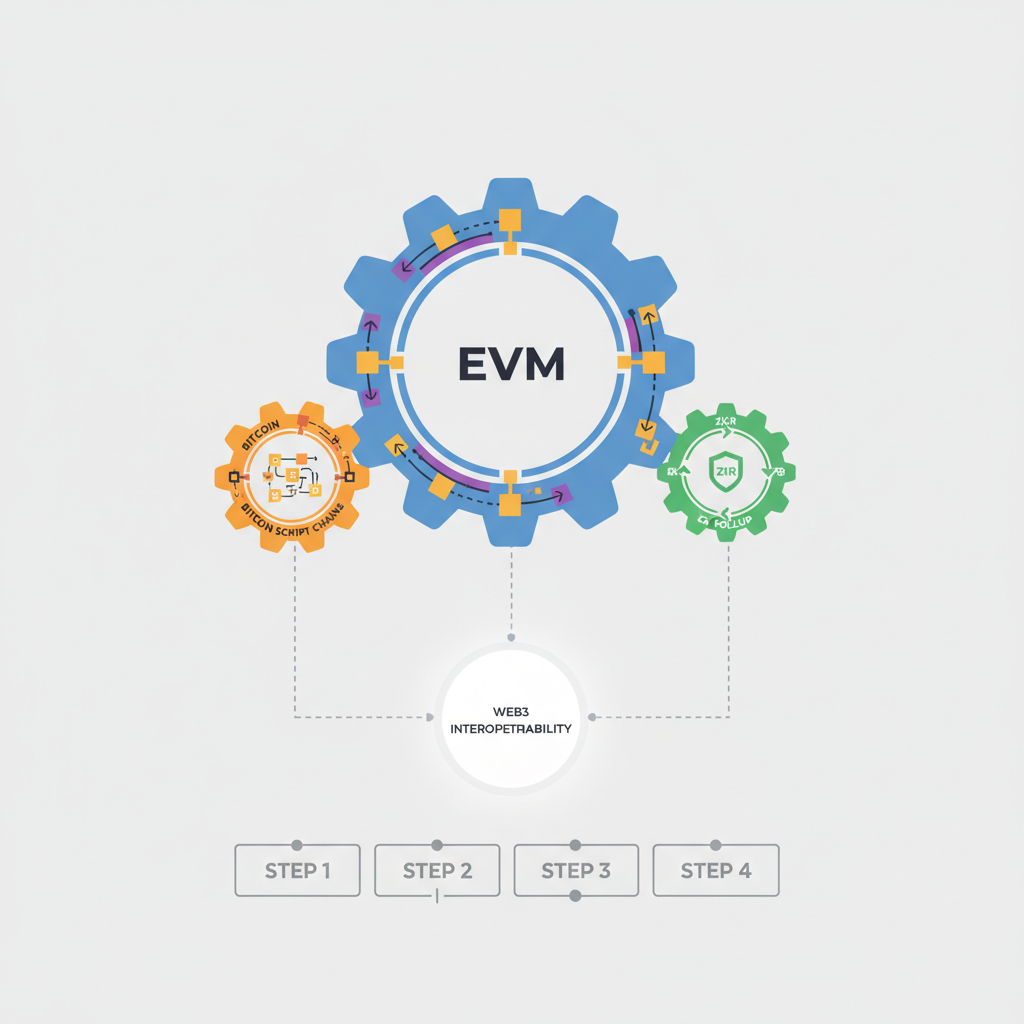
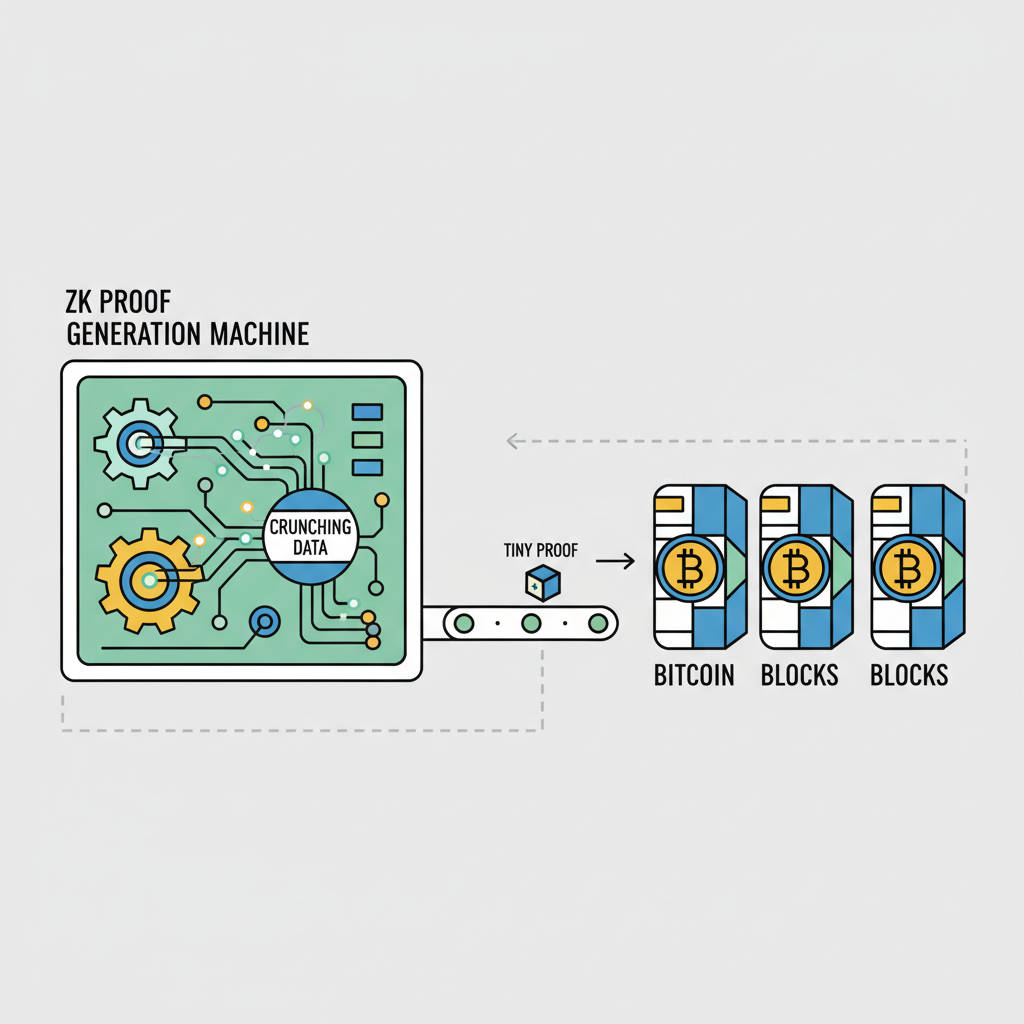
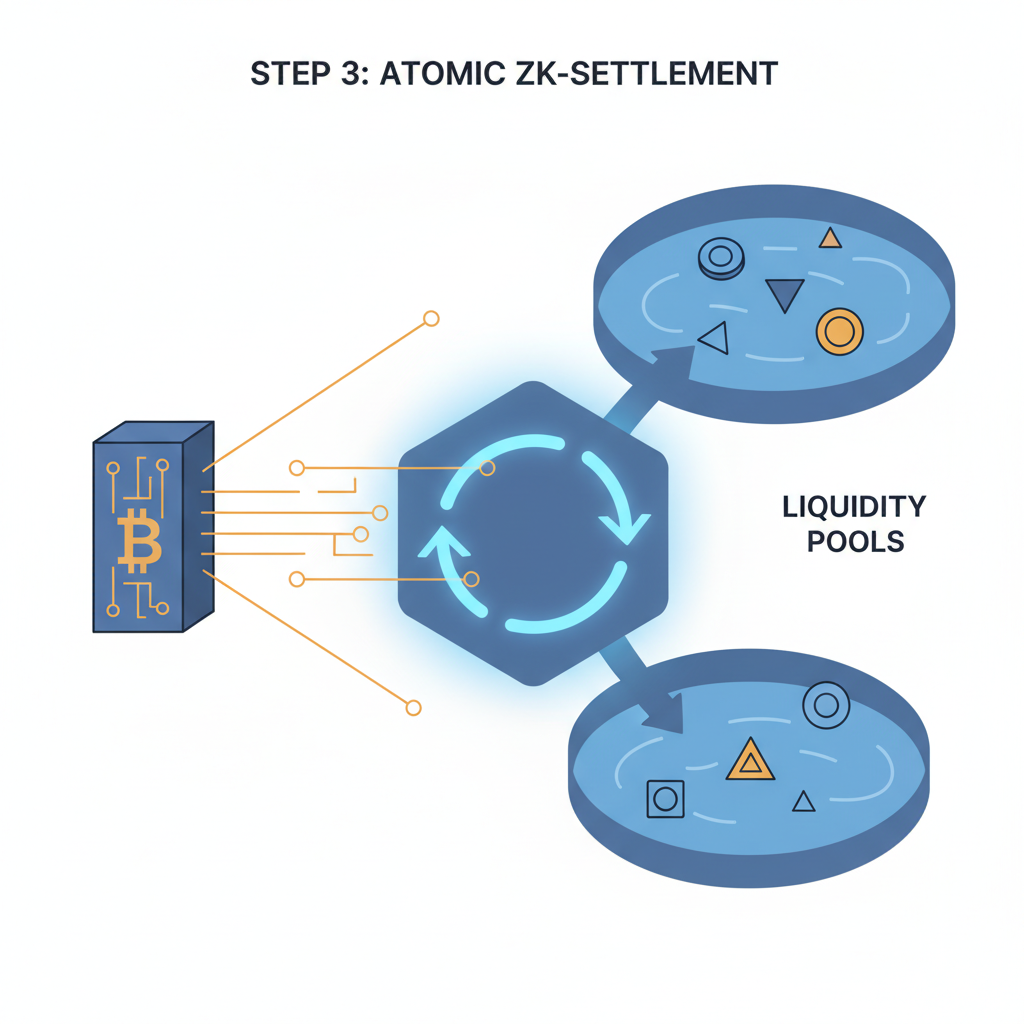
At its core, Citrea's BTC ZK rollup architecture processes thousands of transactions off-chain in a virtual machine compatible with Bitcoin scripts. Zero-knowledge proofs bundle these into succinct validity proofs posted to Bitcoin, ensuring atomic settlement. Unlike optimistic rollups reliant on fraud proofs, Citrea's ZK approach offers instant finality, critical for high-value DeFi on Bitcoin's base layer.
Batch proofs are the secret sauce: multiple state transitions compressed into one verifiable proof, minimizing on-chain footprint. This leverages BitcoinOS advancements, like the first ZK proof verified on mainchain, without protocol changes. Developers gain a bitcoin L2 scaling solution that inherits BTC's censorship resistance while slashing fees to pennies and boosting throughput exponentially.
Explore ZK rollups' technical impact on Bitcoin scalabilityUnlocking Bitcoin's $1.5 Trillion Liquidity for On-Chain Finance
Citrea transforms Bitcoin from passive holdings into programmable capital. Holders can collateralize BTC for ctUSD loans or structured products, all settled natively. This isn't wrapped BTC on alien chains; cBTC maintains trust-minimization via ZK bridges, routing liquidity back to Bitcoin's secure base. Amid Bitcoin's 24-hour high of $79,155.00 and low of $74,609.00, Citrea's debut correlates with renewed investor appetite for Citrea Bitcoin rollup primitives.
Strategically, this counters narratives of Bitcoin's obsolescence in DeFi. Rollups like Citrea preserve the 21 million supply cap's scarcity while expanding utility, potentially capturing Ethereum's TVL without its risks. Early adopters eye on-chain trading and perpetuals, stress-testing the model amid volatile blocks. As a portfolio manager, I view this as a diversification catalyst: allocate to BTC scaling narratives for asymmetric upside.
Bitcoin (BTC) Price Prediction 2027-2032: Post-Citrea ZK-Rollup Launch
Forecasts driven by DeFi integration, scalability breakthroughs, and native Bitcoin applications like cBTC and ctUSD
| Year | Minimum Price | Average Price | Maximum Price | YoY Avg Change % |
|---|---|---|---|---|
| 2027 | $100,000 | $130,000 | $180,000 | +44% |
| 2028 | $150,000 | $200,000 | $300,000 | +54% |
| 2029 | $200,000 | $280,000 | $400,000 | +40% |
| 2030 | $300,000 | $400,000 | $550,000 | +43% |
| 2031 | $400,000 | $550,000 | $750,000 | +37.5% |
| 2032 | $500,000 | $700,000 | $950,000 | +27% |
Price Prediction Summary
Bitcoin's price is forecasted to experience substantial growth from 2027 to 2032, fueled by the Citrea mainnet launch enabling DeFi on Bitcoin. Starting from a 2026 baseline of ~$90,000 average, BTC could reach $700,000 on average by 2032 in bullish scenarios, with minimums reflecting bearish corrections and maximums capturing peak adoption and halving-driven rallies.
Key Factors Affecting Bitcoin Price
- Citrea ZK-rollup mainnet enabling native DeFi, lending, and trading on Bitcoin
- Adoption of cBTC (wrapped BTC) and ctUSD stablecoin compliant with GENIUS Act
- Bitcoin halving in 2028 boosting scarcity and price momentum
- Institutional inflows and BitcoinOS ZK-proof milestones enhancing scalability
- Regulatory clarity and global adoption trends amid market cycles
- Competition from altcoins tempered by Bitcoin's dominance in DeFi expansion
Disclaimer: Cryptocurrency price predictions are speculative and based on current market analysis. Actual prices may vary significantly due to market volatility, regulatory changes, and other factors. Always do your own research before making investment decisions.
Navigating Block Space Debates in the ZK Era
The launch thrusts Citrea into Bitcoin's perennial tension: inscriptions versus scaling. ZK rollups sidestep this by using blocks for proofs only, freeing space for organic demand. Citrea's mainnet proves viability, with ZKbtc mainnet launch sparking ecosystem fervor. Backed by proven VCs, it signals conviction in Bitcoin as DeFi's settlement kingpin.
BitcoinOS's milestone in verifying the first zero-knowledge proof on Bitcoin's mainchain complements Citrea's rollout, proving that scalability enhancements can thrive without forking the protocol. This synergy fortifies bitcoin L2 scaling solutions, where rollups like Citrea post compressed data to Bitcoin blocks, inheriting its proof-of-work robustness.
Looking ahead, Citrea's btc zk rollup architecture sets a blueprint for competitors. By embedding DeFi natively, it channels Bitcoin's $77,979.00 valuation into yield-generating assets. ctUSD, aligned with the GENIUS Act of 2025, offers stability for lending protocols, while cBTC enables seamless BTC usage without custodial risks. Early metrics show low fees and high throughput, validating the model's resilience even as Bitcoin traded between a 24-hour low of $74,609.00 and high of $79,155.00.
Build Your First dApp on Citrea: Unlock Bitcoin DeFi with ZK Rollups

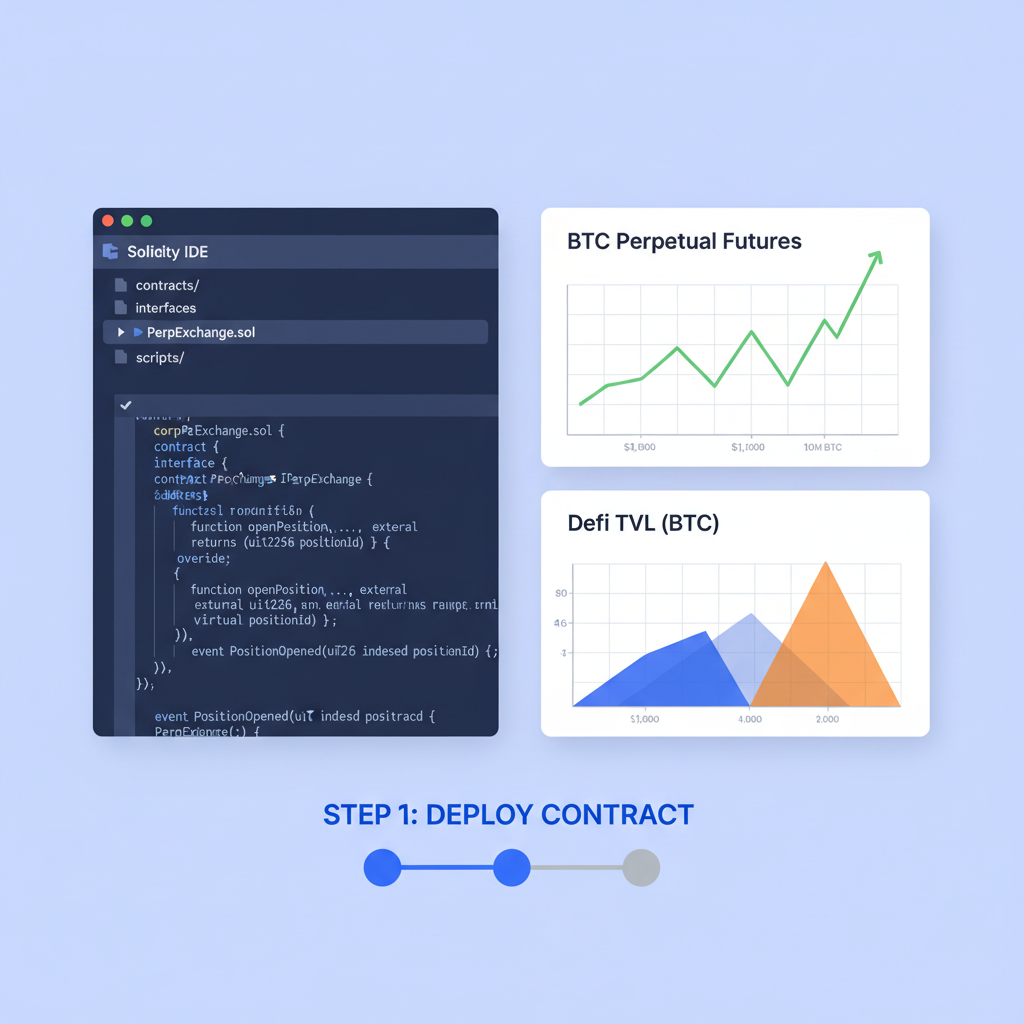
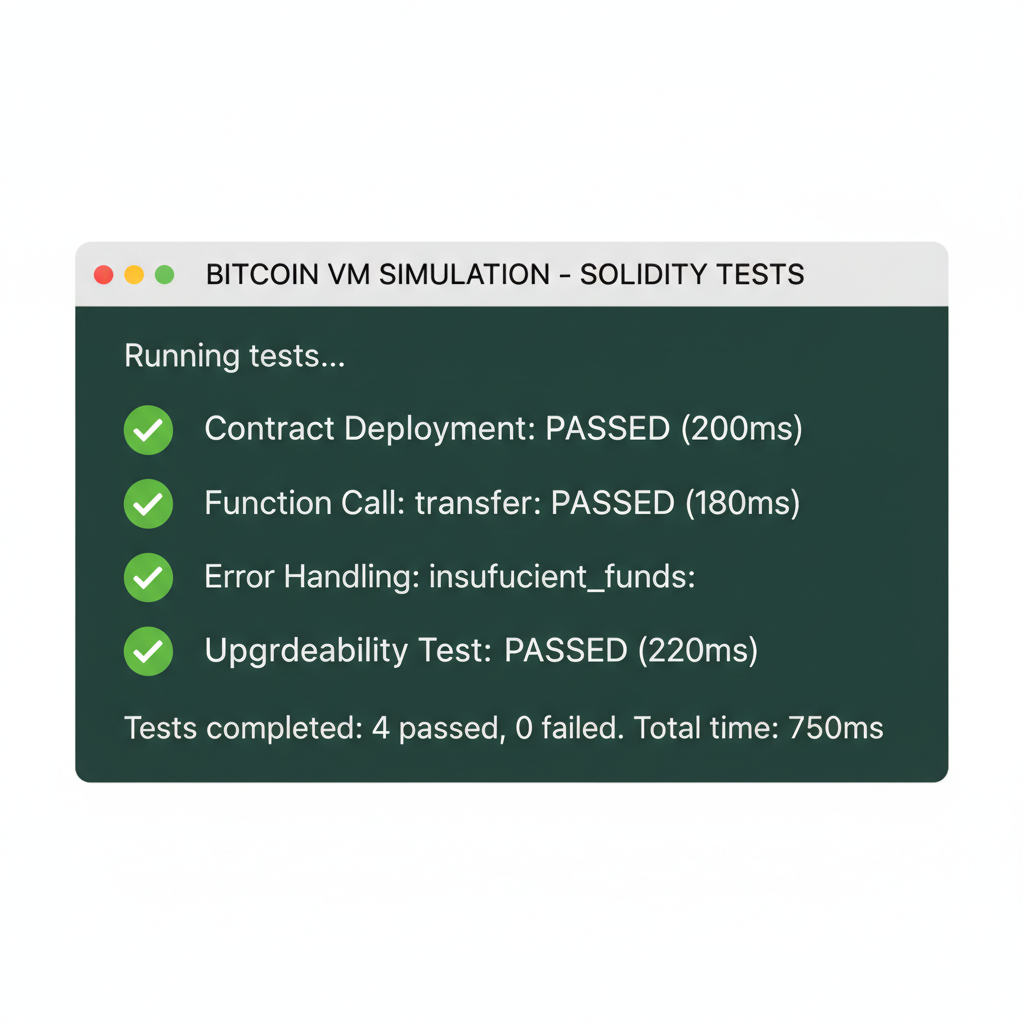

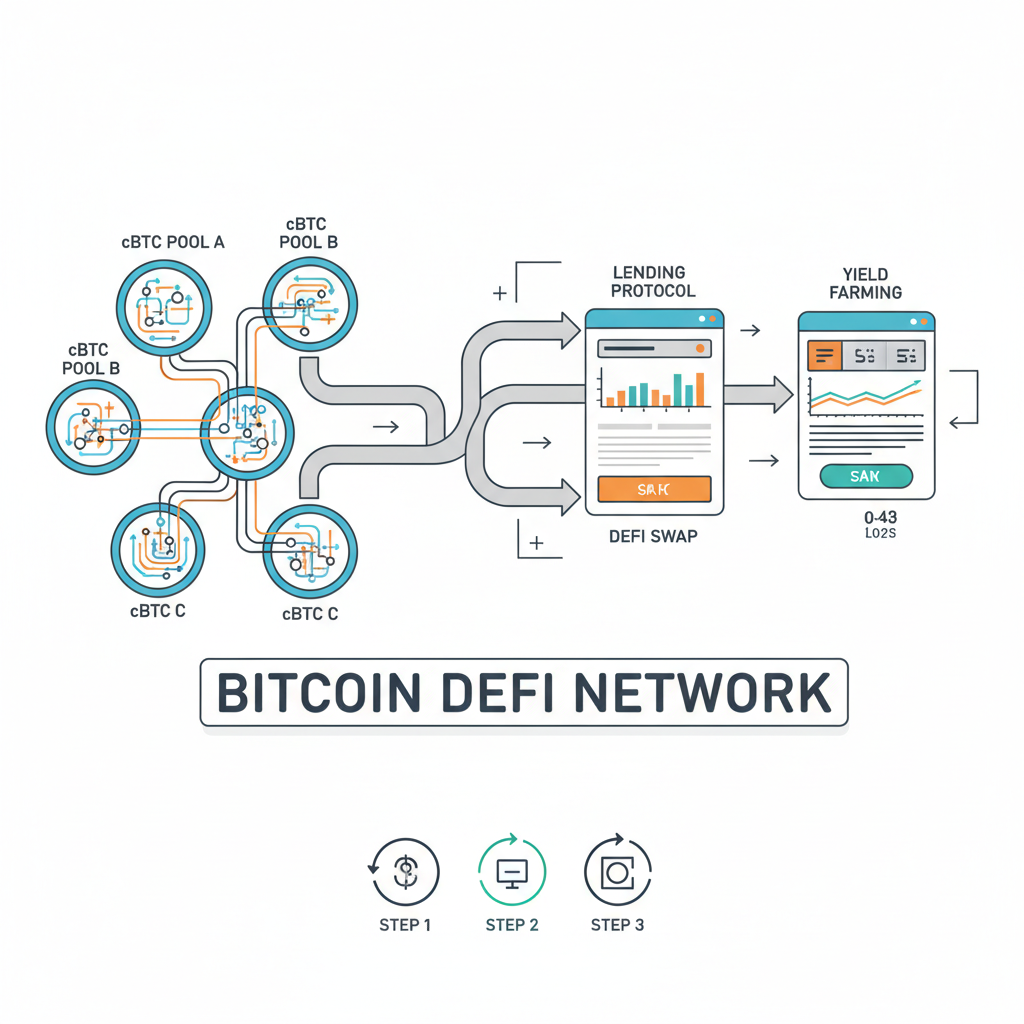
Risks persist, of course. Rollup centralization in sequencers demands decentralization roadmaps, and Bitcoin's ordinal frenzy could spike calldata costs. Yet Citrea's design mitigates this through adaptive batching, proving agile amid the 24-hour price uptick of and $1,550.00. Investors should monitor TVL inflows; surpassing $1 billion would cement its dominance in BTC scaling.

Strategic Portfolio Implications for BTC Holders
In my 18 years managing multi-asset portfolios, Bitcoin rollups represent the next convexity play. At $77,979.00, BTC's narrative evolves from digital gold to infrastructure king. Allocate 5-10% to Citrea ecosystem tokens or liquidity positions, balancing with core BTC holdings. This hedges against Ethereum's fee volatility while capturing DeFi alpha.
Citrea's mainnet isn't just tech; it's a liquidity unlock. With cBTC enabling collateralized loans and ctUSD powering stable yields, Bitcoin holders gain programmable upside without selling. Paired with BitcoinOS proofs, this duo accelerates adoption, potentially driving Bitcoin past $100,000 as on-chain finance matures.
Stakeholders from enthusiasts to institutions stand to benefit. Citrea resolves Bitcoin's trilemma - security, decentralization, scalability - via ZK ingenuity. Watch for integrations with wallets like Unisat or OKX, amplifying retail access. As block space debates evolve, rollups emerge as the consensus path forward, fortifying Bitcoin's throne in crypto's financial future.




No comments yet. Be the first to share your thoughts!